Biochar provides new recovery path for Helene
The North Carolina Department of Environmental Quality awarded $1 million for mobile biochar equipment to convert Hurricane Helene debris into a soil amendment for flood-damaged farmland in Haywood County.
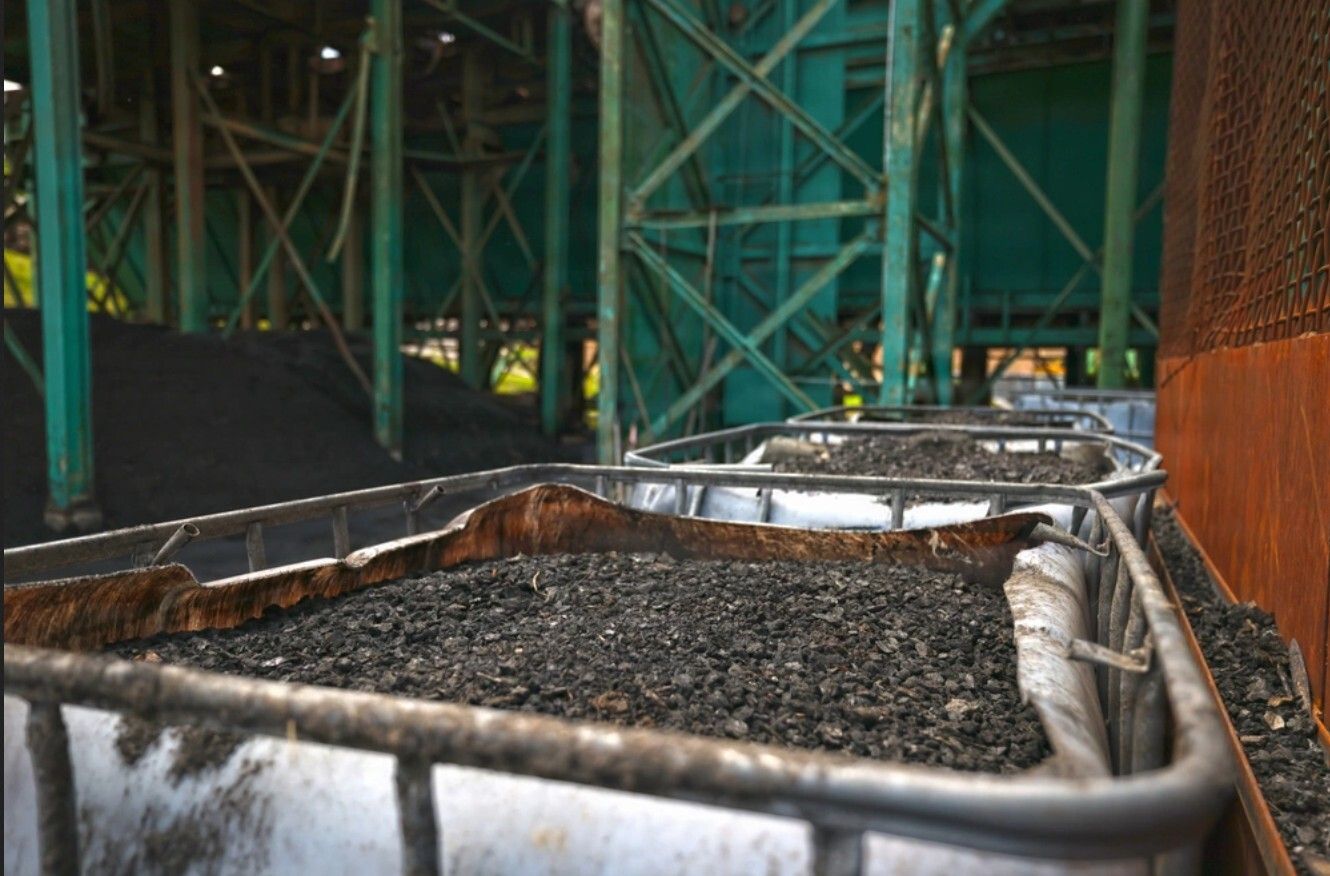
Biochar, a carbon-rich soil amendment, is emerging as a potential tool for recovery in western North Carolina following Hurricane Helene. Created by heating woody biomass in low-oxygen conditions, biochar offers a way to convert storm debris into a valuable resource. It can improve agricultural soils, reduce wildfire risks, and create new markets for forest products.
Forestry officials, however, caution that biochar is not a standalone solution to the region's timber challenges. It is part of a broader strategy to rebuild a sustainable forest economy after the hurricane and ongoing market disruptions. The timber market was already weakened by the closure of regional paper mills, such as the Canton mill, which significantly affected the pulpwood market.
The USDA Forest Service has partnered with researchers and landowners to explore biochar's potential in forest restoration and agriculture. Studies are underway to assess its impact on oak regeneration, soil restoration, and market creation for wood products. Several biochar operations and pilot projects are active in the region, including a significant effort in Haywood County.
In Haywood County, industrial equipment processes storm debris into biochar, reducing the volume of waste requiring disposal. John Fletcher, owner of Suncrest Mulch, highlights the project as a way to turn waste into a resource, benefiting local businesses and landowners. The initiative follows changes in the regional timber economy after the Canton mill's closure.
Federal researchers are testing mobile biochar production equipment, such as the CharBoss, which can process woody material closer to its source. The North Carolina Department of Environmental Quality has funded a pilot project to convert Hurricane Helene debris into biochar for use on flood-damaged farmland. This project is part of a larger investment in debris cleanup and agricultural recovery.
Community-based programs are also expanding access to biochar technology. Regional organizations support kiln loan programs, enabling farmers and landowners to produce biochar on a smaller scale. These initiatives allow rural communities to participate in recovery efforts while improving their own land.
Private investment is beginning to develop around biochar, with individuals like Blair Sheppard investing in biochar machines. Testing on farms has shown success, but the challenge remains scaling up production. Experts emphasize that biochar alone cannot absorb the region's entire supply of damaged wood, but it represents both a recovery tool and an economic opportunity for the region.
Source: Biochar Feed