Graphene enhances everyday plastic, review finds
Researchers at Khalifa University reviewed how graphene enhances high-density polyethylene (HDPE). They examined compounding techniques and found that graphene improves HDPE's thermal, electrical, and barrier properties when well-dispersed.
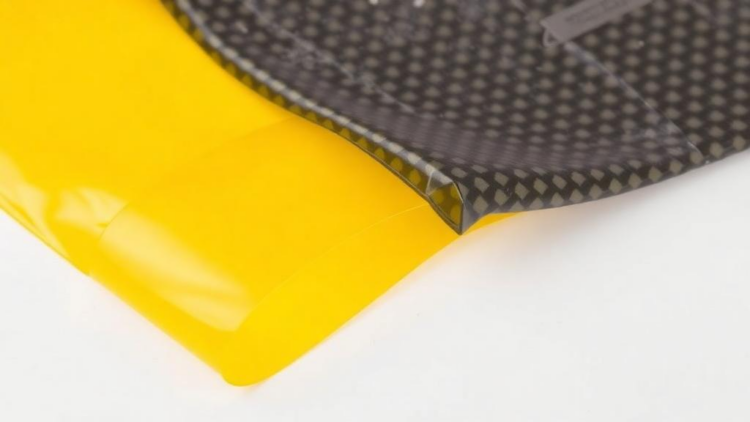
A recent review in Advanced Composites and Hybrid Materials highlights the transformative potential of graphene in enhancing high-density polyethylene (HDPE). This ubiquitous plastic, found in products from milk jugs to industrial components, could see significant improvements in thermal and electrical conductivity, mechanical strength, and barrier properties when combined with graphene. The study, led by Mohammed Ayaz Uddin and colleagues at Khalifa University, examines the processing techniques that influence the performance of HDPE-graphene nanocomposites.
Graphene's exceptional properties, such as high thermal conductivity and mechanical stiffness, make it an ideal additive for HDPE. The review details how small amounts of well-dispersed graphene can reinforce the polymer matrix, improving load transfer and creating conductive networks for heat and electricity. However, the benefits are contingent on effective integration of graphene into the polymer, emphasizing the importance of the interface between the two materials.
The review critically compares three methods for compounding graphene with HDPE: melt mixing, solution blending, and in situ polymerization. Melt mixing is commercially appealing but struggles with graphene dispersion. Solution blending offers better dispersion but is less scalable. In situ polymerization provides intimate contact between graphene and polyethylene but is more complex. Each method affects the microstructure and properties of the final composite differently.
Mechanical enhancements are notable when graphene is well dispersed, with increases in stiffness and tensile strength due to efficient stress transfer. Thermal performance also improves significantly, with graphene networks boosting thermal conductivity and stability. Electrical properties can be tailored by adjusting graphene concentration, enabling applications in antistatic packaging and electromagnetic interference shielding.
Graphene's impact on barrier properties is substantial, creating a tortuous path for gas molecules and enhancing the material's impermeability. This is crucial for packaging and piping applications. The review also notes rheological changes, which can affect processing but offer advantages in melt strength.
The potential applications for graphene-enhanced HDPE are extensive, spanning packaging, infrastructure, automotive, and electronics. However, challenges remain, particularly in achieving uniform dispersion and addressing cost and scalability issues. The review calls for further research into scalable production and multifunctional designs, suggesting that graphene could significantly upgrade HDPE's capabilities if these challenges are overcome.
Source: Graphene Feed