Coffee waste could replace foam home insulation, study finds
Researchers in South Korea have developed an insulation material from spent coffee grounds that performs comparably to Styrofoam. The material is biodegradable and uses a plant-based binder.
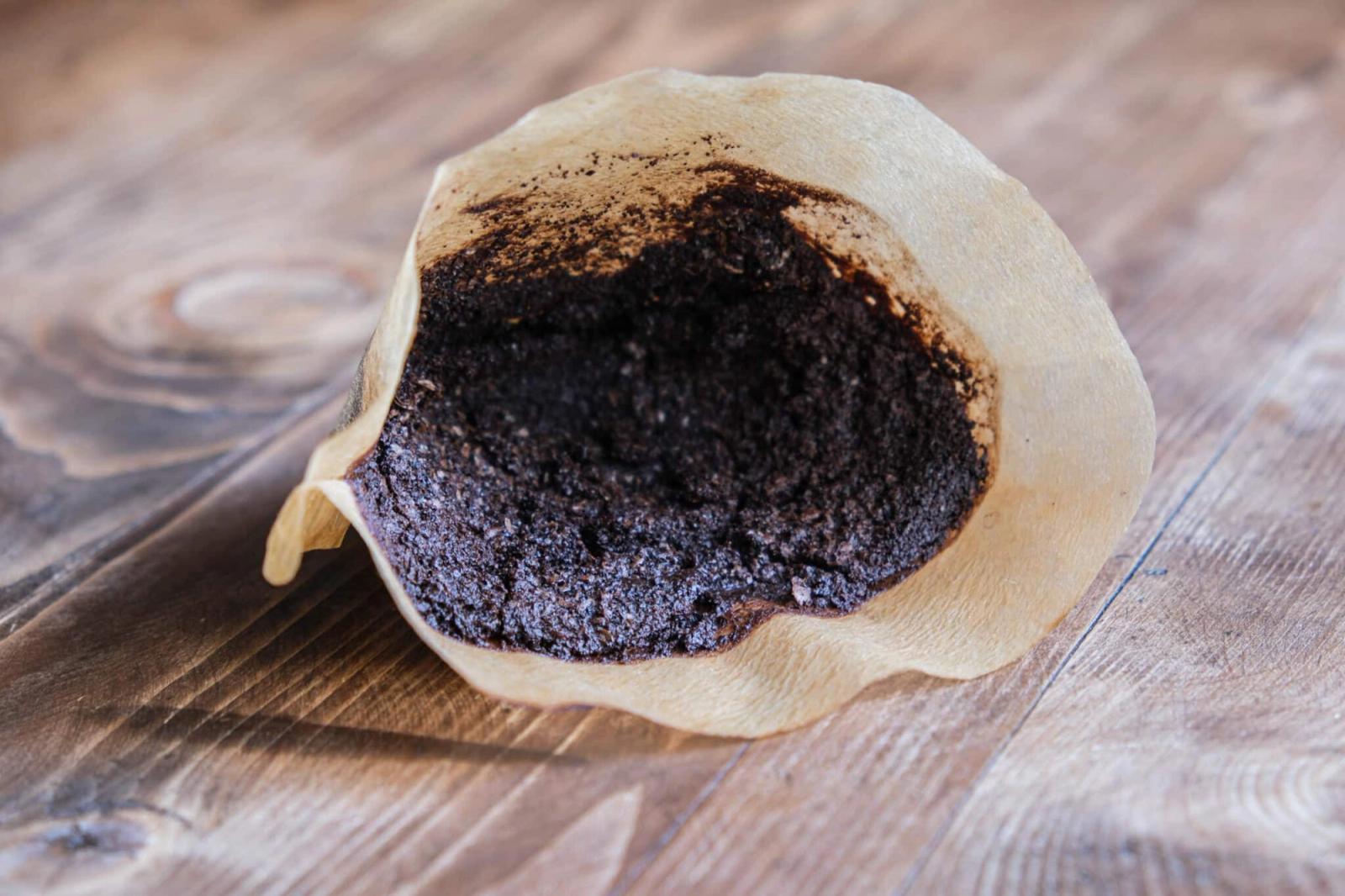
Researchers at Jeonbuk National University in South Korea have developed a method to transform spent coffee grounds into a carbon-rich, lightweight insulation material. This innovative approach involves converting the grounds into a highly porous charcoal, which is then pressed into boards using a plant-based binder. The resulting material demonstrates thermal insulation properties comparable to Styrofoam, a common foam insulator, but with the added benefit of biodegradability.
The study, published in the journal Biochar, details the process of converting coffee grounds into charcoal by heating them at temperatures between 500 and 900 degrees Celsius. At 700 degrees, the charcoal achieved an optimal structure with 71 percent empty space, enhancing its insulating properties by scattering heat rather than conducting it. The research highlights the potential of this coffee-based insulation as a sustainable alternative, especially in light of recent European regulations limiting chemicals in polystyrene production.
To create the insulation boards, the researchers used a biodegradable binder and pre-soaked the charcoal in propylene glycol to maintain the material's porosity. This method prevented the binder from clogging the pores, ensuring the insulation's effectiveness. The boards, containing 25 percent charcoal by weight, demonstrated a significant reduction in thermal conductivity compared to the binder alone.
The practical application of this material was tested in a scaled-down rooftop solar setup, where it performed on par with commercial foam insulation. Additionally, the coffee-based boards decomposed more rapidly than their binder alone, suggesting improved environmental benefits. According to British recycling company Bio-bean, reusing coffee grounds could reduce landfill carbon dioxide emissions by approximately 80 percent.
While promising, the study acknowledges that further research is needed to assess the scalability and durability of these boards for construction use. The current findings are based on small lab samples, and factors such as strength, moisture resistance, and fire safety at a larger scale remain unaddressed. Nonetheless, this research presents a valuable step towards utilizing waste coffee grounds for sustainable insulation solutions.
Source: Biochar Feed