ARIA funds perovskite-CFRP solar cells for stratospheric aircraft
ARIA is funding the development of perovskite-carbon fiber-reinforced polymer solar cells for use in stratospheric aircraft.
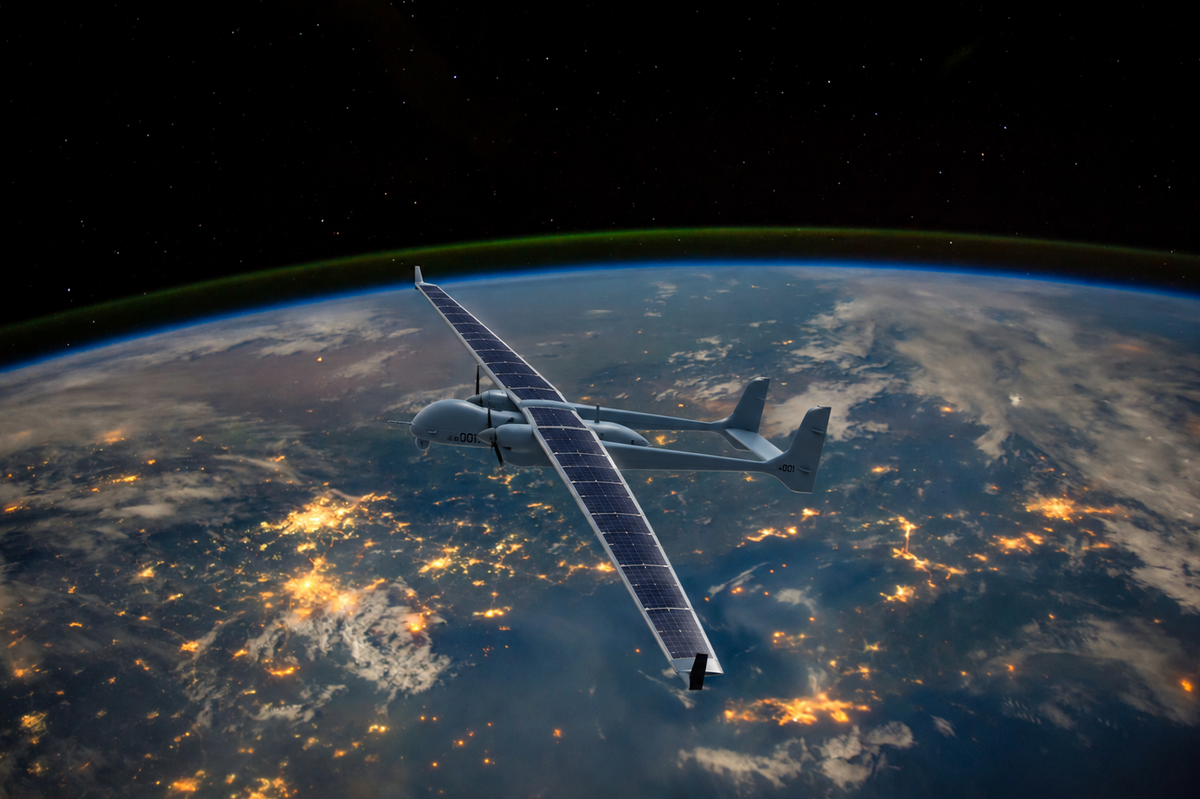
The Advanced Research + Invention Agency (ARIA) is funding the development of aircraft capable of sustained stratospheric operation, with a focus on integrating perovskite photovoltaics onto carbon fiber-reinforced polymer (CFRP) substrates. This initiative, part of ARIA's Enduring Atmospheric Platforms program, aims to create aircraft that can continuously supply power to communications payloads while maintaining position above the U.K.
ARIA has allocated £70 million to support 18 engineering teams in this endeavor. The Structural Solar project, led by David G. Lidzey from the University of Sheffield, is a key participant. This project seeks to integrate spray-cast perovskite solar cells (PSCs) onto CFRP substrates, offering a potential tenfold increase in photovoltaic efficiency per unit mass compared to traditional technologies.
The Structural Solar team includes members from AMRC Sheffield, Limosaero, and the University of Loughborough. Their approach involves using low-temperature, solution-processed materials to create lightweight, multifunctional structures that combine mechanical strength with energy-harvesting capabilities. This method aims to reduce costs and improve the performance of high-altitude pseudo-satellite (HAPS) aircraft.
Lidzey's previous research demonstrated the feasibility of spray-coating perovskite cells onto CFRP, achieving efficiencies of about 14%. The integration of power generation into the structural skin of aircraft eliminates the need for separate photovoltaic layers, enhancing endurance and efficiency.
Rico Chandra, program director for Enduring Atmospheric Platforms at ARIA, notes that the agency is supporting a variety of innovative aircraft designs, including those with unconventional propulsion methods. Sixteen of the funded teams are based in the U.K., with two additional teams relocating from Australia and the U.S. to participate in the program.
Source: Carbon Fiber Feed