Biomimetic carbon nitride nanoparticles enable light-controlled therapy
Researchers have developed a biomimetic nanoparticle platform using graphitic carbon nitride to control light for potential therapeutic applications.
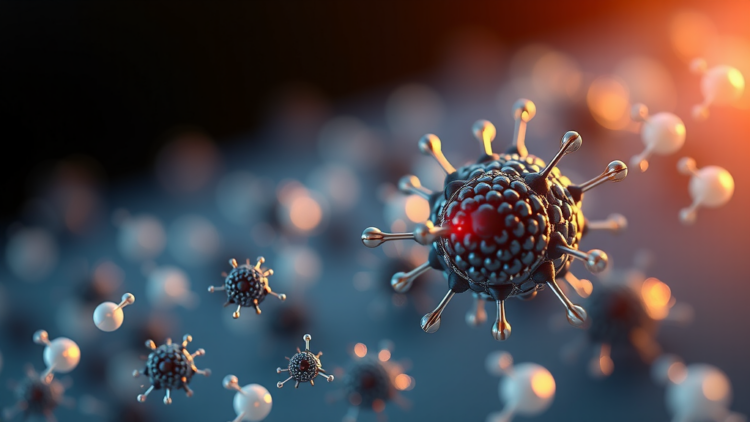
Researchers have developed a biomimetic nanoparticle platform using graphitic carbon nitride to enable light-controlled therapeutic interventions across various biological scales. Published in Nature Biomedical Engineering, the study highlights how cell-membrane-coated nanoparticles made from this metal-free polymeric semiconductor can interact with biological systems more effectively than traditional inorganic nanomaterials. This advancement offers a potential pathway toward safer, light-activated treatments for diseases such as cancer and chronic inflammatory conditions.
Graphitic carbon nitride, or g-C3N4, is a two-dimensional polymeric material composed of carbon and nitrogen. It is known for its visible light absorption, chemical robustness, and lack of heavy metals, making it attractive for photocatalysis and biomedical applications. However, bare carbon nitride particles face challenges in clinical settings due to immune system recognition, aggregation in physiological conditions, and lack of targeting affinity for diseased tissues.
The study overcomes these limitations by employing a biomimetic coating strategy, wrapping the nanoparticles in natural cell membranes. This approach disguises the graphitic carbon nitride nanoparticles, allowing them to evade immune clearance, navigate the blood's protein environment, and preferentially accumulate at target sites like tumors or inflamed tissues. This method mimics the survival tactics of pathogens and circulating tumor cells, transforming a biological strategy into an engineering tool.
The platform's defining feature, multiscale photomodulation, is achieved through the photoexcitation of graphitic carbon nitride, which generates electron-hole pairs that produce reactive oxygen species. These reactive species can damage cancer cell components, triggering cell death pathways. At larger scales, the particles' light absorption properties can be used for imaging, localized heating, and modulating biological processes such as inflammation.
Photodynamic therapy, a key application, involves photosensitizers that produce cytotoxic reactive species upon light activation. Conventional photosensitizers often suffer from poor solubility and off-target toxicity. Graphitic carbon nitride nanoparticles provide an alternative with strong photocatalytic activity, high photostability, and a metal-free composition. The biomimetic coating enhances targeting, improving the therapeutic window by concentrating the photosensitizer where needed.
The platform's versatility extends beyond tumor ablation, offering potential in antimicrobial treatments and immune modulation. The biomimetic coating stabilizes the nanoparticles in physiological conditions, preventing aggregation and prolonging circulation time. This stability allows the particles to exploit biological homing mechanisms, improving disease site targeting.
This study reflects a shift in integrating synthetic materials with biological systems. The biomimetic approach combines the semiconductor core's optical functions with the biological shell's systemic functions. This design philosophy could be applied to other two-dimensional materials facing similar biomedical challenges.
Safety remains a critical consideration for clinical use. The metal-free nature of graphitic carbon nitride offers an advantage over materials like quantum dots, which raise toxicity concerns. While biodegradability and clearance require further study, the material's composition alleviates some toxicity issues.
The authors view this platform as a foundation for future developments, suggesting potential combinations with complementary light sources and therapeutic modalities. As biomimetic nanomaterials evolve, graphitic carbon nitride nanoparticles may bridge the gap between materials science and medicine.
Source: Graphite Feed