News16 September 2026
COnovate Wins $1.25M DOE Contract to Scale U.S. Graphite-Alternative Anode Production
GraphiteBatteries
24 articles on Graphite.
Development contract advances domestic eCOphite™ anode production to improve battery performance and strengthen critical-material supply chains

NOVONIX received testing results from a lead customer for its synthetic graphite anode qualification sample.

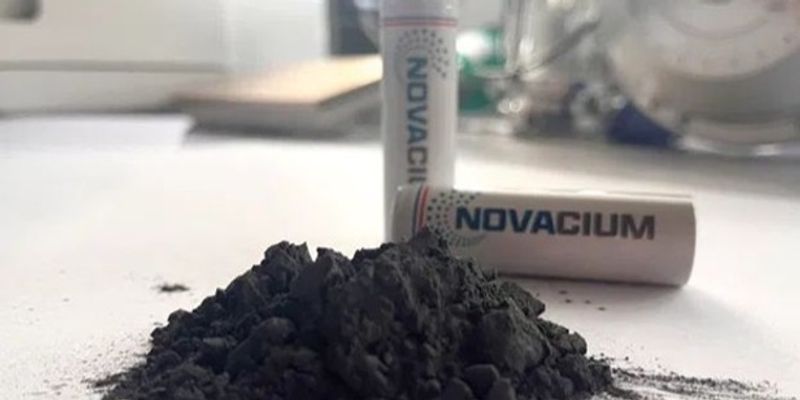
Novacium and Tokai COBEX are collaborating to evaluate a silicon and synthetic graphite anode material solution in France, aiming to enhance lithium-ion cell energy capacity.
Total Graphite plc has hired Lycopodium Minerals Africa to update the Montepuez Graphite Project's feasibility study in Mozambique. Initial results are expected by November 2026.

NOVONIX provided a mass-production qualification C-sample of synthetic graphite anode material to Panasonic Energy in June 2026.

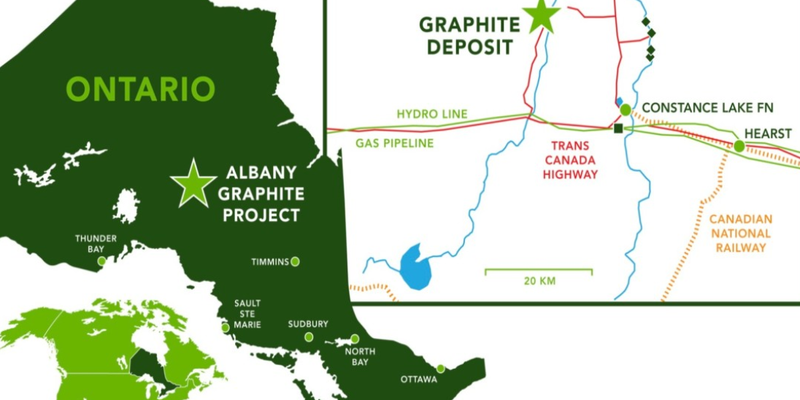
The Albany graphite deposit in Northern Ontario holds 23.1 million indicated tonnes with 4.14% graphitic carbon, suggesting over 30 years of mining potential.
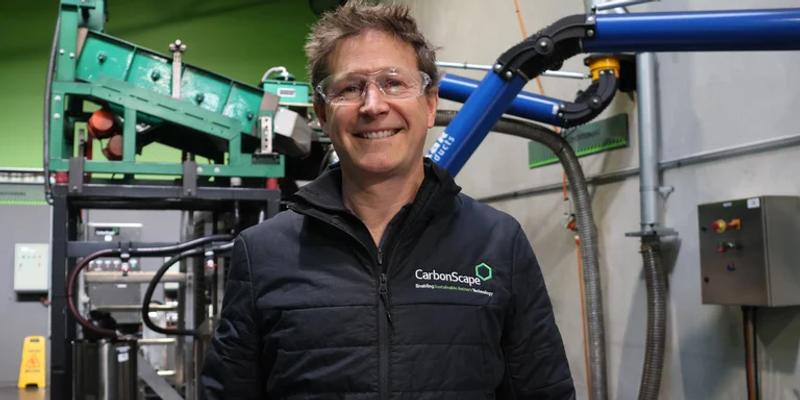
CarbonScape produces high-quality synthetic graphite by recycling materials, reducing reliance on fossil fuels for green energy components.
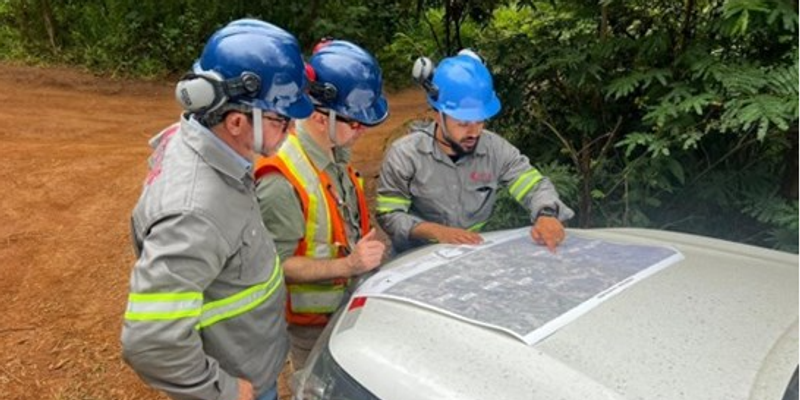
Atlas Critical Minerals Corp. reported 100% success in intersecting graphite mineralization across 20 drill holes in its Minas Gerais, Brazil project, with notable high-grade intervals confirmed by SGS Geosol.
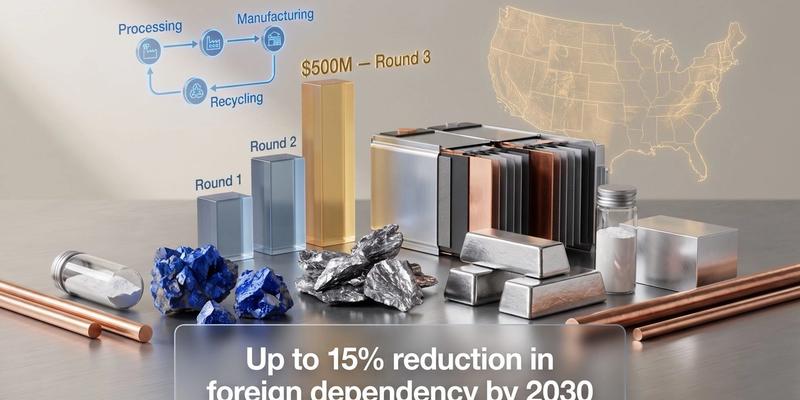
The U.S. Department of Energy has allocated $500 million to strengthen domestic processing and manufacturing of critical battery materials, aiming to reduce foreign supply chain reliance by 15% by 2030.
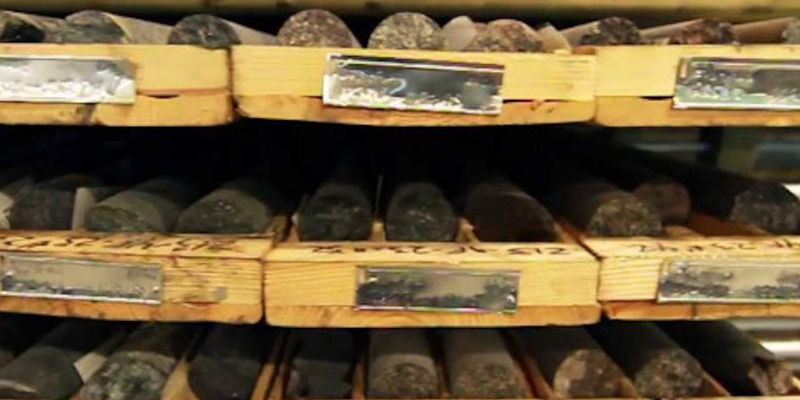
Asbury Advanced Materials has completed its acquisition of Graphit Kropfmühl, enhancing its capabilities in mining, processing, and application development of engineered carbon materials.
Zentek plans to release an economic study this summer for its graphite deposit near Hearst, Ontario.
Graphite One plans to generate early revenue by finishing and blending synthetic graphite at its Ohio plant, targeting an annual capacity of 10,000 tonnes.
Abasca Resources has increased the Loki graphite resource in Saskatchewan to 6.99 million tonnes with 8.27% graphitic carbon, targeting a prefeasibility study by late 2026.
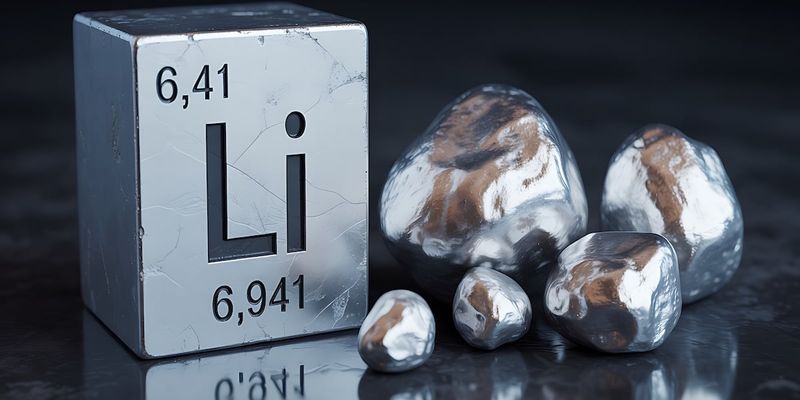
Abasca has expanded its Loki graphite resource in Saskatchewan to include 6.99 million indicated tonnes grading 8.27% graphitic carbon, equating to 580,000 tonnes of contained metal. This expansion enhances the supply potential of graphite, a key material for batteries and other advanced carbon applications.

Graphite One has selected an engineering firm to procure equipment for synthetic graphite battery anode manufacturing at its Ohio production facility, aiming for completion by 2028. This development is significant for the synthetic graphite sector, as it supports the growing demand for battery anodes in electric vehicles.
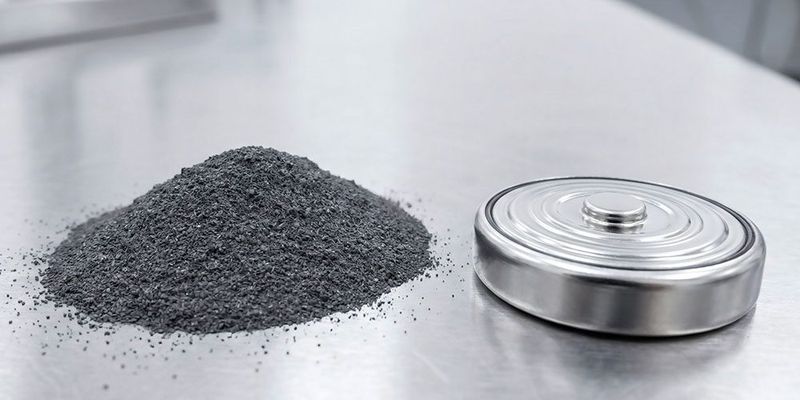
Hina Battery is establishing a 2 GWh sodium-ion battery production line in Wuhan to support commercial transport and cargo operations along the Yangtze River. This development is significant as it leverages local carbon resources to reduce reliance on imported lithium, ensuring stable battery supply for heavy-duty vehicles.
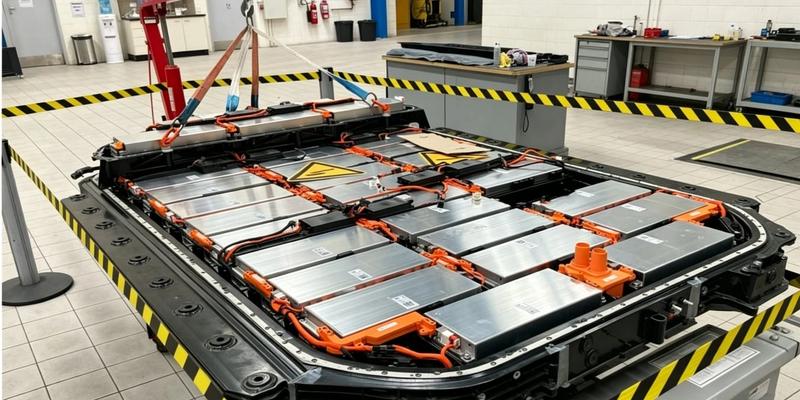
Posco Future M has announced its growth strategy in battery materials, emphasizing the development and supply of anode materials like synthetic graphite. This focus on synthetic graphite is crucial as it plays a key role in enhancing the performance and efficiency of lithium-ion batteries used in various applications.

The article discusses the differences between artificial graphite, made from carbon sources like petroleum coke, and natural graphite, focusing on their applications in the lithium-ion battery industry. Understanding these differences is crucial for battery manufacturers as they select materials that optimize performance, cost, and sustainability in battery production.
Graphite One is targeting 25,000 tonnes per year of domestic synthetic graphite production by the fourth quarter of 2028. This development is significant for the synthetic graphite sector, potentially enhancing supply for battery and energy storage applications.
India has launched the National Critical Mineral Mission with a budget of 343 billion rupees to boost domestic graphite mining and reduce import dependency by 2031. This initiative is crucial for securing a stable supply of graphite, an essential material for electric vehicle batteries and other clean energy technologies, as India aims to meet its ambitious climate goals.
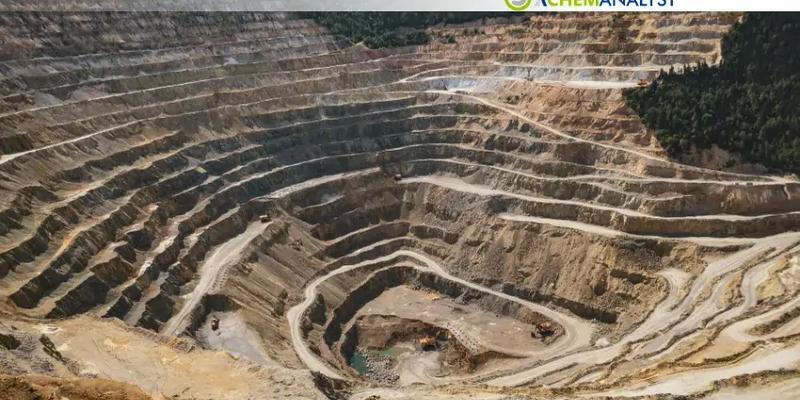
ACP Technologies has opened a new pilot facility in Ashland capable of producing 75 pounds of synthetic graphite per hour. This development is significant for the carbon fiber and synthetic graphite sectors, as it enhances production capacity and supports material scaling efforts.
The Morning reports that India's new mineral policy includes guidelines for the treatment and potential sale of effluent generated during the production of reduced graphene oxide. This development could impact the graphene industry by providing a framework for managing waste and potentially creating additional revenue streams from effluent sales.
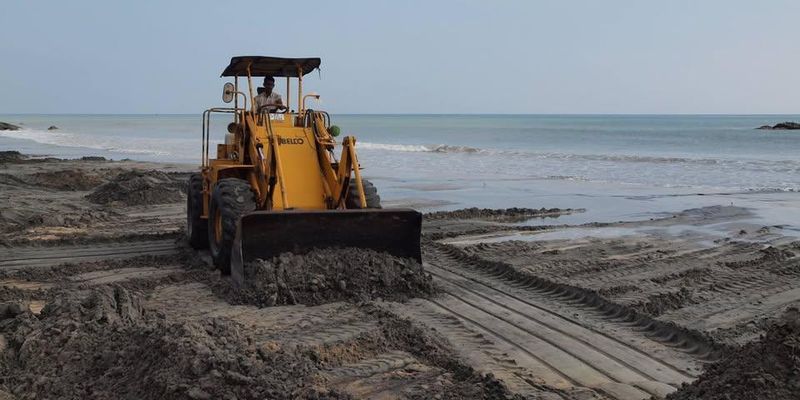
A hybrid electrode pairing VS2 nanosheets with porous graphitic carbon nitride nanotubes speeds charge transport, improving the rate performance of solid-state supercapacitors.
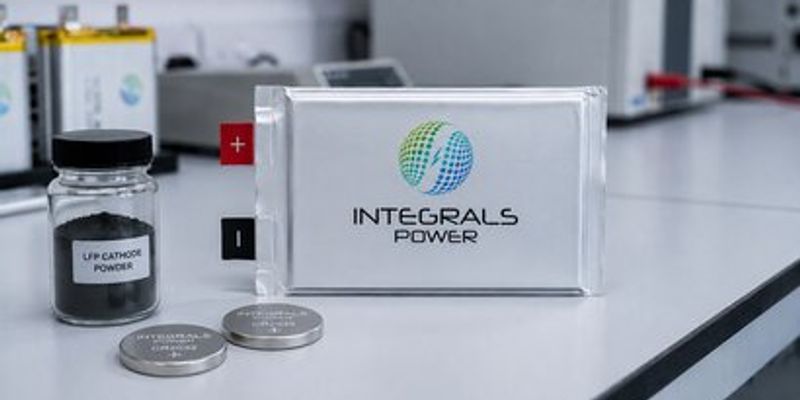
Integrals Power has been selected as the LMFP supplier for the EU-funded OLiMPUS battery project, which aims for mass production in Europe by 2032. This development is significant for the advanced carbon materials sector as it involves synthetic graphite anodes, which are crucial for reducing the carbon footprint and enhancing the sustainability of battery production.