BRIN Turns Palm Oil Waste Into Renewable Energy
BRIN's Molecular Chemistry Research Center used slow pyrolysis to convert empty oil palm fruit bunch waste into bio-oil, liquid smoke, and biochar, with processing times of two to four hours. The process yields biochar as a value-added carbon material and bio-oil containing phenolic compounds usable as industrial boiler fuel or potential fuel additives.
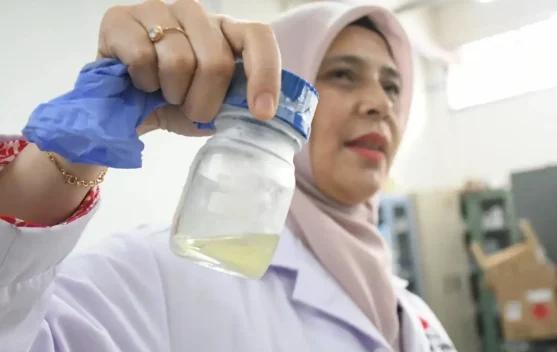
Indonesia, a leading palm oil producer, faces environmental challenges due to the accumulation of empty oil palm fruit bunch waste. The National Research and Innovation Agency (BRIN) is addressing this issue by using pyrolysis technology to convert the waste into valuable products, showcasing the potential of agricultural waste transformation.
Dieni Mansur, head of the biomass oil pyrolysis research team at BRIN's Molecular Chemistry Research Center, emphasized the importance of utilizing biomass waste for energy and bio-based chemicals. This initiative aims to reduce Indonesia's reliance on fossil fuels by supporting fuel diversification.
The pyrolysis process, which can be conducted through slow, fast, and very fast heating methods, is currently performed by BRIN using slow pyrolysis. This method processes the waste over two to four hours, producing liquid smoke, biomass oil or bio-oil, and bio-char. Liquid smoke has various applications, including use as a natural coating for extending fruit shelf life and as a potential material for wound healing films.
Biomass oil and liquid smoke derived from the pyrolysis process contain organic compounds such as phenol, acetic acid, ketones, and methanol. These compounds are valuable for various industrial applications. While biomass oil from palm waste is currently used as fuel for industrial boilers, it holds potential as an additive for liquid fuels like gasoline.
These research findings are significant for agricultural waste management and renewable energy availability. By converting waste into economically valuable products, BRIN's work supports the circular economy, promoting efficient and sustainable resource use. The development of biomass pyrolysis technology highlights the strategic potential of agricultural waste in enhancing national energy resilience and advancing a sustainable economy.
Source: Biochar Feed