Building Better with Advanced Carbons
The Advanced Carbons Council published an overview of graphene and other advanced carbon materials being adopted in construction, citing applications in concrete (Concretene, First Graphene, Versarien), asphalt, and corrosion-resistant coatings (Petronas). These developments indicate growing commercial deployment of graphene additives in construction materials, with documented performance gains in compressive strength, road durability, and steel protection at low material loadings.
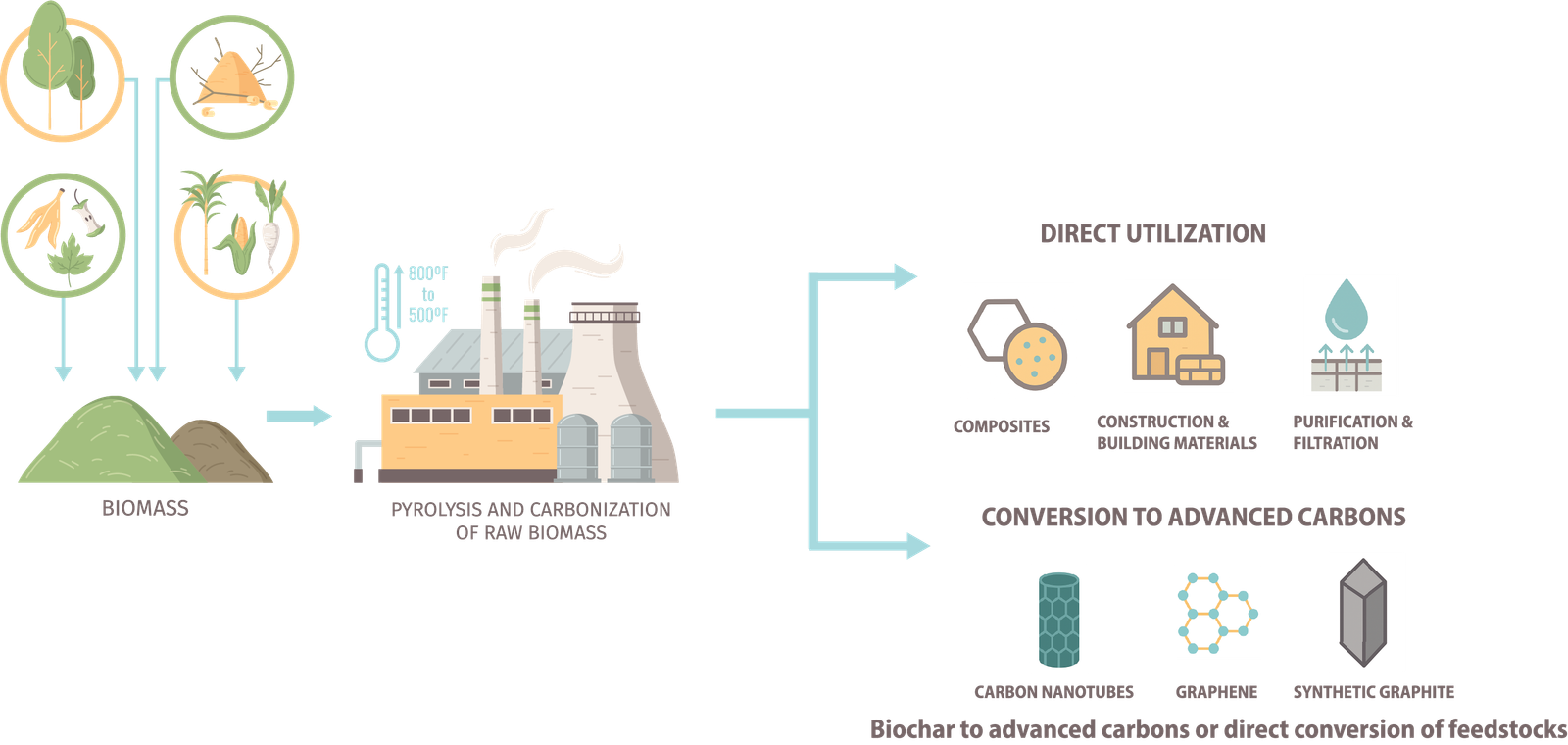
The construction industry is under pressure. Aging infrastructure, rising material costs, stricter environmental targets, and increasing demand for durable, low-carbon buildings are driving the need for smarter material solutions. A revolution in building materials is underway, fueled by the need for stronger, more sustainable, and longer-lasting infrastructure. At the heart of this transformation are advanced carbon materials, with graphene leading the charge. Once confined to lab-scale breakthroughs, graphene is now being deployed in real-world construction projects, supported by validated supply chains and growing industry confidence.
The Advanced Carbons Council (ACC), managed by the same expert team that established The Graphene Council, now represents a broader class of engineered carbon materials. While graphene remains a key focus, the Council’s expanded scope includes carbon nanotubes, carbon black, activated carbon, and other advanced carbon structures. These materials offer distinct properties but demonstrate greater value when used in synergy, delivering tailored performance across applications. The construction sector has emerged as a leading area of adoption, where advanced carbons are being used to enhance concrete durability, extend the life of road surfaces, and protect steel structures from corrosion.
Graphene’s exceptional strength, conductivity, and impermeability make it a powerful additive in construction materials, even at low loadings. In concrete, graphene-enhanced mixes such as Concretene have demonstrated improved compressive strength, faster curing, and reduced water permeability. Concretene has trialled their graphene admixture with the support of Cemex which enables lower cement content, contributing to reduced carbon emissions. Versarien has developed 3D-printed graphene-reinforced concrete components, combining design flexibility with enhanced mechanical performance. First Graphene has commercialised a graphene additive that improves workability, strength, and durability of concrete. In asphalt, graphene increases flexibility and resistance to rutting and cracking, extending road life under heavy traffic and harsh climates. In coatings, graphene provides a highly effective barrier against corrosion. Petronas has developed a graphene-based protective coating used on offshore drilling platforms, where it helps shield steel structures from aggressive marine environments. These materials support the construction sector’s drive for sustainability and durability without major changes to standard processes.
As the global hub for carbon-based materials, the ACC provides verified data, regulatory guidance, and access to qualified suppliers. We connect construction stakeholders with vetted partners who understand the importance of consistency, safety, and scale. To explore how advanced carbons can strengthen your projects, visit advmat.org or contact the ACC to join our growing network of innovators and material providers. With the right materials and the right partners, the future of construction is already being built stronger, faster, and cleaner.

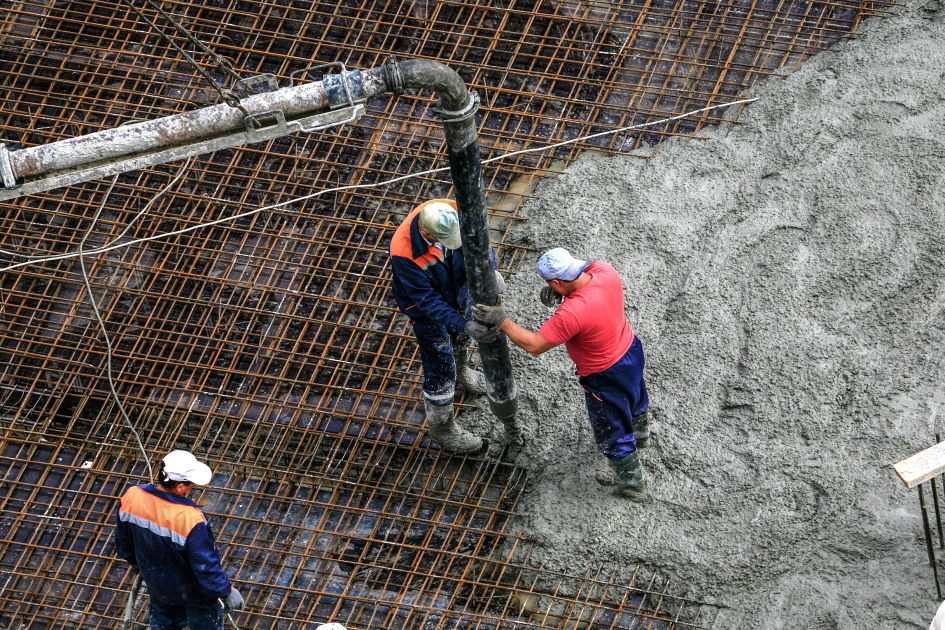
Figure Graphene-enhanced concrete. Image courtesy of First Graphene

Dr Chirag Ratwani is a materials scientist specializing in the integration of nanomaterials into composites, with a strong focus on 2D materials like graphene for smart materials and structural applications. He holds an MSc in Advanced Chemical Engineering from the University of Manchester and a PhD in Materials Science from Bournemouth University. His work emphasizes the commercialization and scale-up of advanced material technologies, and he has led multiple industry-focused projects. He has consulted on national strategies for advanced materials and leads the international task forces aimed at health and safety compliance and standards development for graphene.

Terrance Barkan is the Executive Director at The Graphene Council.