Does the new mineral policy address industry concerns?
The Morning reports that India's new mineral policy includes guidelines for the treatment and potential sale of effluent generated during the production of reduced graphene oxide. This development could impact the graphene industry by providing a framework for managing waste and potentially creating additional revenue streams from effluent sales.
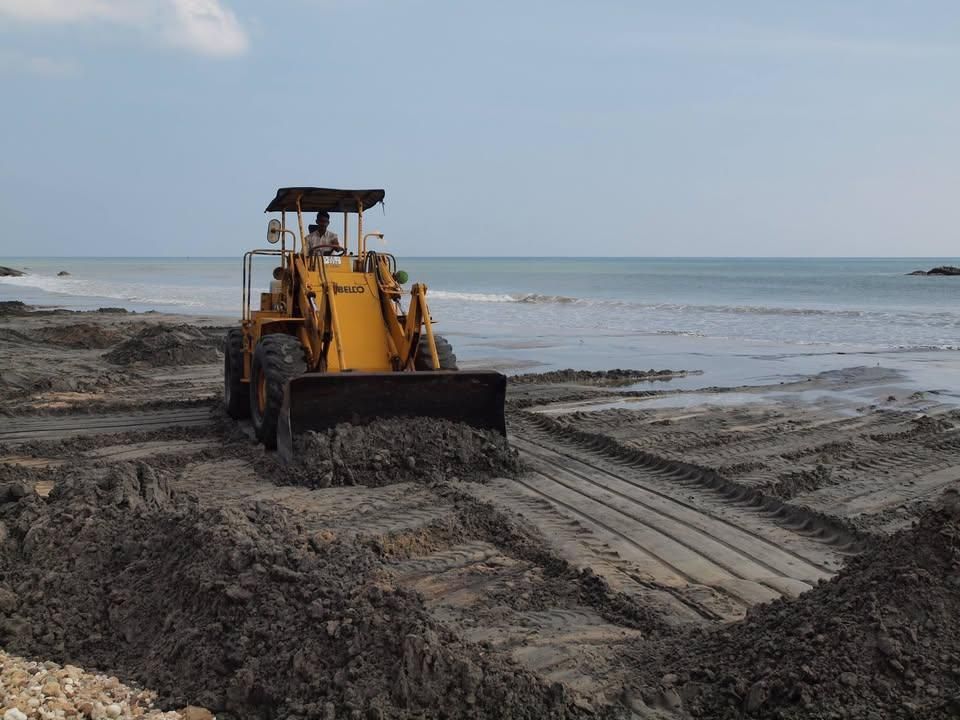
Sri Lanka's mineral sector, known for its export and industrial potential, has faced challenges such as regulatory delays and policy uncertainty. The Government's introduction of the National Mineral Policy 2026 aims to address these issues by providing a framework focused on sustainable resource management, value addition, and regulatory reforms.
The policy outlines seven key objectives, including the creation of a national inventory of mineral resources and promoting value-added exports. It also emphasizes balancing environmental protection with economic development and improving the regulatory framework to be more investment-friendly.
Geological Survey and Mines Bureau (GSMB) Chairman J.M.S.N. Jayasinghe highlighted changes in the allocation of mineral resources like graphite and mineral sands, which will now involve Expressions of Interest (EOIs) instead of a first-come, first-served basis. This aims to streamline the process by securing necessary clearances before offering sites to investors.
Chamber of Mineral Exporters (CME) Chairman A.F.M. Farook welcomed the policy but noted concerns about the lack of consultation during the final amendments. He emphasized that the policy's success depends on forthcoming Standard Operating Procedures (SOPs) and regulations.
Damsila Resources Ltd. Director and CME Secretary Dr. Sandun Dalpatadu expressed optimism about the policy's potential to reduce regulatory bottlenecks and improve institutional efficiency. He also supported the focus on Government-led mineral surveys to better understand Sri Lanka's resources.
Bogala Graphite Lanka PLC CEO Amila Jayasinghe noted the importance of stakeholder involvement in policy implementation, especially regarding value addition in the graphite industry. He highlighted environmental and operational challenges, such as higher production costs and waste management issues, that need consideration.
Jayasinghe emphasized the need for resolving issues faced by foreign investors whose projects have stalled due to pending approvals. He stressed that addressing these concerns is crucial for attracting future investment in the sector.
Source: Graphene Feed