Eucalyptus wood waste biochar removes 139.2 mg/g of aluminum
Researchers converted eucalyptus wood waste into biochar, achieving an aluminum adsorption capacity of 139.2 mg/g. The biochar retained 78% capacity after five reuse cycles, highlighting its durability.
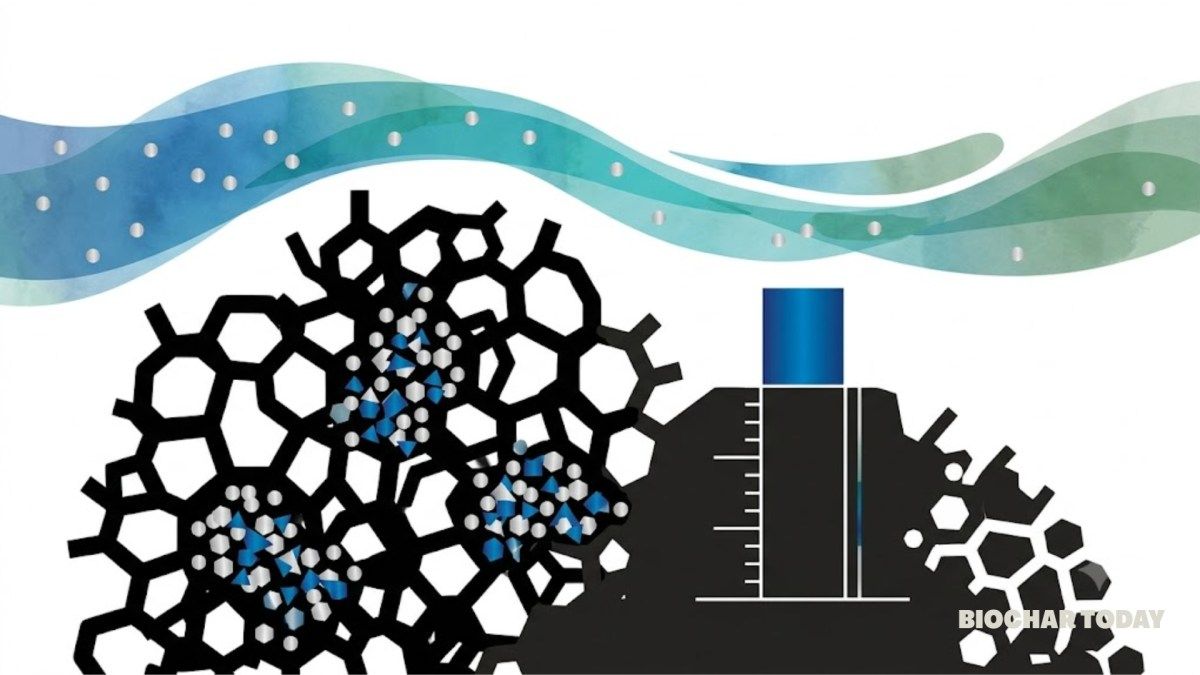
A study published in Reaction Kinetics, Mechanisms and Catalysis by Ahmed Salim and colleagues highlights the use of biochar derived from eucalyptus wood waste for aluminum removal from water systems. This biochar captures 139.2 milligrams of aluminum per gram, achieving an 88 percent removal rate while maintaining 78 percent capacity after five reuse cycles.
The research team, including Maha Adel, Oumaima Mjahed, El mehdi El Handaoui, Mohamed Bennar, Amina Alaoui, Abderrahim Jrifi, Mohamed Tahiri, and Omar Tanane, focused on addressing aluminum contamination in water supplies, which poses environmental and health risks. They converted eucalyptus wood waste into a porous biochar, which is a carbon-rich material effective in environmental remediation. The biochar's mesoporous structure, with a pore size of 3.82 nanometers and a surface area of 18.37 square meters per gram, facilitates rapid aluminum ion diffusion.
Spectroscopic analysis showed that the biochar surface is rich in functional groups like hydroxyl, carboxyl, and carbonyl, which enhance its binding capacity with aluminum ions. The biochar absorbed 80 percent of aluminum within 30 minutes, reaching equilibrium in 90 minutes, making it suitable for continuous water purification systems. The optimal removal efficiency was observed at a pH level of 5.0, with a dosage of 0.3 grams per liter achieving 88 percent removal efficiency.
The biochar's adsorption process aligns with monolayer chemical adsorption, achieving a theoretical capacity of 139.2 milligrams per gram and an experimental capacity of 142 milligrams per gram. This performance surpasses conventional materials like activated carbon and synthetic resins, which typically have lower capacities.
Thermodynamic evaluations indicated that the biochar-aluminum interaction is spontaneous and exothermic, with lower temperatures favoring higher adsorption capacities. The eucalyptus biochar also demonstrated strong recyclability, retaining 78 percent of its removal capacity after five cycles, making it a sustainable option for industrial wastewater remediation.
Source: Biochar Feed