From bin to biogas
TNB Research has operated an anaerobic digestion and torrefaction pilot facility in Kajang since 2018, processing up to 350kg of food waste daily to produce biogas with 60–65% methane content and 10–30kg of biochar per torrefaction cycle. The biochar output is being evaluated for carbon material applications, soil improvement, and solid fuel enhancement, with data from the pilot intended to inform future scale-up decisions.
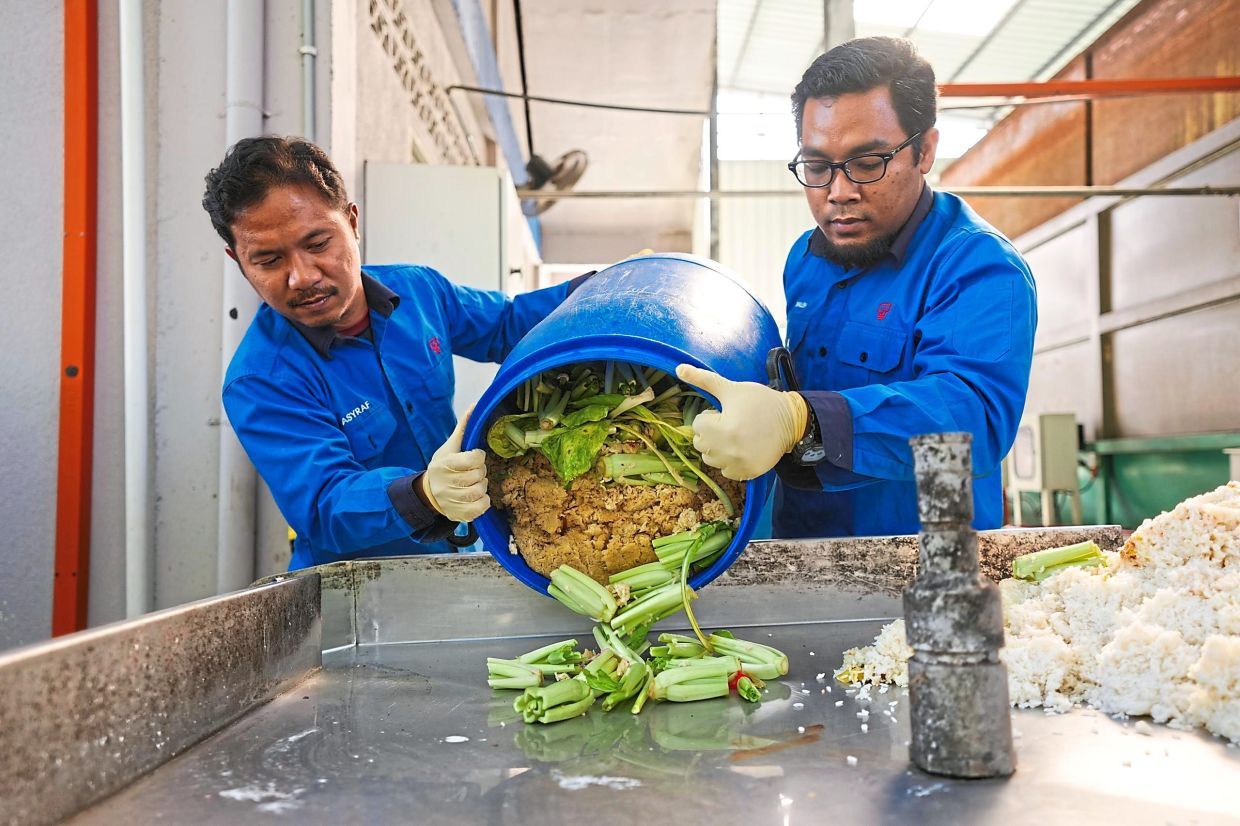
Tenaga Nasional Berhad (TNB) is advancing its waste-to-energy (WtE) initiatives through a pilot project focused on converting food waste into biogas and other by-products. TNB Research Sdn Bhd, the research arm of TNB, has been operating an anaerobic digestion facility in Kajang since 2018 to study organic waste processing and technology validation. In 2020, a torrefaction system was added to the facility.
The food waste for these pilot systems is sourced from local hotels, eateries, and TNB premises, providing a realistic urban waste stream. Notable achievements include converting biogas into renewable natural gas and producing pyrolysis oil from the torrefaction system. These developments highlight TNB's progress in transforming waste into valuable energy products, enhancing its readiness for future expansion.
Anaerobic digestion involves bacteria breaking down organic matter without oxygen, resulting in biogas and digestate. TNB's system can process up to 500kg of food waste daily, with an optimal rate of 300kg to 350kg. This yields 50 to 60 normal cubic meters of biogas daily, with a methane content of 60% to 65%, surpassing initial expectations for mixed food waste.
The process also recovers 80% to 90% of input material as digestate, usable as biofertilizer. The torrefaction system processes up to 100 liters of organic waste per cycle, producing 20% to 30% biochar by weight. The biochar is currently used for research and testing, including studies on its potential for solid fuel enhancement and soil improvement.
This pilot operation allows TNB to evaluate biochar quality and gather data for potential scale-up or integration into broader WtE and carbon management strategies. TNB is satisfied with the systems' performance, which supports circular economy principles by offering alternative food waste treatment pathways.
The project demonstrates the viability of WtE solutions beyond traditional palm biomass feedstock, although TNB has no immediate plans for large-scale implementation. The technical knowledge and community engagement gained from these systems support future scale-up and commercial opportunities.
TNB is collaborating with SWCorp and Alam Flora Environmental Solution to explore food and organic waste management and potential WtE integration. These efforts align with national sustainability goals and TNB's environmental, social, and governance (ESG) strategy.
Source: Biochar Feed