Goodwill partners with Western for textile waste recycling research
Goodwill is collaborating with Western University and Fanshawe College to recycle textile waste into biochar using pyrolysis, diverting 5,000 pounds of clothing from landfills over four years.
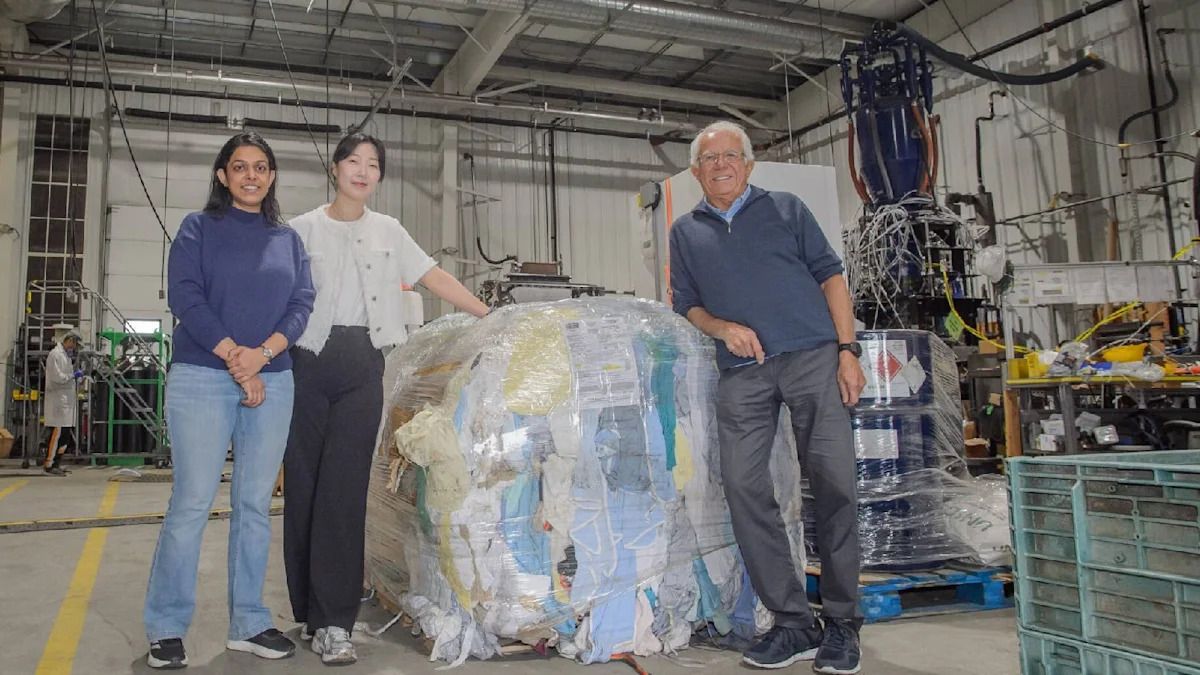
Researchers at Western University and Fanshawe College are advancing efforts to recycle textile waste into valuable carbon materials. The collaboration focuses on converting unrecyclable clothing into biochar, a carbon-rich material that enhances soil quality. This initiative addresses the challenge of diverting textile waste from landfills in the Ontario Great Lakes region, which received over 43 million pounds of donations last year.
Western University's Institute for Chemicals and Fuels from Alternative Resources (ICFAR) and Fanshawe's Centre for Research and Innovation employ pyrolysis to break down textiles into biochar. This process manages mixed fibers and additives in textiles, transforming them into a soil amendment that supports plant growth by retaining nutrients and fostering microorganisms.
Heejin Lee, a postdoctoral research associate at Fanshawe College, notes the difficulty of recycling textiles due to their mixed fiber content and additives. This often results in textiles being sent to landfills. The project also explores using enzymes to decompose natural fabrics like cotton and hemp into sugars, which have potential industrial applications.
In addition to recycling, Western University is developing artificial intelligence systems to enhance Goodwill's sorting process. Led by Professor Min Xia, the system uses smart cameras to scan and categorize donations on a conveyor belt, aiming to reduce landfill contributions. The AI sorting system is expected to be operational within a year.
Since the project's inception over four years ago, approximately 5,000 pounds of clothing waste have been diverted from landfills. Researchers are seeking federal funding to expand their efforts and address unsellable textiles. Meanwhile, Sri Lankan apparel manufacturer Hirdaramani has partnered with the University of Moratuwa to explore using textile waste for environmentally friendly ceiling panels.
Source: Biochar Feed