Graphite prices stabilize as supply glut offsets rising costs
Graphite tolling fees rose 2.3% from June to August, increasing costs for synthetic graphite anode producers.
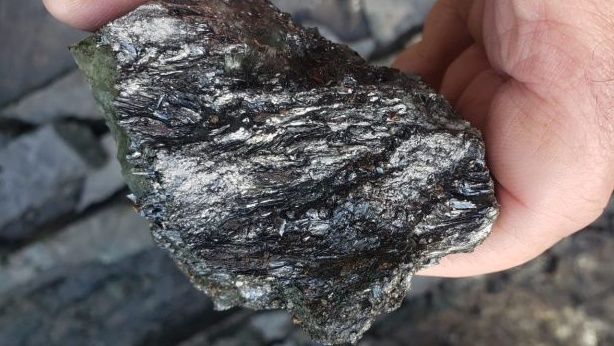
Graphite prices for both natural and synthetic varieties used in anode active material (AAM) remained stable during the third quarter of 2026, according to Benchmark Mineral Intelligence (BMI). This stability comes despite ongoing volatility in the feedstock markets.
The synthetic graphite sector faced disruptions in supply, particularly for coke materials, due to issues around the Strait of Hormuz. Pre-calcined petroleum coke prices increased by 6.5% in July and August, while pre-calcined petroleum needle coke also saw price gains. Graphite tolling fees rose by 2.3% from June to August, adding cost pressures for synthetic graphite producers.
Despite these rising costs, AAM prices were held in check by an oversupply, which BMI estimates will reach 250,000 tonnes by 2026. This surplus has allowed buyers to resist price increases from producers.
Natural graphite prices varied by region and mesh size. In China, oversupply and lower demand led to a modest decline in coarser material prices. The +100 mesh, 94–95% C grade fell by 1.9%, and the +80 mesh, 94–95% C grade decreased by 0.9% between June and August. On an FOB East Asia basis, +80 mesh, 94–95% C material dropped by 4.2%.
BMI's outlook suggests ample graphite supply will continue through the decade, even as electric vehicle adoption rises. However, the International Energy Agency (IEA) warns that demand for graphite and other energy-transition minerals could significantly increase by 2040, potentially leading to a supply gap.
China's dominance in graphite refining, accounting for 90% of the market, has prompted Western countries to seek alternative supply chains. In the US, Graphite One Inc. is advancing plans for a vertically integrated domestic graphite supply chain, anchored by its Graphite Creek Project in Alaska. The project is expected to support two decades of production with its substantial reserves.
In Canada, Nouveau Monde Graphite Inc. is developing the Matawinie mine in Québec, which is projected to produce 106,000 tonnes of flake graphite concentrate annually over a 25-year mine life. The company aims to integrate this production with a battery materials plant.
Exploration in Québec's Tetepisca Graphite District is also underway, with E-Power Resources Inc. conducting systematic surface exploration. The region is part of a significant graphite-bearing area within the Grenville geological province.
While current oversupply keeps prices low, the anticipated growth in demand positions new projects in the US and Canada as potential alternatives to the concentrated global graphite supply chain.
Source: Graphite Feed