How architects are rethinking housing design to address rising heat in Indian cities
Ant Studio in Noida has designed a sustainable home for Kamran Haider using green cement and biochar to offset carbon emissions. This approach highlights the potential for advanced carbon materials like biochar to enhance sustainability in building design by reducing embodied carbon and improving energy efficiency.
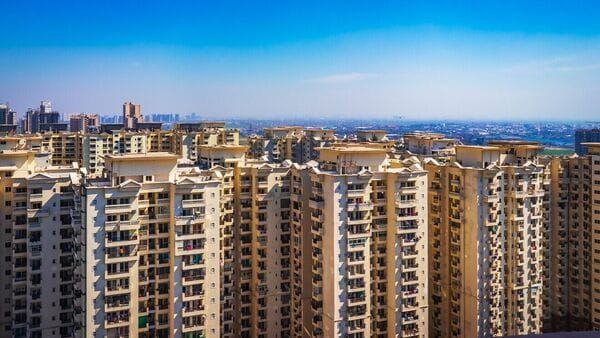
Architects in India are increasingly integrating advanced carbon materials into housing designs to combat rising temperatures. Kamran Haider, an engineer, collaborated with Ant Studio to construct a sustainable home in Noida. The project utilized green cement and biochar, a carbon-rich material, to reduce the carbon footprint. The design also incorporated passive cooling techniques and efficient mechanical systems to maintain indoor comfort while minimizing energy use.
To further decrease the building's carbon impact, the basement's size was reduced, which lessened concrete use and increased green spaces at ground level. This approach significantly lowered the project's embodied carbon. Despite a 5-10% increase in upfront costs, material and construction expenses remained competitive with traditional homes.
Sourcing green cement posed challenges, causing delays. However, Haider prioritized creating a home akin to a 'passive house,' a concept developed by German physicist Wolfgang Feist and Swedish engineer Bo Adamson, which emphasizes maintaining indoor temperatures without mechanical systems. In India's climate, a hybrid cooling system was necessary, combining air conditioning with passive cooling elements like terracotta tiles and insulated roofing.
The home's air purification system also aids cooling. The central staircase functions as a wind catcher, using evaporative cooling screens to draw cool air into communal areas. An exhaust system with a Heat Recovery Ventilator (HRV) filters incoming air and distributes it throughout the house, enhancing energy efficiency and air quality.
The design process involved analyzing heat maps and seasonal simulations, ensuring compliance with modern standards while maintaining aesthetic appeal. As climate change intensifies, architects are increasingly focusing on climate-resilient designs. The recent heatwaves in India and Europe underscore the urgency of adapting housing to extreme temperatures.
Urban heat islands, exacerbated by concrete and glass structures, contribute to rising temperatures in cities like Bengaluru. Architect T.V. Ramachandra highlights the need for climate-conscious design from the outset. Glass, while beneficial for natural light, must be used judiciously to prevent excessive heat gain.
Developers like Mahindra Lifespaces Developers Ltd are adapting to these challenges by using materials and designs suited to the Indian climate. This includes selecting native plant species for landscaping and incorporating vernacular cooling techniques such as jalis and open courtyards.
Parametric design, a tool for optimizing building performance, is gaining traction. Soga Design Studio, for example, uses it to create efficient building facades that reduce heat gain. Their projects demonstrate the potential for modern technology to enhance traditional design principles.
Ant Studio and Tiny Farm Lab are exploring nature-based solutions for cooling, emphasizing the importance of biophilic design and biomimicry. These approaches aim to reduce reliance on air conditioning and promote sustainable building practices.
The integration of advanced carbon materials and sustainable design principles is essential for addressing the challenges posed by rising temperatures in urban India. As architects continue to innovate, these strategies will play a crucial role in creating climate-resilient living spaces.
Source: Biochar Feed