Lollipop-shaped sensor measures acetaminophen in saliva in under two minutes
Researchers have developed Lollylab, a lollipop-shaped device that measures acetaminophen levels in saliva in under two minutes using a graphene sensor, offering a noninvasive testing method.
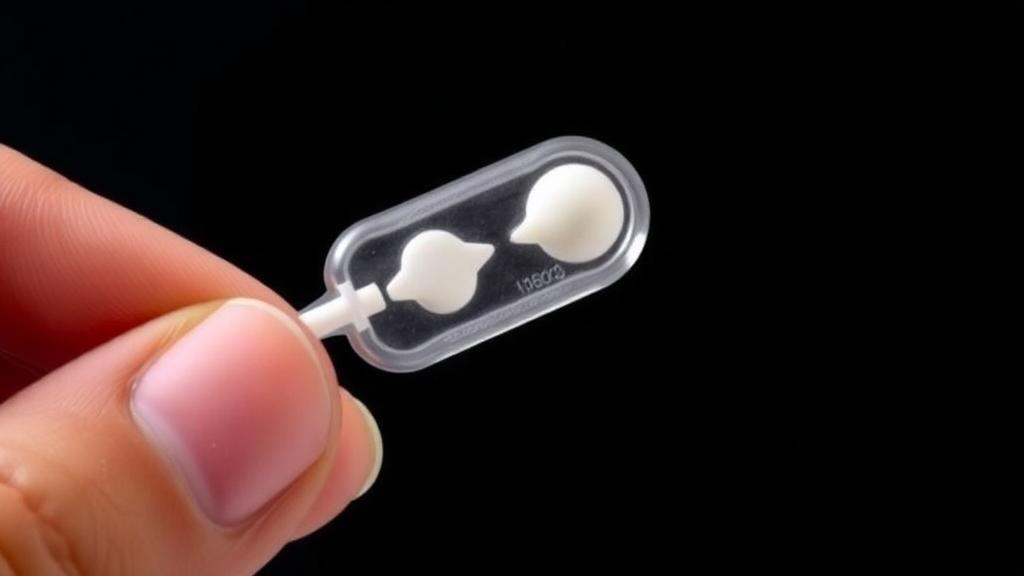
A novel device, Lollylab, integrates graphene-based electrochemical sensing with saliva collection to measure acetaminophen levels at the point of care. Developed by Sina Khazaee Nejad, Maral Mousavi, and their team, Lollylab combines sample collection and analysis, streamlining the diagnostic process. Unlike traditional methods requiring separate collection and laboratory analysis, this candy-coated device provides results directly from saliva in under two minutes.
The device's design leverages a candy coating to stimulate saliva production, directing it through a stem to a graphene sensor. Graphene, known for its high conductivity and large surface area, allows for precise electrochemical detection of acetaminophen. The sensor measures the drug's concentration by detecting changes in electrical current, a common technique in electroanalysis. Laboratory tests confirmed the device's efficacy in both artificial and real saliva samples.
Lollylab's initial trials involved six adults, demonstrating reliable detection of acetaminophen post-ingestion. Participants reported the device as more comfortable and user-friendly than conventional swabs, highlighting its potential to improve compliance, especially in pediatric settings. The device's noninvasive nature and ease of use could make it a valuable tool for monitoring medication levels in children, who are particularly vulnerable to acetaminophen overdose.
The research team plans to expand testing to include children and explore the device's capability to detect other biomarkers in saliva. Their long-term goal is to develop a multi-assay platform for comprehensive point-of-care diagnostics. This work was supported by several awards, including the 3M Nontenured Faculty Award and the President’s Sustainability Research Award. A provisional patent has been filed for the technology, indicating its potential for broader application in medical diagnostics.
Source: Graphene Feed