News5 October 2026· Biochar Feed
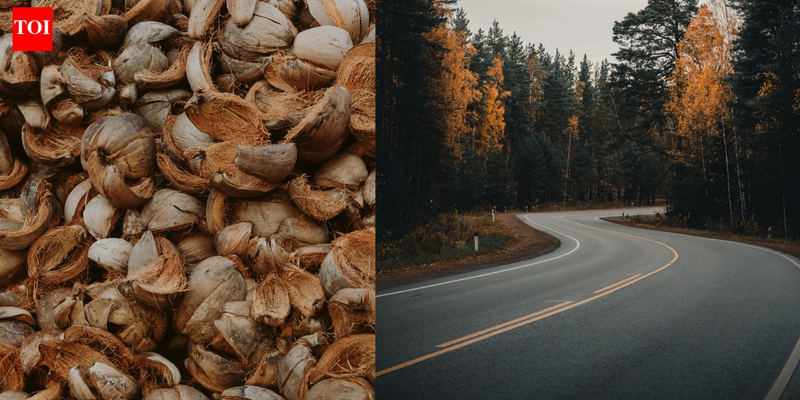
Engineers use coconut shells to create stronger asphalt with 12.5% biochar
BiocharAsphaltSustainabilityResearch & Innovation
9 articles on Biochar in Asphalt.
Engineers found that adding 12.5% coconut shell biochar to asphalt can enhance its strength, offering a sustainable alternative for road construction.
Verde Resources is commercializing its engineered biochar technology via partnerships, including one with Ergon Asphalt & Emulsions.
The Advanced Carbons Council calls for a U.S. carbon materials innovation platform focused on standards, testing and buyer qualification. The paper links engineered-carbon supply chains to manufacturing, energy, defense and AI infrastructure. Serves as a model for governments world-wide.
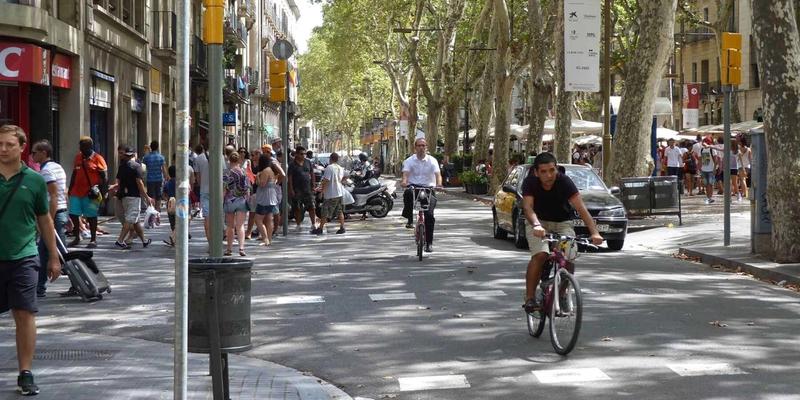
The city of Barcelona plans to transform a street into a climate laboratory by 2027, using asphalt that incorporates biochar made from olive pits and other biomass. This initiative aims to explore the potential of biochar in reducing urban heat and enhancing the sustainability of road materials.
Verde Resources, through its subsidiary Verde Renewables, has signed a 10-year Master Commercialization and Collaboration Agreement with Ergon Asphalt & Emulsions to supply engineered biochar for road paving and manage associated carbon removal credits. This partnership positions Verde as a key supplier in the asphalt industry, leveraging biochar to create sustainable infrastructure solutions and potentially generating additional revenue through carbon credits.

Verde Resources and Ergon Asphalt & Emulsions have signed a 10-year agreement to advance the use of engineered biochar in cold paving applications, moving their collaboration into a commercial phase. This development is significant for the advanced carbon materials sector as it tests biochar's practical performance in real-world infrastructure projects, potentially paving the way for wider adoption of carbon-storing materials in road maintenance and construction.
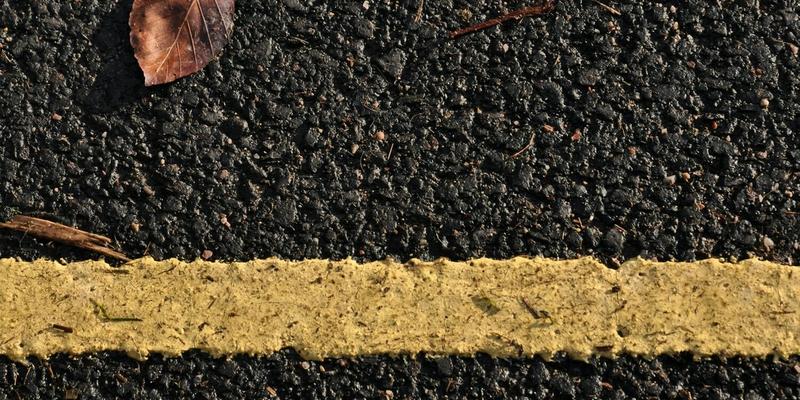
Barcelona City Hall, in collaboration with the BIT Habitat foundation and BIMSA, is trialling asphalt mixed with biochar from olive pits and pine biomass, starting in September with monitoring through 2027. This initiative aims to reduce CO2 emissions by up to 76% and store carbon in the road itself, potentially transforming road infrastructure into a long-term carbon sink using biochar.
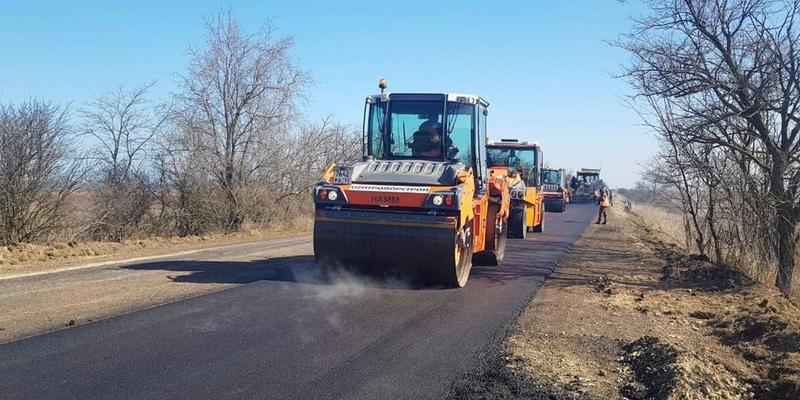
AMSA, ELSAN, and the Universitat Politècnica de Catalunya developed an asphalt mixture incorporating biochar derived from olive pits and pine residues via pyrolysis, with lab tests showing up to 75% emissions reduction in the treated pavement layer. The development expands biochar applications into road construction, positioning agricultural and forestry waste as a carbon-sequestering input for infrastructure materials.
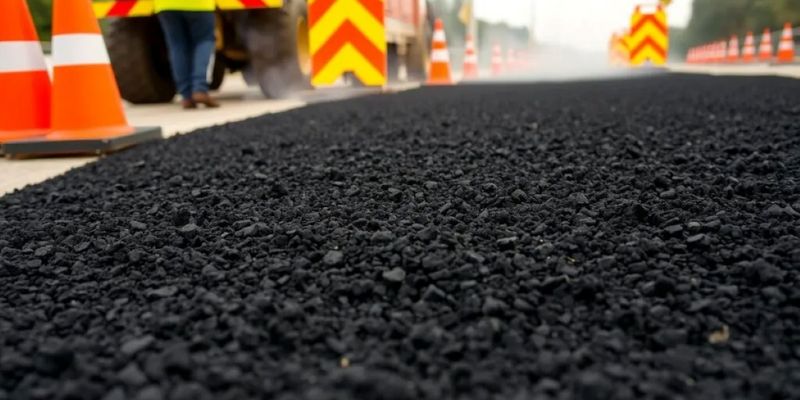
The Advanced Carbons Council highlights graphene and related carbon materials being adopted in construction applications including concrete additives (Concretene, First Graphene), graphene-reinforced 3D-printed components (Versarien), asphalt modification, and corrosion-resistant coatings (Petronas). For the advanced carbon materials sector, construction has emerged as a leading commercial deployment area, with multiple suppliers demonstrating validated, scalable products that improve strength, durability, and emissions performance without requiring major process changes.