6 articles on Biochar in Polymers.
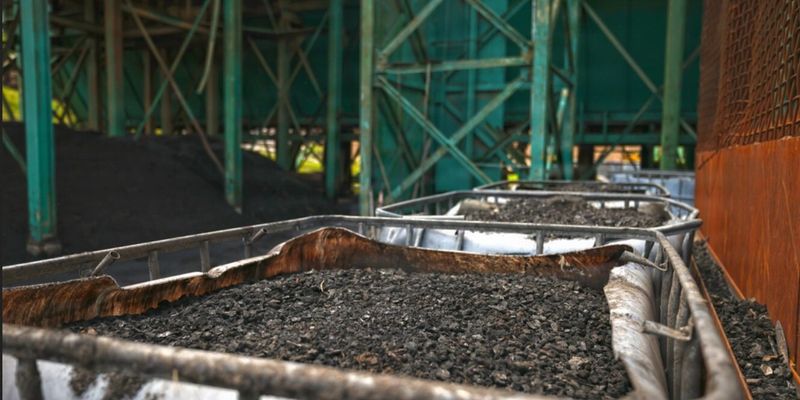
The North Carolina Department of Environmental Quality awarded $1 million for mobile biochar equipment to convert Hurricane Helene debris into a soil amendment for flood-damaged farmland in Haywood County.

Researchers at Florida International University have found that a water sample from the Hillsborough River near downtown Tampa contained 12 nanograms per liter of 6PPD-Q, a toxic chemical from tire wear, exceeding the EPA benchmark of 11 nanograms per liter. This study highlights the potential of using sargassum-based biochar to filter out harmful pollutants, which could protect Florida's aquatic ecosystems from the adverse effects of tire-derived chemicals.

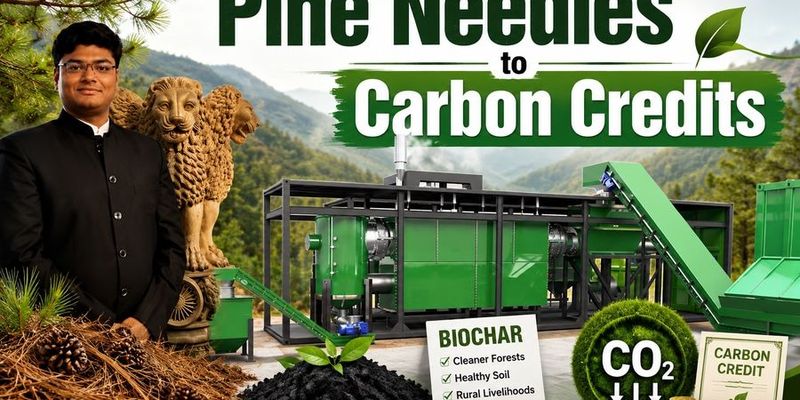
The Government of Himachal Pradesh, in collaboration with Dr Y.S. Parmar University of Horticulture and Forestry and ProClime Services Private Limited, has launched India's first indigenous biochar project in Hamirpur district, aiming to convert forest biomass into biochar to reduce fire risks and generate carbon credits. This initiative is significant for the advanced carbon materials sector as it transforms waste biomass into biochar, a stable carbon-rich material, thereby contributing to carbon sequestration and offering a sustainable model for forest management and rural livelihoods.

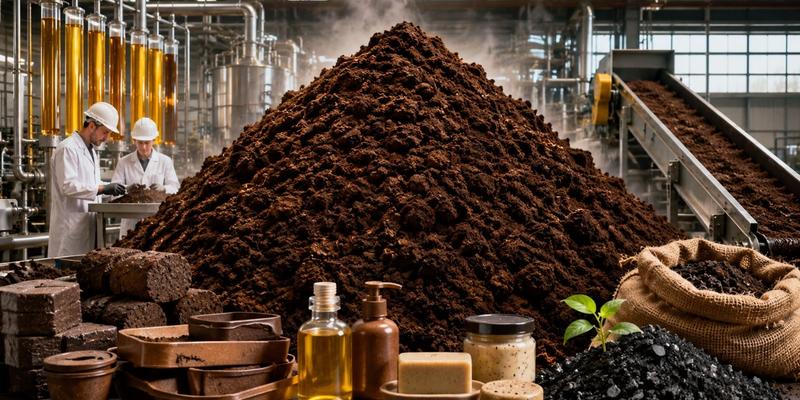
Coffee!Up in the Czech Republic is transforming used coffee grounds into products like natural soap, coffee oil, biomass, and biochar, as highlighted by the European Commission. This initiative is significant for the advanced carbon materials sector because it demonstrates the potential for waste coffee grounds to be converted into valuable materials such as biochar, which can improve soil health and contribute to carbon sequestration efforts.

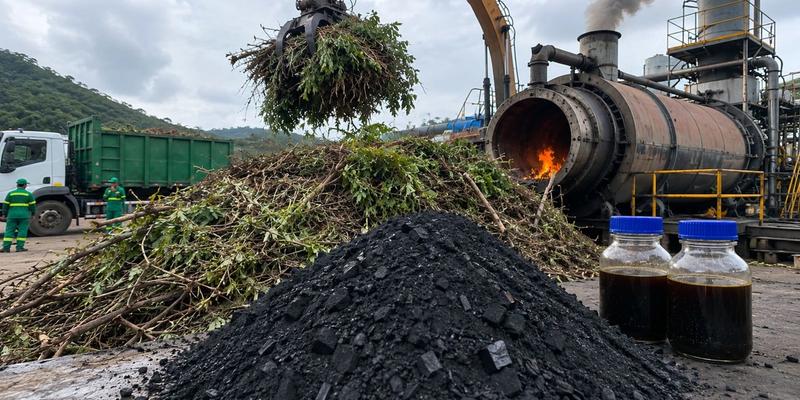
Researchers at the International Virtual Institute of Global Changes, COPPE/UFRJ, in partnership with COMLURB, have converted one ton of urban pruning waste in Rio de Janeiro into approximately 300 kilos of biochar and pyrolytic oil. This initiative demonstrates the potential of using urban plant waste as a raw material for producing carbon-rich biochar, which can be used as a soil conditioner and for carbon storage, contributing to sustainable waste management and decarbonization efforts.

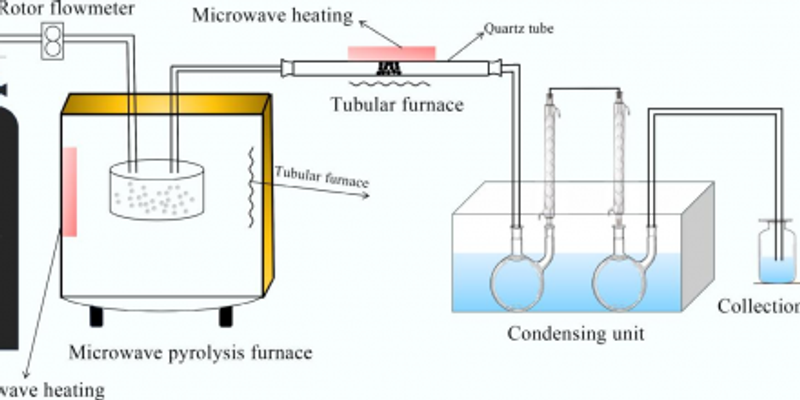
Researchers at Shihezi University used phosphoric acid-activated walnut shell biochar to catalytically pyrolyze waste agricultural plastic mulch film at three temperatures (300, 350, 400 °C), finding that 350 °C maximized olefin selectivity at 69% while 400 °C reduced tar deposition and produced carbon deposits with lower activation energy for easier regeneration. The findings give biochar catalyst developers a temperature-based framework for balancing product selectivity against catalyst deactivation and regenerability in agricultural plastic pyrolysis systems.