Study tracks toxic chemical from tire pollution in Hillsborough River
Researchers at Florida International University have found that a water sample from the Hillsborough River near downtown Tampa contained 12 nanograms per liter of 6PPD-Q, a toxic chemical from tire wear, exceeding the EPA benchmark of 11 nanograms per liter. This study highlights the potential of using sargassum-based biochar to filter out harmful pollutants, which could protect Florida's aquatic ecosystems from the adverse effects of tire-derived chemicals.
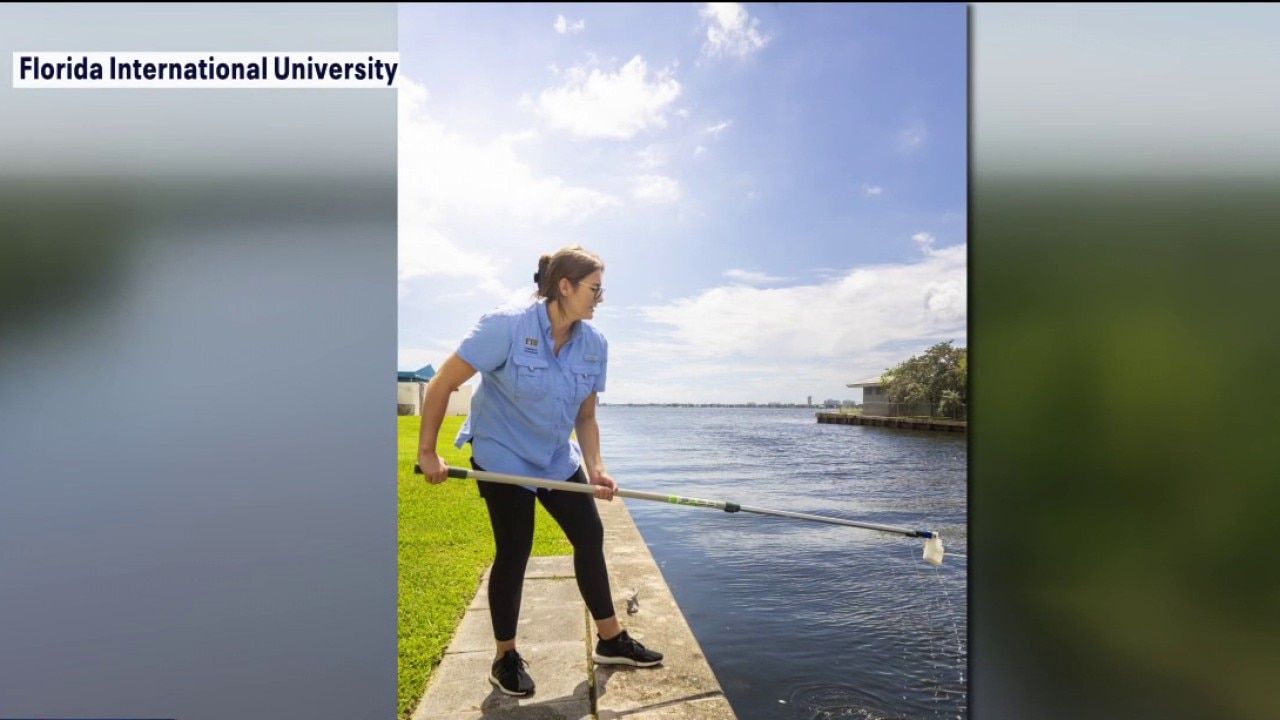
Researchers from Florida International University are investigating the impact of rain on the dispersion of toxic tire-wear pollutants into the Hillsborough River, aiming to protect local ecosystems.
Assistant Research Professor Kassidy Troxell leads the study focusing on 6PPD, a chemical used in tires to prolong their lifespan. As tires degrade, rainwater carries minute tire dust particles into nearby water bodies, including rivers, canals, and bays.
The chemical 6PPD converts into 6PPD-Q, a compound highly toxic to certain salmon species in the Pacific Northwest. To assess its presence locally, Troxell and the Ocean Conservancy collected 50 water samples over 10 months along the 60-mile river stretch from the Green Swamp to Hillsborough Bay.
The Environmental Protection Agency's benchmark for 6PPD-Q is 11 nanograms per liter. A sample near downtown Tampa recorded approximately 12 nanograms per liter, surpassing this threshold.
The study's findings indicate that the highest concentrations of 6PPD-Q occur in urban areas near stormwater outfalls, particularly after prolonged dry spells followed by heavy rain.
Although the 12 nanograms per liter measurement near Tampa is not immediately alarming, researchers emphasize the importance of early intervention. Understanding the movement of these chemical particles through watersheds is crucial for safeguarding Florida's aquatic ecosystems and species.
The next phase of the study will commence in September, with the research team planning to collect more water samples. Additionally, scientists are exploring the use of sargassum-based biochar as a potential treatment to filter and remove pollutants from the water.
Source: Biochar Feed