News9 October 2026· Graphite Feed
Renascor achieves battery-grade purity at Adelaide plant
GraphiteBatteriesEnergy GenerationSupply ChainInvestment & CapitalResearch & Innovation
17 articles on Graphite in Energy Generation.
Renascor Resources produced graphite with 99.97% carbon purity at its Adelaide plant, surpassing typical battery-grade standards and validating a purification process that avoids hydrofluoric acid.

POSCO Future M has signed a $4.5 billion long-term supply deal with Samsung SDI for lithium iron phosphate cathode materials, doubling their previous agreement's volume.
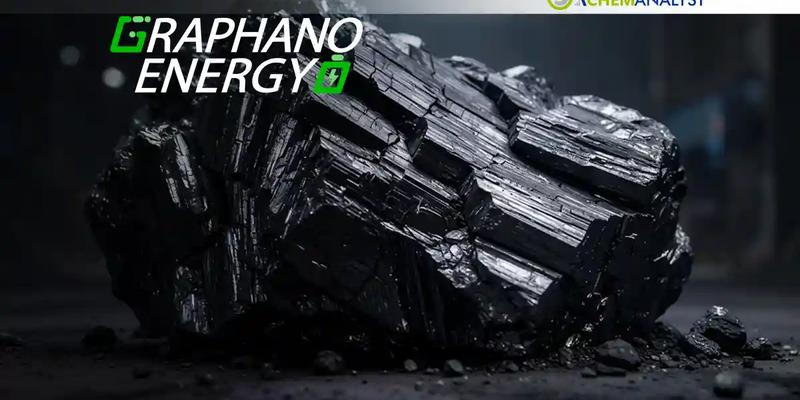
Graphano Energy Ltd. has completed prospecting at its Black Jack graphite site in Québec and plans to expand exploration westward. The company seeks $900,000 through a private placement.
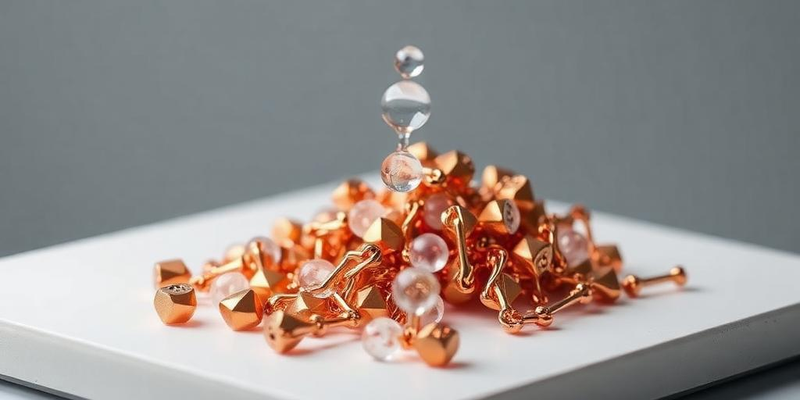
Researchers have developed spinel CuAl2O4 nanoparticles on graphitic carbon nitride using a low-cost hydrothermal method, achieving a performance of 235 for water splitting.
Researchers created a nanocomposite combining graphitic carbon nitride, iron oxide, graphene oxide, and zinc oxide to convert sunlight and air into benzaldehyde at room temperature.

Researchers have completed the prospecting phase at the Black Jack graphite discovery and sent samples for graphitic carbon analysis.

Graphite One is advancing its strategy to supply natural and artificial graphite anode materials for lithium-ion batteries in electric vehicles and energy storage systems.

The Advanced Carbons Council calls for a U.S. carbon materials innovation platform focused on standards, testing and buyer qualification. The paper links engineered-carbon supply chains to manufacturing, energy, defense and AI infrastructure. Serves as a model for governments world-wide.
LS-L&F Battery Solution is testing precursor materials using LS MnM's metal sulfates. If successful, commercial production could start in Q4, with a 40,000-ton annual capacity.
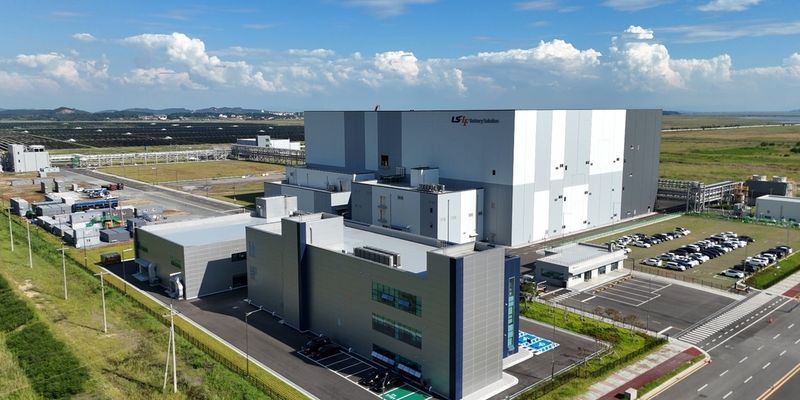
Total Graphite plc has hired Lycopodium Minerals Africa to update the Montepuez Graphite Project's feasibility study in Mozambique. Initial results are expected by November 2026.
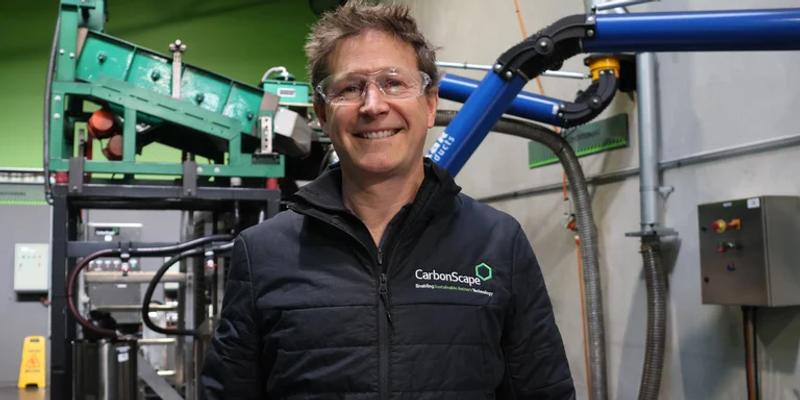
CarbonScape produces high-quality synthetic graphite by recycling materials, reducing reliance on fossil fuels for green energy components.
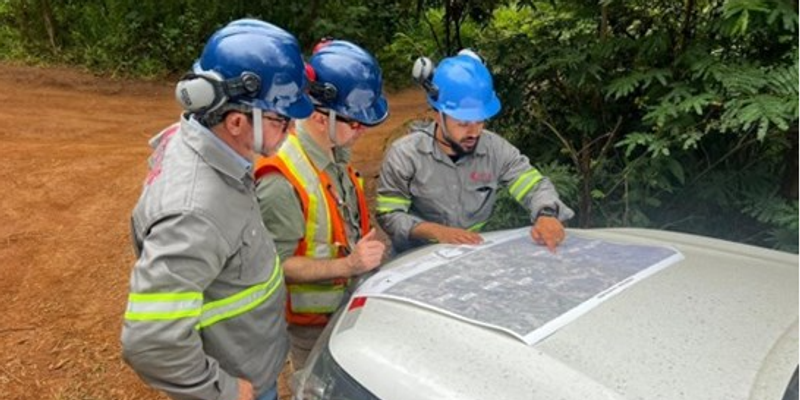
Atlas Critical Minerals Corp. reported 100% success in intersecting graphite mineralization across 20 drill holes in its Minas Gerais, Brazil project, with notable high-grade intervals confirmed by SGS Geosol.
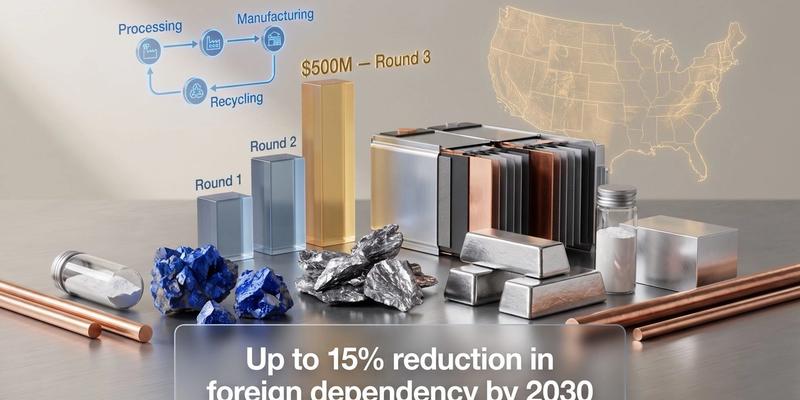
The U.S. Department of Energy has allocated $500 million to strengthen domestic processing and manufacturing of critical battery materials, aiming to reduce foreign supply chain reliance by 15% by 2030.
Hina Battery is establishing a 2 GWh sodium-ion battery production line in Wuhan to support commercial transport and cargo operations along the Yangtze River. This development is significant as it leverages local carbon resources to reduce reliance on imported lithium, ensuring stable battery supply for heavy-duty vehicles.
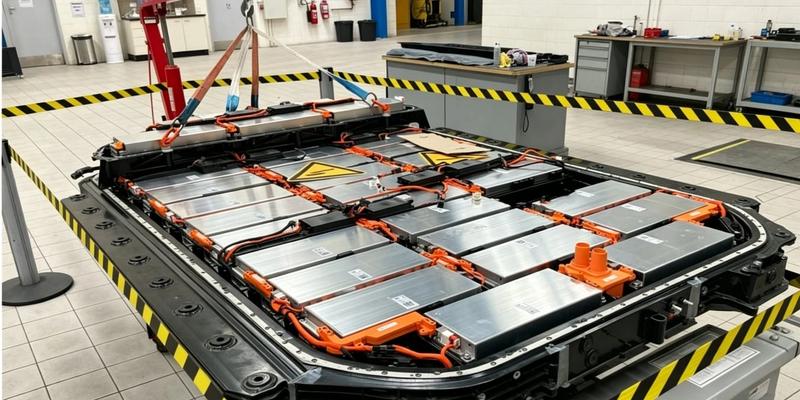
India has launched the National Critical Mineral Mission with a budget of 343 billion rupees to boost domestic graphite mining and reduce import dependency by 2031. This initiative is crucial for securing a stable supply of graphite, an essential material for electric vehicle batteries and other clean energy technologies, as India aims to meet its ambitious climate goals.
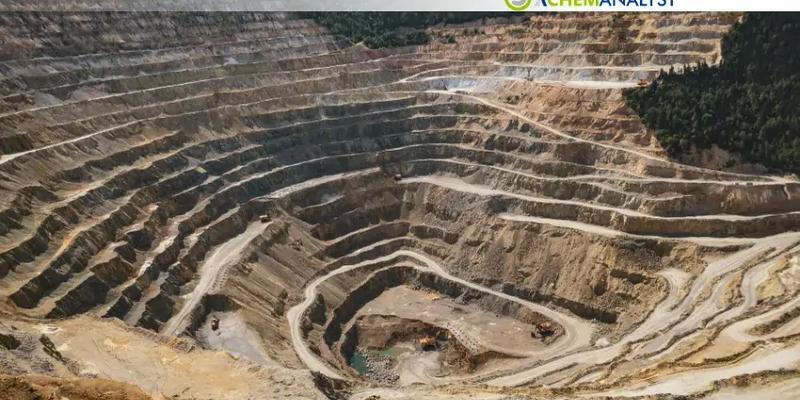
A hybrid electrode pairing VS2 nanosheets with porous graphitic carbon nitride nanotubes speeds charge transport, improving the rate performance of solid-state supercapacitors.
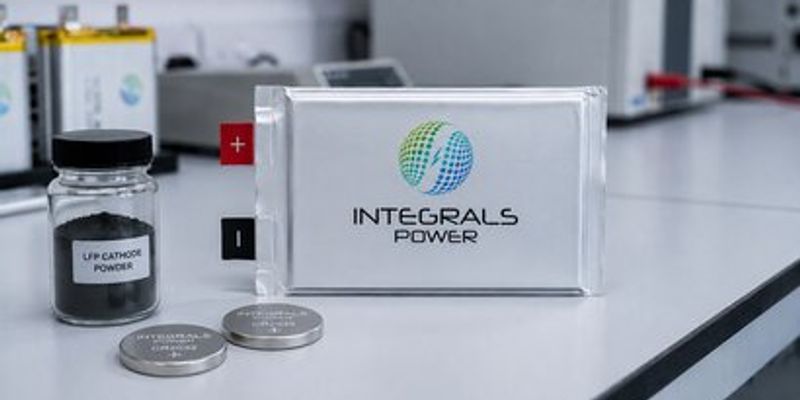
Integrals Power has been selected as the LMFP supplier for the EU-funded OLiMPUS battery project, which aims for mass production in Europe by 2032. This development is significant for the advanced carbon materials sector as it involves synthetic graphite anodes, which are crucial for reducing the carbon footprint and enhancing the sustainability of battery production.