Korean battery firms race to secure non-Chinese suppliers
LS-L&F Battery Solution is testing precursor materials using LS MnM's metal sulfates. If successful, commercial production could start in Q4, with a 40,000-ton annual capacity.
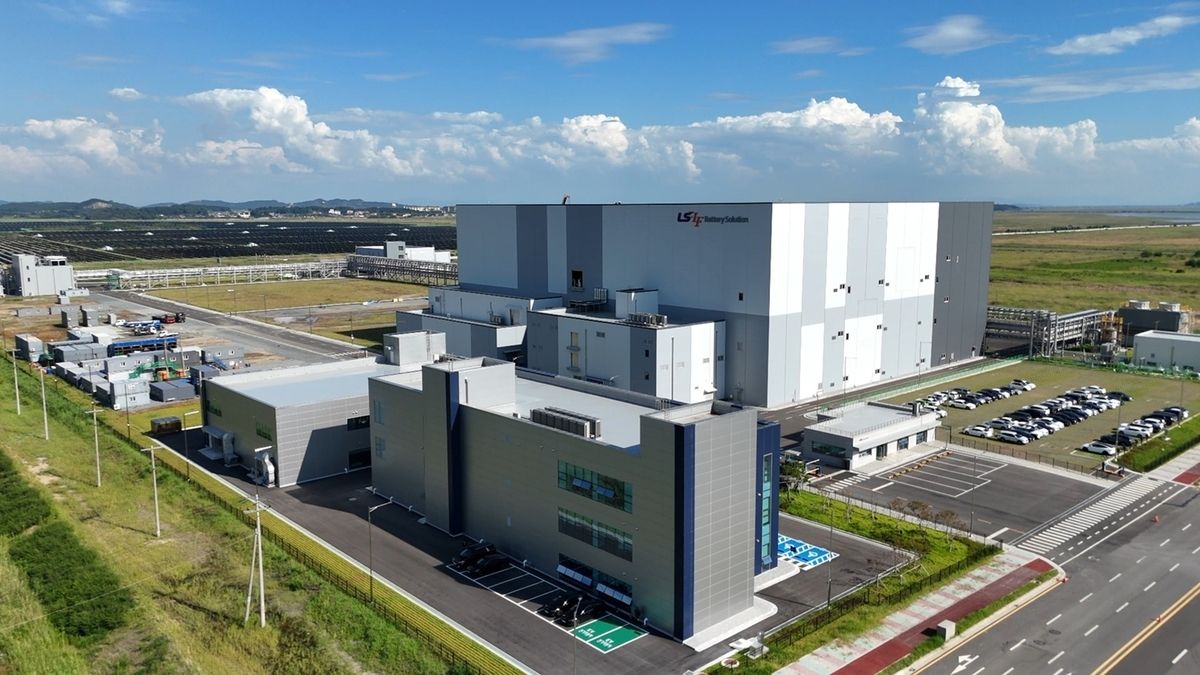
South Korean battery material manufacturers are intensifying their efforts to establish traceable, non-Chinese supply chains in response to stricter U.S. regulations affecting federal clean energy incentives for products associated with China.
LS-L&F Battery Solution, a joint venture between LS Group and L&F, is conducting qualification tests to produce precursor materials using metal sulfates from LS Group affiliate LS MnM. If successful, commercial production could start in the fourth quarter, with full-scale operations expected next year. The initial annual capacity is projected at 40,000 metric tons, aiming to reach 120,000 tons by 2029.
The partnership, formed in 2023, aims to create an integrated supply chain from LS MnM’s nickel sulfate to LLBS precursors and L&F cathode materials. This structure seeks to reduce dependence on China and comply with sourcing requirements under the U.S. One Big Beautiful Bill Act. LS MnM is also investing in an Indonesian smelter to obtain nickel outside China, planning to mass-produce mixed hydroxide precipitate next year.
The LS-L&F alliance is working to fully comply with U.S. restrictions on prohibited foreign entities (PFEs). To qualify for incentives, companies must limit the share of materials and components sourced from designated entities in countries like China and Russia. For North American battery energy storage projects, the required share of non-PFE materials and equipment starts at 55% this year, increasing to 75% by 2030.
Other Korean suppliers are adopting similar strategies. Posco Future M is diversifying its graphite supply chain as Chinese firms dominate the global anode material market. The company is sourcing natural graphite from Tanzania and Mozambique and producing synthetic graphite anodes from steelmaking byproducts in Pohang, North Gyeongsang Province, and Vietnam.
EcoPro BM is acquiring nickel from Indonesia for cathode production in Pohang and Debrecen, Hungary. Its Debrecen plant began operating its first line in June, with a second line expected to start by the end of this month to serve European customers.
This shift aligns with Washington’s broader initiative to reduce Chinese components and materials in U.S. power infrastructure, including battery storage systems. A researcher at a major Korean battery company noted that reducing reliance on China is crucial, as raw materials constitute most battery production costs. Tighter U.S. rules could protect Korean suppliers from Chinese price competition while promoting a dual strategy: using compliant, non-Chinese materials for North America and lower-cost Chinese inputs in less restrictive markets like Europe and Southeast Asia.
Source: Graphite Feed