Metal-free molecular magnet tracks heart while dissolving in the body
Researchers developed a bioresorbable molecular magnet from graphitic carbon nitride for continuous wireless heart monitoring.
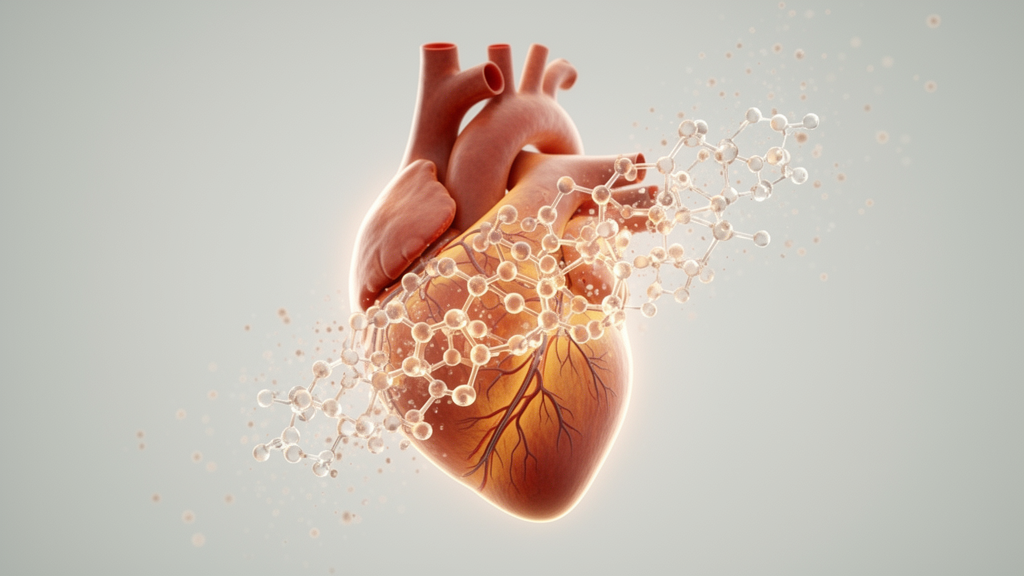
Researchers from the University of North Carolina at Chapel Hill, Columbia University, Nanjing University, and other institutions have developed a bioresorbable, metal-free molecular magnet derived from graphitic carbon nitride. This carbon- and nitrogen-based polymer, traditionally known for its role in photocatalysis, is now being explored for biomedical applications. The material, named BioMFM, combines ferromagnetic strength with the ability to degrade safely in the body, as detailed in a study published in Nature Materials.
The innovation addresses a critical challenge in implantable sensors for organ monitoring. Traditional magnetic implants use metals like iron, cobalt, or nickel, which pose risks such as toxicity and interference with medical imaging. Metal-free molecular magnets, however, offer biocompatibility and resorbability, though they have previously lacked the necessary ferromagnetic strength for effective sensing. The new material overcomes this limitation through a process called de-nitrogenation, which enhances magnetization by creating unpaired electron spin centers.
To make the material suitable for medical use, it was embedded in biodegradable polymers such as poly(lactic-co-glycolic acid) and silk fibroin. These composites can be formed into flexible epicardial patches for minimally invasive deployment. The patches generate a magnetic flux that can be detected by external Hall-effect sensors, enabling continuous monitoring of organ motion without the need for invasive procedures.
Testing in porcine models demonstrated the system's ability to monitor heart function continuously over four weeks. The magnetic sensing approach was benchmarked against echocardiography, showing clinical-grade accuracy. Additionally, the material can be used in injectable hydrogels for organ-scale sensing, offering potential applications beyond cardiology.
The material's ability to degrade after use eliminates the need for retrieval surgery, aligning with a broader strategy of designing biodegradable two-dimensional materials. This research builds on previous studies of metal-free magnetism in carbon nitride, advancing the integration of molecular magnets into medical applications. The potential for continuous, non-invasive monitoring could transform patient care, though further studies are needed for human application.
Source: Graphite Feed