Nanomaterials Could Help Italy Close Its Renewable Energy Storage Gap
Graphene-based energy storage systems have been reported to reach energy densities up to 650 Wh/kg, compared to 150–250 Wh/kg for conventional lithium-ion batteries, according to a report focused on Italy's renewable energy storage needs. This performance gap highlights graphene's potential role in grid-scale storage applications, a key growth area for the advanced carbon materials sector.
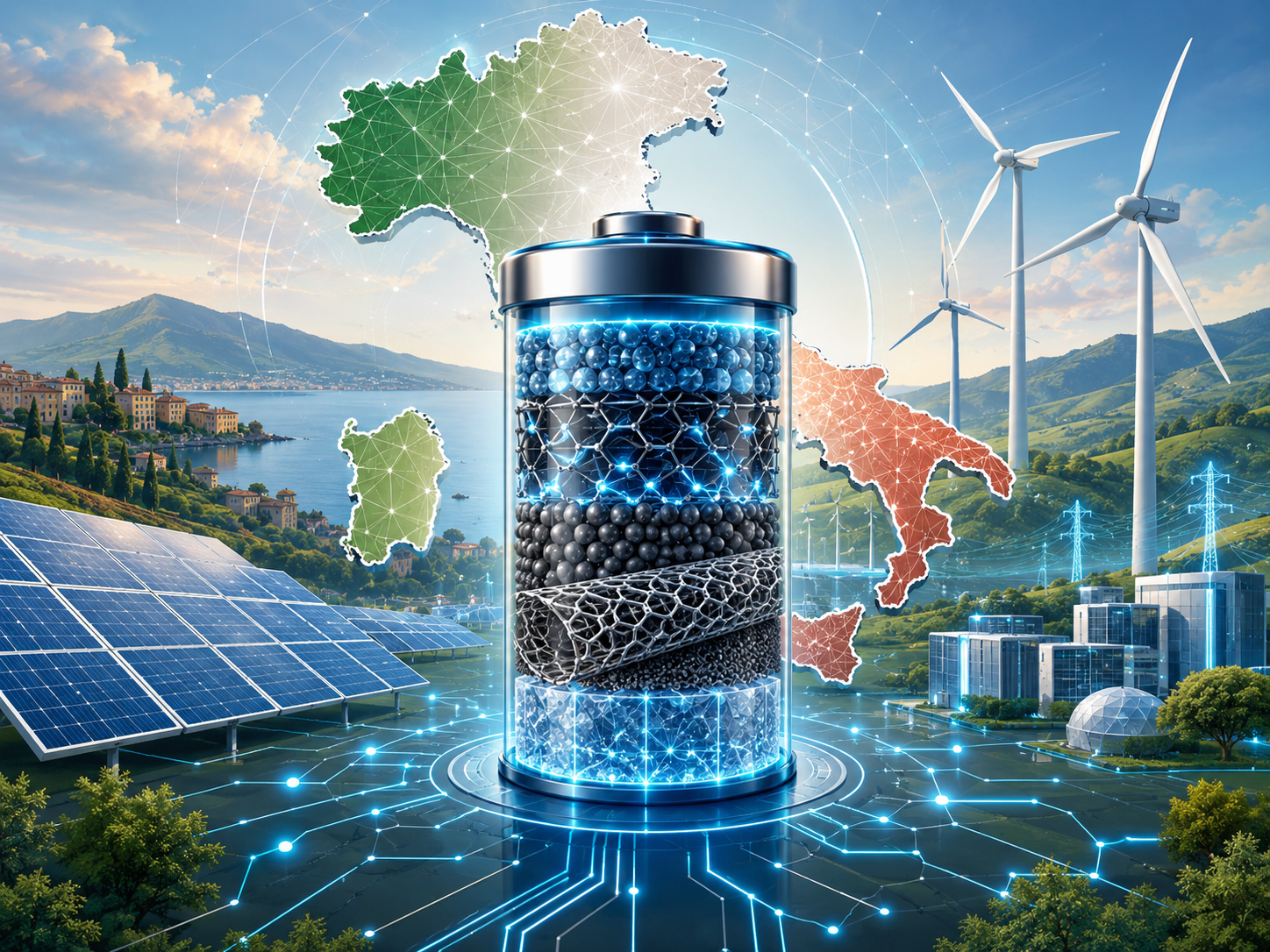
Graphene-based systems are demonstrating potential to enhance energy storage capabilities, achieving energy densities up to 650 Wh/kg. This surpasses the typical 150-250 Wh/kg range of conventional lithium-ion systems. Such advancements could play a crucial role in addressing Italy's renewable energy storage challenges.
The integration of graphene, a form of carbon known for its exceptional strength and conductivity, into energy storage systems offers promising improvements in efficiency and capacity. Researchers are exploring how these properties can be leveraged to create more effective storage solutions, which are essential for the widespread adoption of renewable energy sources.
Italy's energy sector is increasingly focused on renewable sources, yet the storage of this energy remains a critical hurdle. By incorporating advanced carbon materials like graphene, the country could significantly enhance its energy storage infrastructure, supporting a more sustainable energy future.
Source: Graphene Feed