Paper waste could make carbon fiber 25% cheaper and reduce oil use
Engineers at Washington University in St. Louis developed a carbon fiber precursor using waste lignin, reducing production costs by 25% and cutting reliance on petroleum-based materials.
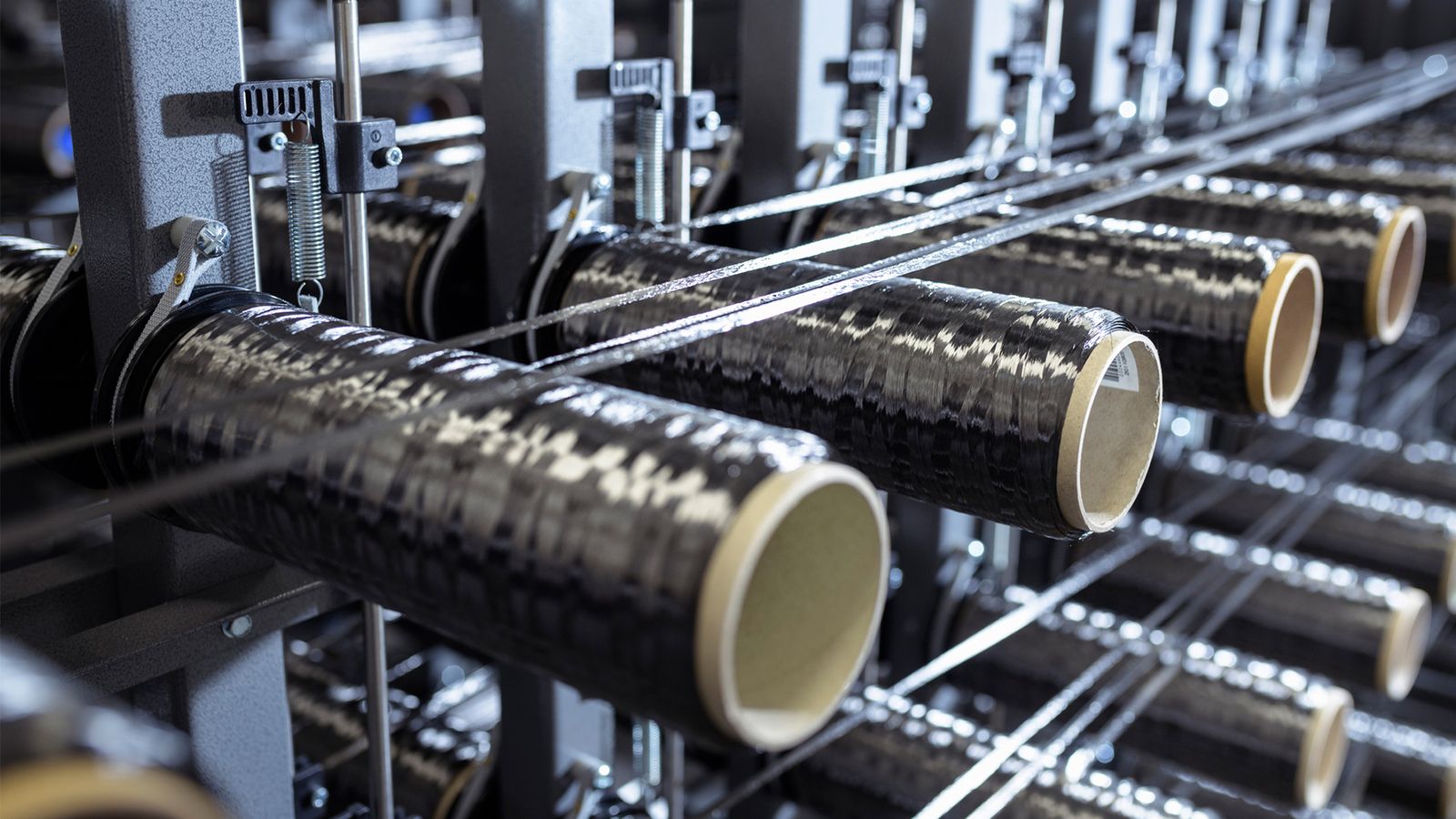
Researchers at Washington University in St. Louis have developed a method to produce carbon fiber using waste lignin, potentially reducing production costs by 25% and decreasing reliance on petroleum-derived materials. This innovation involves creating a carbon fiber precursor that substitutes half of the traditional petroleum-based polyacrylonitrile (PAN) with lignin, a renewable biopolymer byproduct from paper production and biorefineries.
To enhance the mechanical performance and internal structure of the carbon fiber, the researchers incorporated single-walled carbon nanotubes. These nanotubes function as nanoscale reinforcement, aiding in the crystallization and molecular alignment necessary for high-quality carbon fiber.
Carbon fiber is valued for its high strength-to-weight ratio, making it essential in industries such as automotive, aerospace, and renewable energy. However, conventional production heavily relies on PAN, which contributes significantly to manufacturing costs and carbon emissions.
The new approach not only reduces PAN usage by 50% but also lowers the carbon footprint. The process involves a three-stage method: wet spinning to form fibers, tension-assisted heat treatment, and an optimized carbonization step, resulting in a highly aligned crystalline structure suitable for demanding applications.
This lignin-based carbon fiber could lower costs and expand the material's use in various sectors, including automotive manufacturing, where lightweight materials are crucial. The research highlights the potential of combining renewable waste materials with nanoscale enhancements to achieve high-performance carbon fiber.
The findings were published in the journal Matter.
Source: Carbon Fiber Feed