Penn State evaluates biomass-to-gasoline startup in Pennsylvania
Penn State researchers are assessing the sustainability of Woodland Biomass Innovations' plan to convert 1,000 tons of wood residues daily into gasoline and biochar in Tioga County, Pennsylvania.
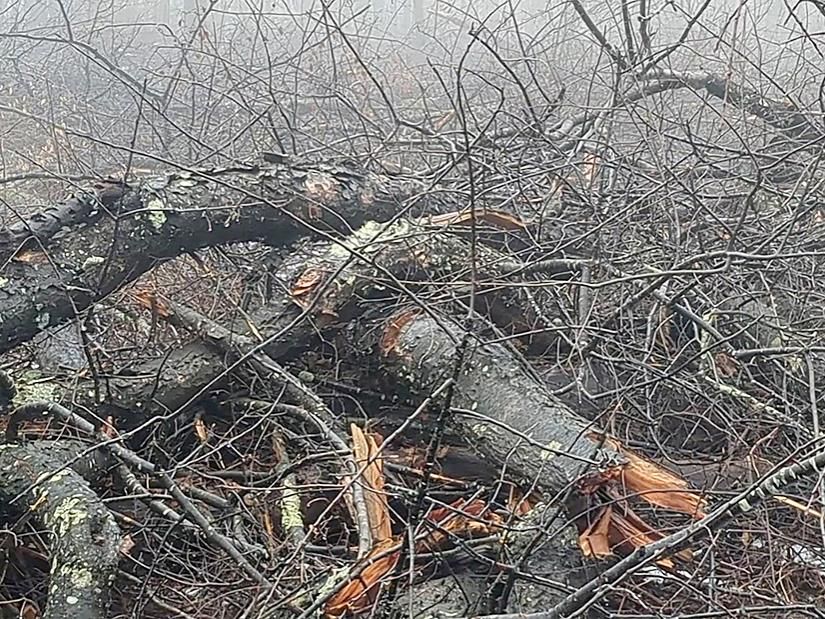
The Penn State College of Agricultural Sciences is collaborating with Woodland Biomass Innovations to assess the sustainability and ecological impact of a proposed biomass-to-energy facility in north central Pennsylvania. The facility aims to convert approximately 1,000 tons of regional wood residues daily into 42,000 gallons of gasoline, biochar, and renewable electricity. Founder Luca Pandolfi plans to establish the facility in Tioga County, utilizing nearby forests that contain small-diameter trees often discarded in timber operations.
This collaboration provides mutual benefits for students, the startup, and the state, as noted by Dan Ciolkosz, associate research professor of agricultural and biological engineering. Penn State faculty and Woodland Biomass Innovations are working together to advance the business while offering students practical experience in bio-based energy opportunities in Pennsylvania.
Researchers are modeling the environmental impact of the process and evaluating local forests to ensure a sustainable supply of biofuel for the operation. Juliana Vasco-Correa, assistant professor of agricultural and biological engineering, organized a capstone project for students to assess the availability of biomass using U.S. Forest Service data. Preliminary results indicate that forests within a 25-mile radius can provide sufficient woody biomass for the facility's needs. This distance is crucial, as transportation costs beyond this range can render such projects non-viable.
Source: Biochar Feed