Proposed EU carbon market update may boost hemp business case starting in 2030
The EU's proposed carbon market update could allow hemp-based carbon storage technologies to qualify for trading in the Emissions Trading System starting in 2030.
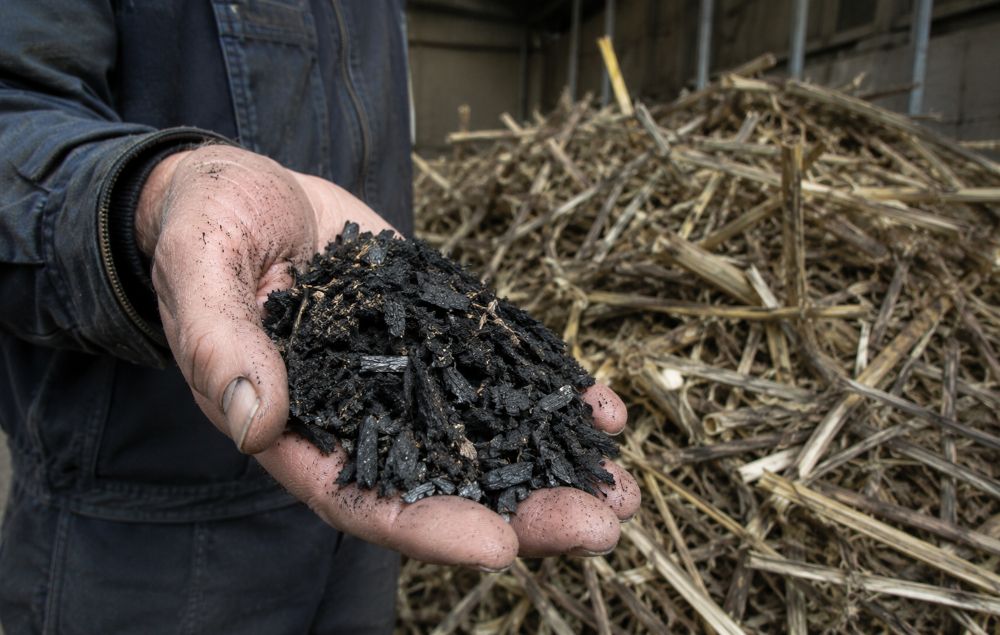
The European Union is advancing plans to integrate certified permanent carbon removals into its Emissions Trading System (ETS) by 2030. This development could enhance the business case for hemp-based carbon storage technologies.
The proposal, pending legislative approval, would allow credits for permanent carbon removals to be traded within the ETS. This system currently permits the trading of greenhouse gas emission permits but does not yet include certified permanent carbon removals. The inclusion of these removals would mark a shift from research and voluntary markets to regulated commercial value.
Permanent carbon removal involves strategies that extract CO₂ from the atmosphere and ensure its long-term storage. The EU's plan applies to removals meeting the Carbon Removals and Carbon Farming Certification Framework (CRCF) standards, which ensure verified and durable carbon storage.
Although the Commission has not proposed special treatment for hemp, several hemp-based pathways, such as biochar and bioenergy with carbon capture and storage (BioCCS), could qualify under future rules. Nando Knodel of CarbonConnect GmbH highlights biochar and hemp-based building materials as promising near-term opportunities, given their established certification methodologies.
Currently, hemp's role in carbon markets is mostly within voluntary systems, where market conditions vary. Integrating permanent removals into the ETS could improve the economic prospects for hemp processing investments, though commercial uncertainties remain.
The CRCF, established in 2024, provides the legal framework for certifying carbon removals, including permanent storage and long-term carbon-storing products. Research supports hemp's potential as a carbon storage crop, comparable to wood in capturing atmospheric carbon.
Despite potential, hemp companies must overcome credibility challenges due to associations with marijuana. Establishing a distinct identity as climate-focused businesses is crucial. The proposal is subject to negotiations, and details could change before final adoption.
While the plan does not guarantee new revenue, it suggests a future carbon market with standardized rules and potentially more stable demand. Knodel advises hemp companies to prepare for certification and monitor regulatory developments to position themselves as qualified suppliers.
Source: Biochar Feed