12 articles on Regulation.
Graphene Manufacturing Group Ltd. has launched G FLUID, a graphene-based water coolant additive for data centres. Preliminary tests show a 20% increase in heat transfer when used at 1% concentration.

Researchers and industry leaders in Jakarta urge converting Palm Oil Mill Effluent into biogas. Indonesia's vast effluent pool remains largely untapped due to a lack of binding regulations.

The European Commission released new certification rules for EU-wide permanent carbon removals, addressing DACCS, BioCCS, and biochar.
The EU's proposed carbon market update could allow hemp-based carbon storage technologies to qualify for trading in the Emissions Trading System starting in 2030.

The EU plans a €50 billion Emissions Trading System market for carbon removal, initially excluding lower-tech options like biochar. Future reviews may consider these technologies.

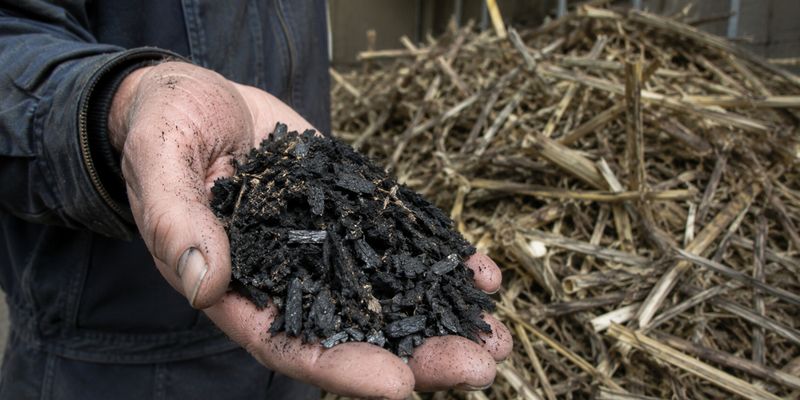
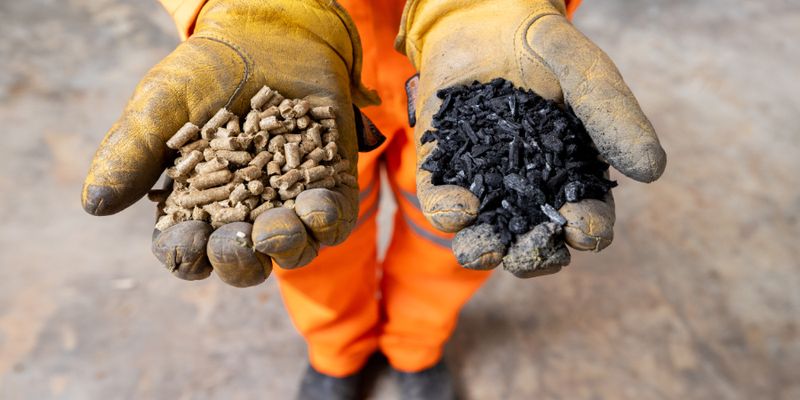
Rainbow has updated its BioCCS methodology to align with the EU CRCF framework, including biochar as an eligible CO2 capture module. This alignment could enhance the adoption of biochar in carbon capture and storage strategies within the EU.
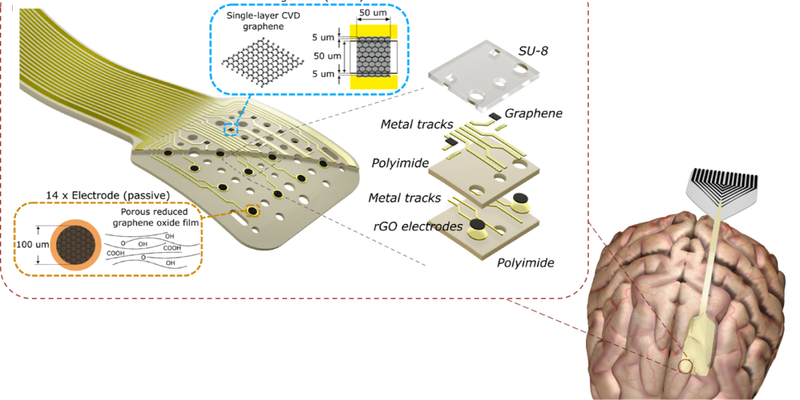
Researchers at ICN2, led by Jose A. Garrido, are developing graphene-based thin film devices for neural stimulation and recording, with work spanning device fabrication, in vivo testing in rodent and large-animal models, and clinical translation efforts. The work demonstrates a pathway for graphene to move from laboratory research into regulated medical devices, advancing the material's role in bioelectronics beyond conventional carbon fiber or composite applications.

Micro-X Limited (ASX: MX1) released an investor presentation outlining its strategy to apply proprietary carbon nanotube X-ray technology to CT imaging, while noting the material is not a prospectus and that its securities are not registered in the United States. The update signals continued commercial development of carbon nanotube-based X-ray sources for medical imaging, a niche application that could influence demand and performance benchmarks for nanotube components in the medtech sector.

Alastair Collier, chief R&D officer of A Healthier Earth, argues in this op-ed that the carbon removal sector's primary obstacle is no longer technological but structural, citing fragmented credit markets, misaligned procurement timelines, and the absence of durable policy frameworks as the core barriers to scale. For the biochar and broader CDR industry, the piece highlights that integrating high-integrity removals into mechanisms like the UK and EU ETS could provide the long-term demand signals and price certainty needed to move projects from pilots to industrial-scale infrastructure.

Terrance Barkan of The Graphene Council published a framework mapping the commercialization maturity journey of graphene through stages from discovery to mature commercialization, identifying nine recurring obstacles including capital access, regulation, standardization, and value chain complexity. The framework positions graphene as approaching proven commercial viability in multiple application areas—including composites, construction materials, and thermal management—while arguing that its "killer application" lies in broad adoption as a performance-enhancing additive across sectors rather than in any single use case.

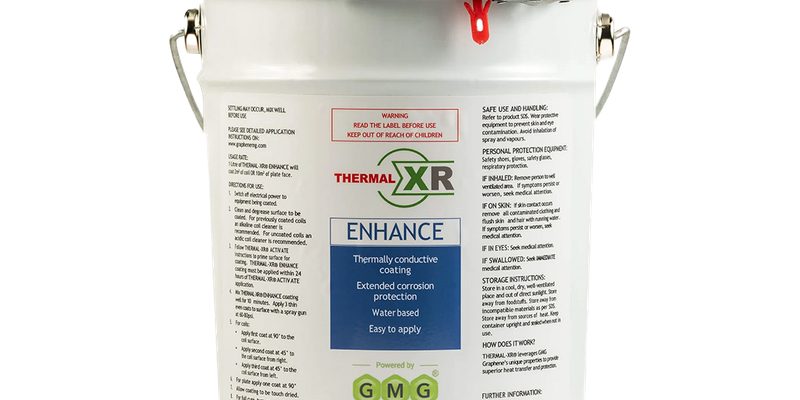
Graphene Manufacturing Group (GMG) submitted a Significant New Use Notice (SNUN) to the US EPA on June 2, 2026, seeking authorization to manufacture, distribute, and sell graphene coatings, lubricants, and fluids domestically in the United States, with approval expected by end of June 2027. The filing marks a shift from export-only access to domestic graphene production in the US, which could establish a local graphene supply chain for industrial applications including HVAC coatings and engine lubricant additives.

HydroGraph Clean Power received US EPA TSCA Section 5(e) clearance for two turbostratic graphene materials (P-24-0086/P-24-0087) alongside UK REACH and EU REACH registrations, authorizing commercial manufacture and supply across the US, UK, and EU. The approvals remove a key regulatory barrier for graphene commercialization in three major markets, allowing customers to scale up applications under defined compliance conditions.