Soft, sticky, stretchable biosensors improve connection says Drexel University
Drexel and Penn State researchers created a new hydrogel for biosensors that maintains skin contact through sweat and hair, enhancing durability and comfort during physical activity.
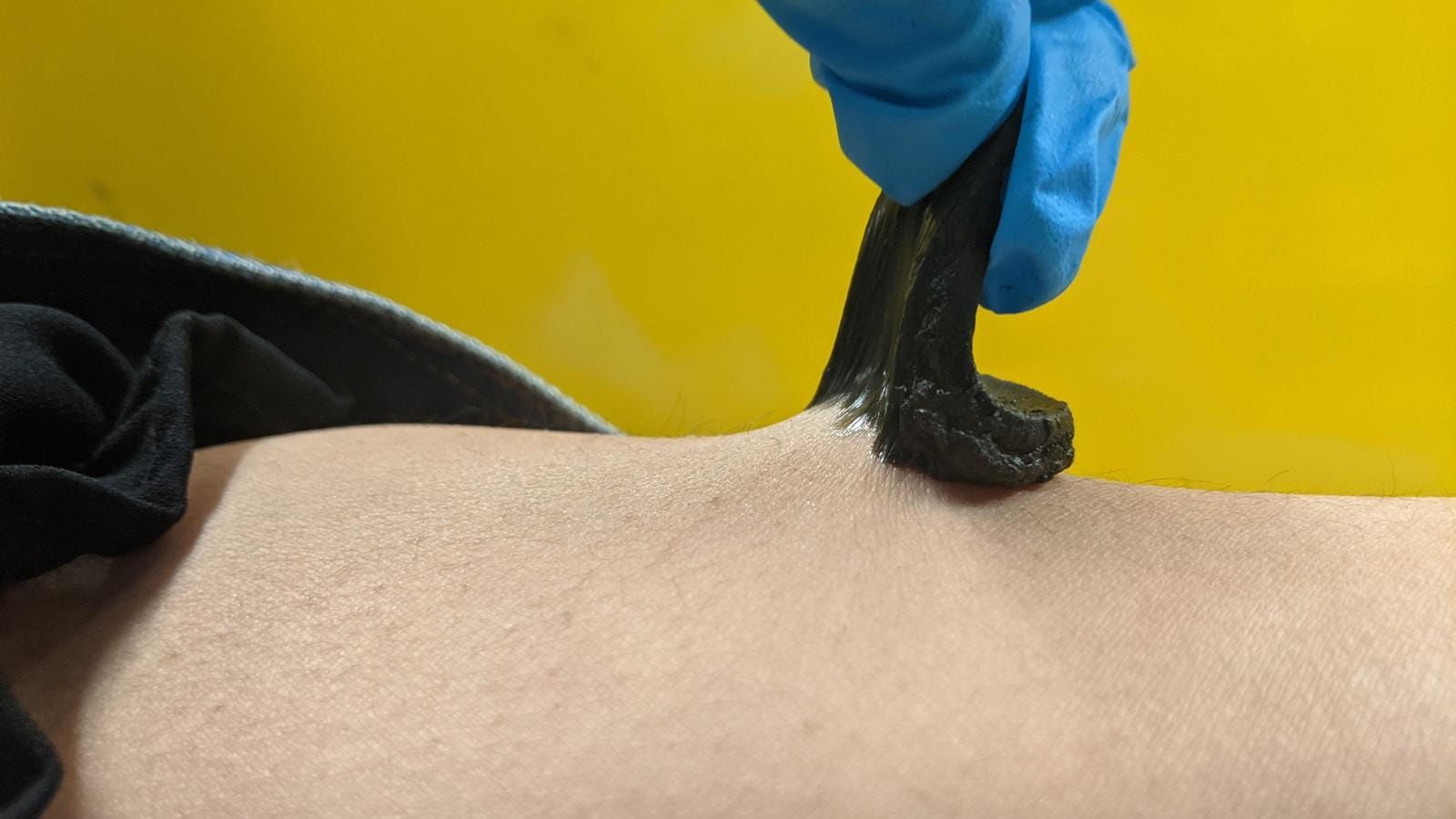
Researchers at Drexel University and Penn State University have developed a new hydrogel incorporating graphene-based nanomaterials to enhance the performance of biosensors. This innovative material aims to improve the durability, breathability, and conformability of biosensors used in healthcare.
Biosensors have become integral to home healthcare, providing essential data for individuals with chronic conditions. However, maintaining consistent skin contact during physical activity remains a challenge. The research team addressed this by formulating a hydrogel that adheres effectively to skin, even through hair and sweat, ensuring reliable signal detection.
The hydrogel's composition includes laser-induced graphene and reduced graphene oxide, forming a porous network that enhances electrical conductivity and allows sweat to permeate without disrupting the sensor. This graphene integration is crucial for maintaining signal quality during movement.
The researchers also incorporated polydopamine, a polymer that mimics adhesive proteins in muscle tissue, to secure the sensors to the skin. This bio glue ensures the sensors remain attached during physical activity and sweating.
Preliminary tests showed that the hydrogel is as soft as human tissue, can stretch significantly, and is durable enough for repeated use without performance degradation. It adhered strongly to various surfaces, demonstrating its potential for diverse biomedical applications.
Hydrogel sensors tested on the wrist and chest maintained strong signal connections during movement, while electro-oculography sensors performed well during eye movement exercises. These findings suggest the hydrogel's suitability for real-world biosensing applications.
The team conducted experiments to monitor physiological responses to anxiety, using hydrogel sensors to capture data on blinking, sweat, and heart rate. The sensors provided continuous data, even during increased anxiety levels.
While further development is needed before commercialization, the researchers believe this customizable, reusable hydrogel offers a promising direction for wearable bioelectronics. This research was supported by the National Science Foundation and National Institutes of Health, with contributions from multiple researchers at Drexel and Penn State.
Read the full paper here: https://www.science.org/doi/10.1126/sciadv.aee5890
Source: Graphene Feed