Unexpected discovery leads to new graphene oxide production method
Researchers at Texas A&M University have developed a new method to produce graphene oxide from methane using a plasma-based reactor, which simultaneously generates hydrogen as a byproduct. This scalable approach could reduce reliance on graphite for graphene oxide production, offering a cost-effective alternative for applications in batteries, electronics, and advanced manufacturing.
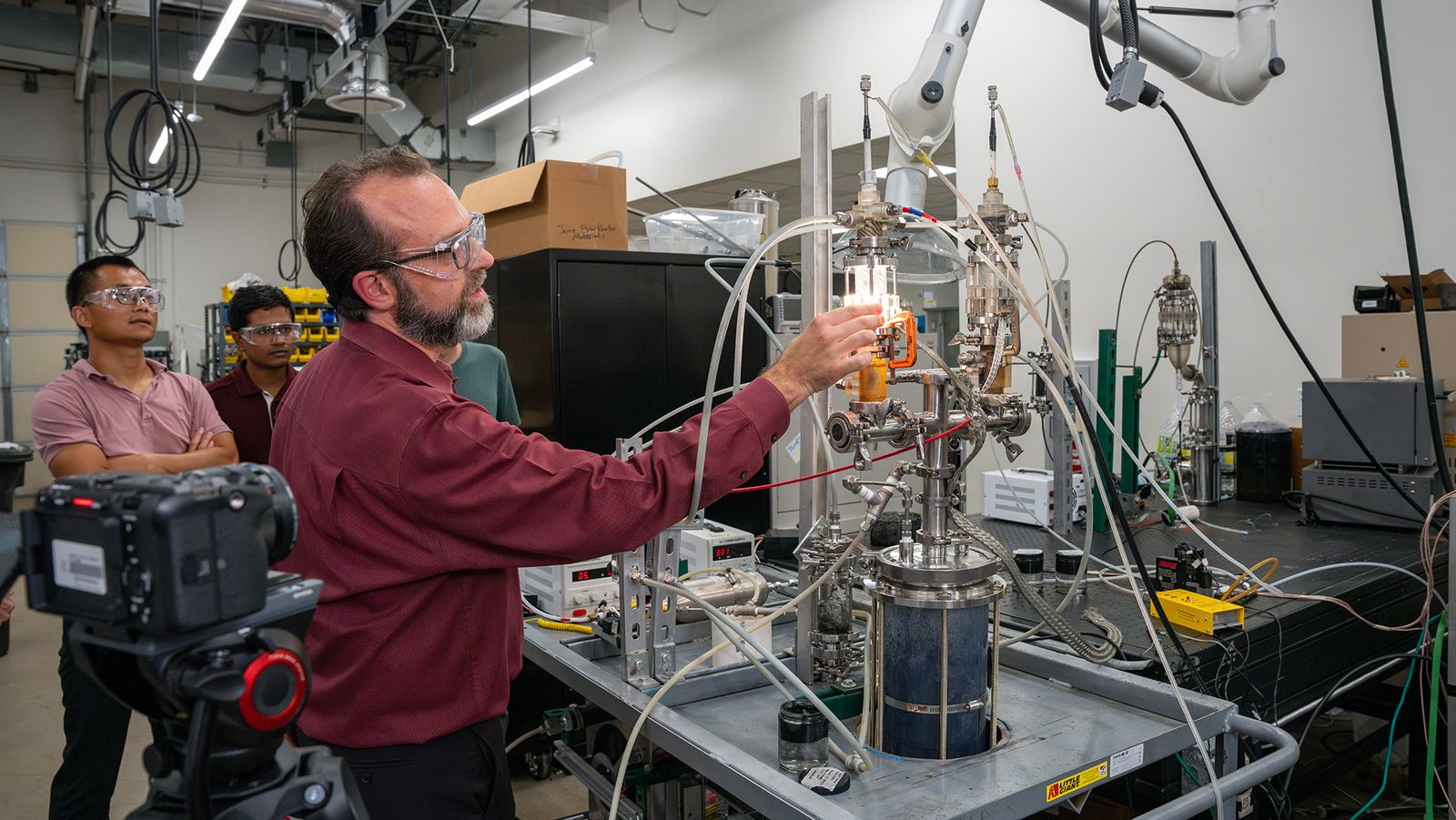
Researchers at Texas A&M University have developed a novel method for producing graphene oxide, a vital carbon nanomaterial used in batteries, electronics, and advanced manufacturing. This new process utilizes methane and a nonthermal plasma-water interface, potentially offering a more cost-effective and scalable alternative to traditional methods.
The team, led by Dr. David Staack, associate professor and deputy vice chancellor for research, discovered this method while initially focusing on hydrogen production. The process employs an electrical plasma discharge to convert methane, the primary component of natural gas, into high-purity graphene oxide, with hydrogen as a byproduct.
Unlike conventional methods that rely on mined graphite, this approach synthesizes graphene oxide directly from methane. Dr. Staack noted that most current production methods involve chemically intensive processes starting with graphite. The new method builds the material from methane molecules, presenting a different and potentially more sustainable pathway.
Graphene oxide, a single-atom-thick carbon material, is valued for its conductivity, strength, and versatility. It is widely used in energy storage technologies, coatings, and composites. The Texas A&M team's process could leverage domestic natural gas resources, addressing supply chain limitations associated with graphite.
Dr. Micah Green, co-principal investigator and professor of chemical engineering, emphasized that this is the first scalable production of graphene oxide from natural gas precursors. This innovation aligns with industry efforts to derive high-value carbon nanomaterials from petrochemical sources, transforming carbon emissions into functional materials.
The research, supported by College Station-based energy company LTEOIL, demonstrates a scalable approach capable of producing high-purity, single-layer graphene oxide under atmospheric conditions. The collaboration highlights the potential for industry-sponsored research to transition university findings into practical technologies.
Howard B. Jemison, CTO of LTEOIL, remarked on the potential of this technology to create more efficient and sustainable manufacturing pathways. The process not only produces a valuable material but also generates hydrogen while minimizing carbon emissions, offering a dual benefit for energy and materials production.
Source: Graphene Feed