
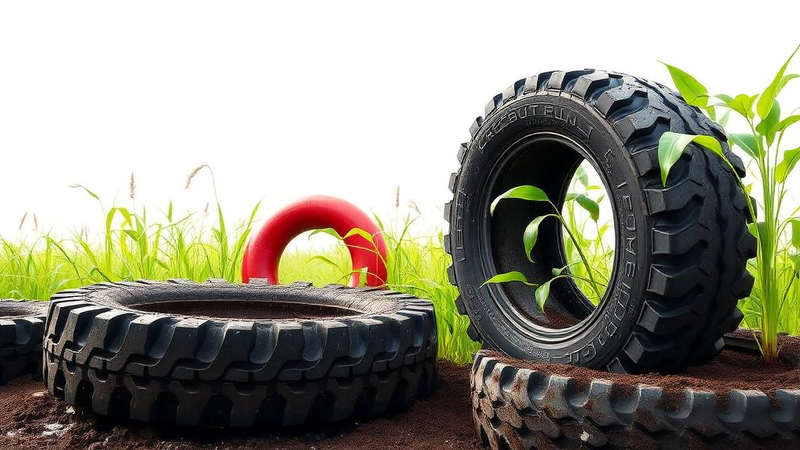
Old Tyres Turned Phosphorus Magnets Could Feed Crops and Clean Wastewater
Researchers converted waste tyre biochar using hydrogen peroxide to create a material that removes 99% of phosphorus from wastewater.
What We Offer
Match application requirements to the right carbon material and processing route, independent of any supplier relationship.
Use our technical due diligence services to identify, qualify and evaluate potential investment or acquisition targets.
We help companies to test, develop or evaluate new applications, grow markets, or that want to understand how different carbons can be applied to their existing products.
Competitor analysis, technology reviews and insights on IP and technology & materials developments.
Consulting and Strategy is where the Advanced Carbons Council puts its evidence base to work for individual organisations. Producers, buyers, investors and government teams come to us for a clear read on a market that is still forming, where claims often outpace what can be demonstrated and where the difference between a credible supplier and a marketing story carries real commercial risk.
Our advice rests on the same foundations as the rest of the Council: the ISO-based classification framework that gives advanced carbons a shared vocabulary, an in-person verification programme that checks production and capability claims on site rather than taking them at face value, and independent testing across more than twenty validated analytical methods. Behind that sits a library of vetted company profiles and reference work such as the graphene report programme, so a recommendation can be traced back to primary research.
We support strategy across more than forty industry verticals, from batteries and composites to construction, electronics and energy. Engagements range from supplier qualification and technical due diligence to market entry, sourcing strategy and policy input. The remit is deliberately narrow in one respect: we advise, we do not sell materials, so the guidance stays independent of any producer interest.
By The Numbers
Latest coverage
Reporting, analysis and policy the ACC is tracking across the topics and applications most relevant to this division.
Researchers converted waste tyre biochar using hydrogen peroxide to create a material that removes 99% of phosphorus from wastewater.
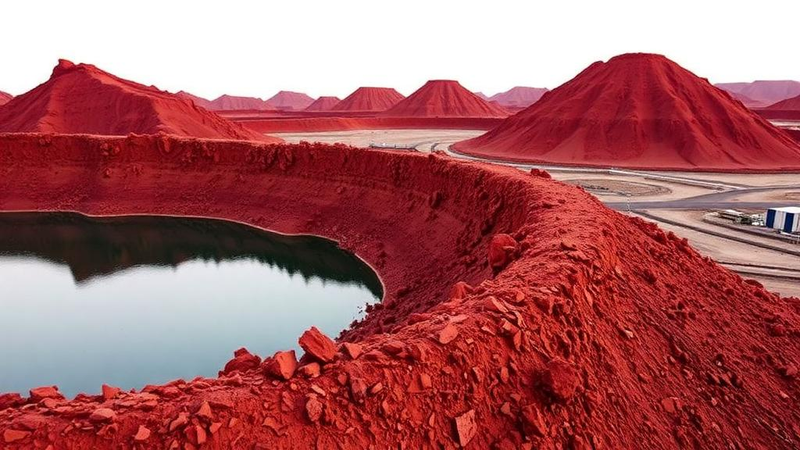
Researchers created carbon-fiber-reinforced geopolymer composites using red mud and ore tailings, achieving electromagnetic shielding effectiveness up to 33.5 decibels in the X-band frequency range.
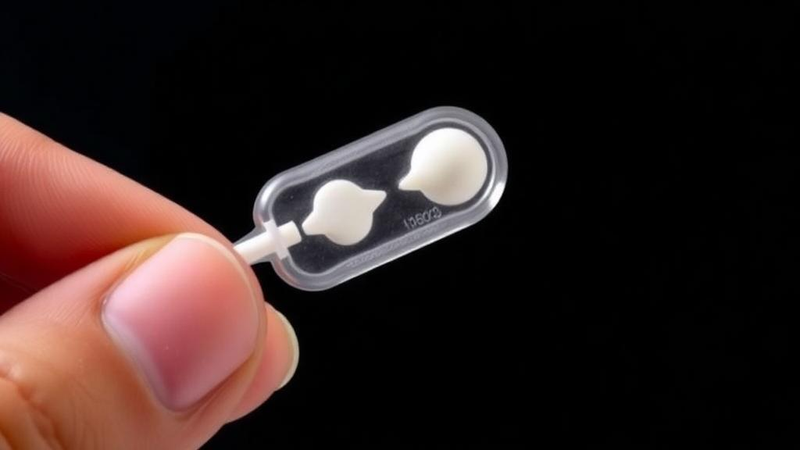
Researchers have developed Lollylab, a lollipop-shaped device that measures acetaminophen levels in saliva in under two minutes using a graphene sensor, offering a noninvasive testing method.
Researchers at Khalifa University have developed hybrid membranes using gallic acid-functionalized MXene, achieving over 95% rejection of dyes and pharmaceuticals in wastewater treatment tests.
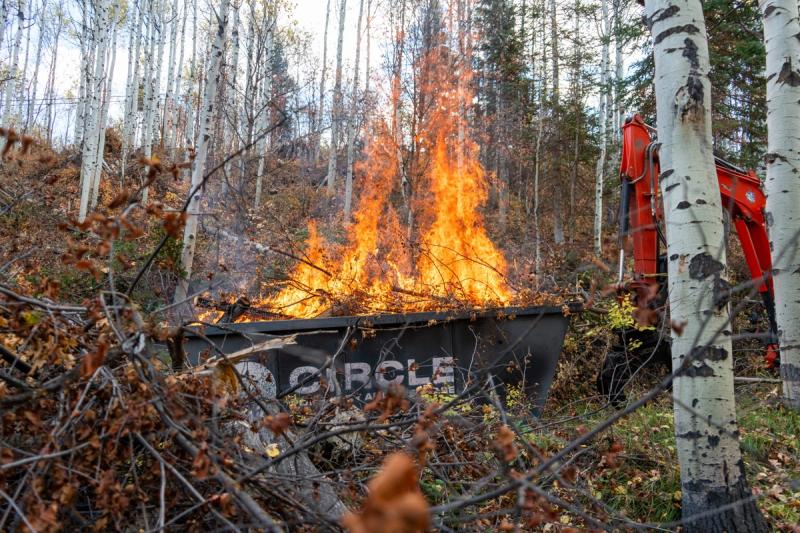
Park City is piloting biochar production in Thaynes Canyon to reduce wildfire risks and improve soil health. The project covers 200 acres and aims to enhance water retention.
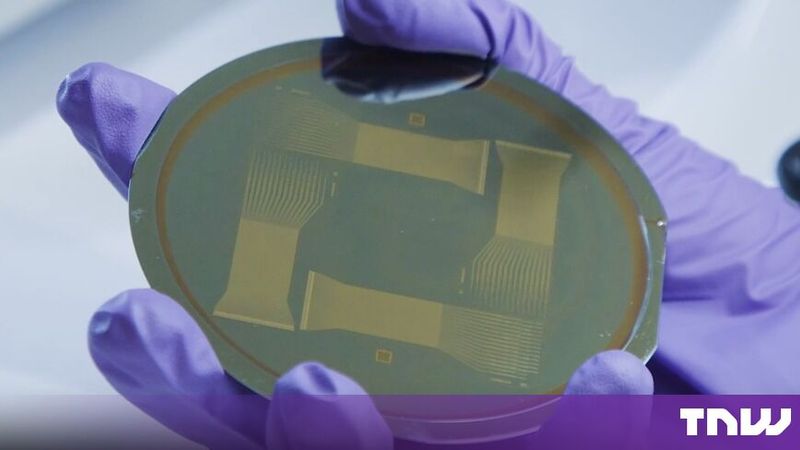
Researchers in the EU-funded MINIGRAPH project developed a magnetic robot to implant graphene electrodes in the brain along curved paths.
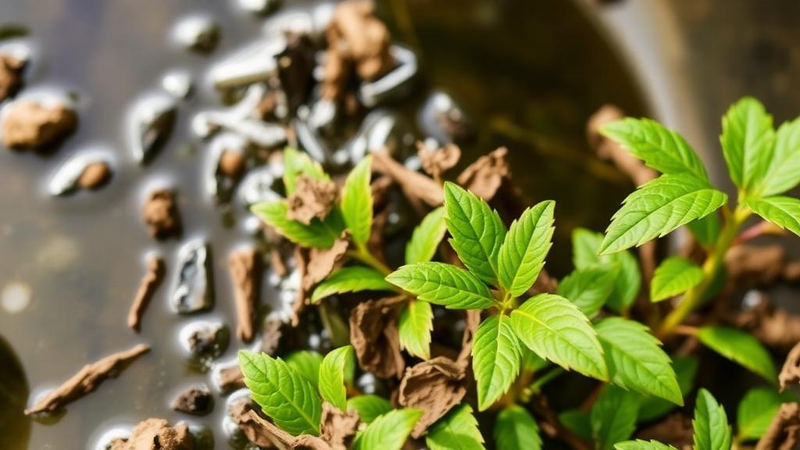
Researchers at Northeast Normal University developed a nano-magnesium oxide modified pyro-hydrochar from Rhus typhina biomass, achieving a fluoride adsorption capacity of 469.64 mg/g, outperforming other magnesium oxide adsorbents.
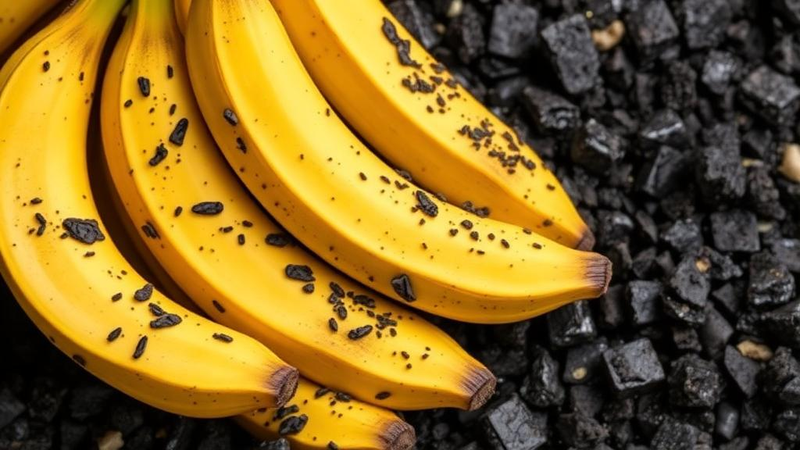
Researchers in Qatar discovered that non-activated biochar from banana peels increased biocrude yield from sewage sludge to 37.88%, thanks to its high potassium content.
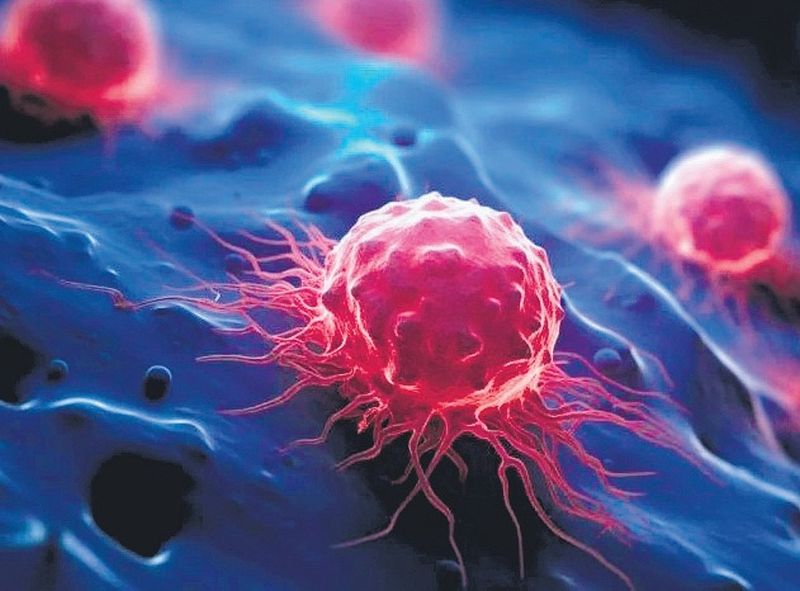
Researchers at BEMMS, in collaboration with ICMR-NARFBR, developed a nanocarbon compound showing up to 90% effectiveness in destroying breast cancer tumor tissue in preclinical mouse studies.
Get updates on advanced carbon materials. Choose your interests in the preference centre.
Access market intelligence, standards, and the global carbon materials network.
Become a member