News & Intelligence

Original reporting and market intelligence on advanced carbon materials.

Full intelligence on every material

For in-depth production methods, pricing dynamics, applications by sector, and verified company profiles, explore the ACC market reports covering each advanced carbon material.

View market reports

Materials
Coverage forConsulting and StrategyClear ×
Graphene Is Becoming an Ingredient, Not the Product
Opinion Article31 August 2026

Graphene Is Becoming an Ingredient, Not the Product

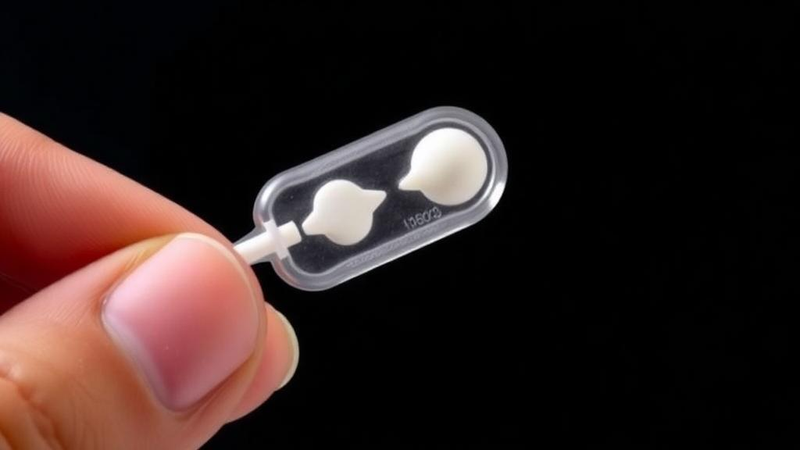
Graphene is being formulated, screened, qualified and packaged around specific applications. Some of those products are beginning to move through conventional distribution networks. That may be one of the clearest signs yet that parts of the graphene industry are maturing.

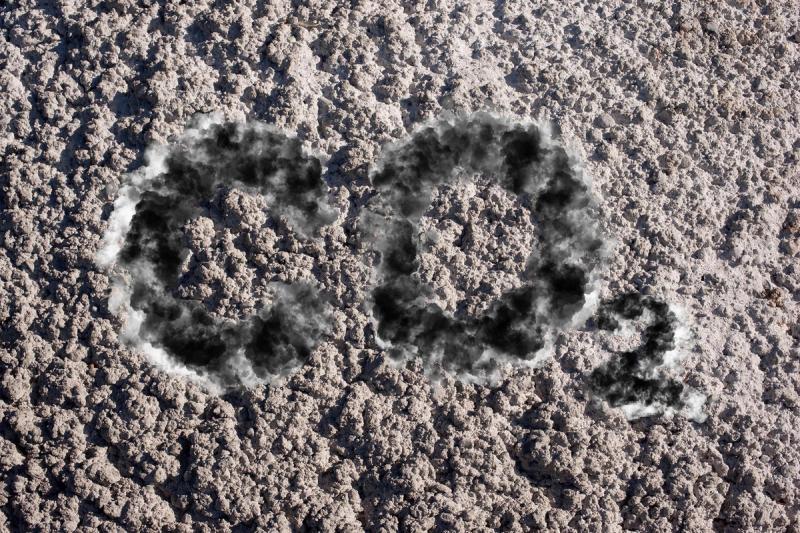
Where do we stand with CO₂ removal technologies?
News15 July 2026

Where do we stand with CO₂ removal technologies?

Researchers at the World Resources Institute report that current global CO₂ removal capacity is insufficient to meet the 2030 target of one billion tonnes, with technologies like Direct Air Capture and biochar facing high costs and scalability challenges. This shortfall impacts the advanced carbon materials sector, as these technologies are crucial for achieving net-negative emissions and supporting the sustainable use of biochar and other carbon-based solutions.

News14 July 2026

CHAR Tech welcomes Québec's $87 billion energy plan supporting biomass to renewable

The Government of Québec has announced its Plan de gestion intégrée des ressources énergétiques (PGIRE), committing $87 billion over 25 years to boost renewable energy, including forest bioenergy. This investment could significantly advance the production of renewable natural gas and biocarbon, both critical for decarbonizing industries reliant on carbon-based fuels.

Clean-water project at Hartley Nature Center shows success
News14 July 2026

Clean-water project at Hartley Nature Center shows success

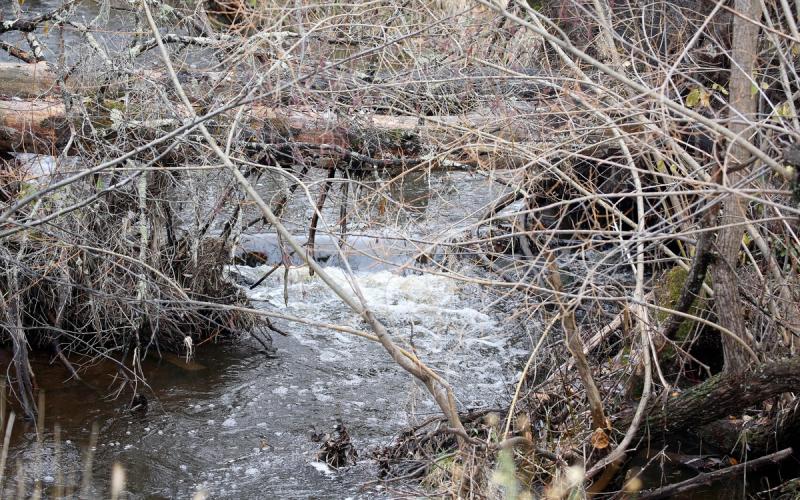
St. Louis County, the city of Duluth, and other partners have implemented a green-infrastructure project at Hartley Nature Center to divert and filter stormwater runoff from 117 acres, using biochar among other materials to remediate contaminants. This initiative is significant for advanced carbon materials as it utilizes biochar, a form of carbon, to improve water quality by removing pollutants, benefiting ecosystems connected to Lake Superior.

Singapore accepts first composite superstructure for Victory combat ship
News13 July 2026

Singapore accepts first composite superstructure for Victory combat ship

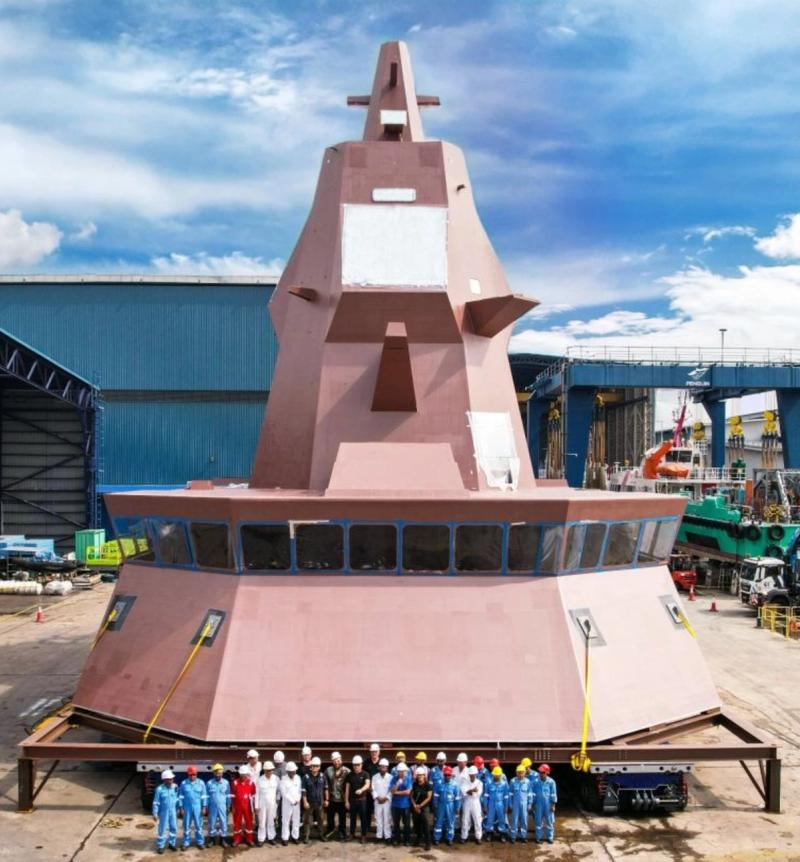
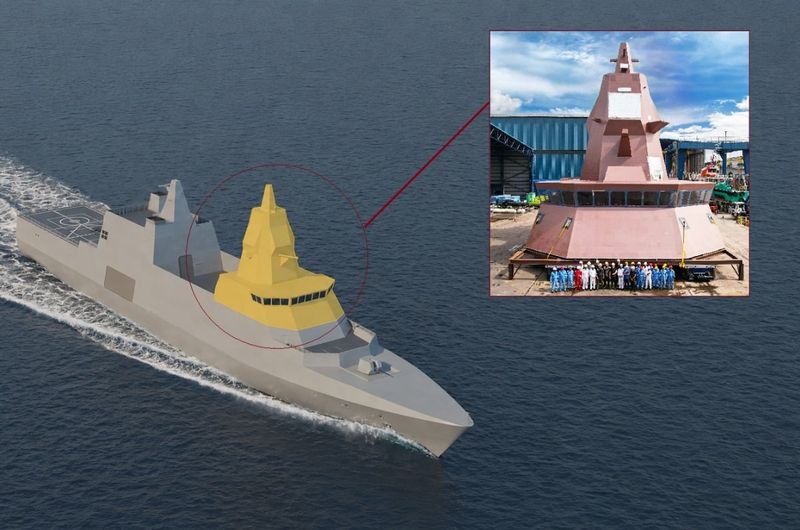
Swedish defense contractor Saab and Singapore's Penguin Shipyard International have delivered the first carbon-fiber composite superstructure for the Republic of Singapore Navy’s Victory-class Multi-Role Combat Vessel program. This integration of carbon-fiber materials into naval shipbuilding offers advantages such as reduced weight and radar cross-section, which are critical for modern combat vessel performance and efficiency.

News10 July 2026

Chinese scientists convert farm waste into high-value biochar in green tech breakthrough

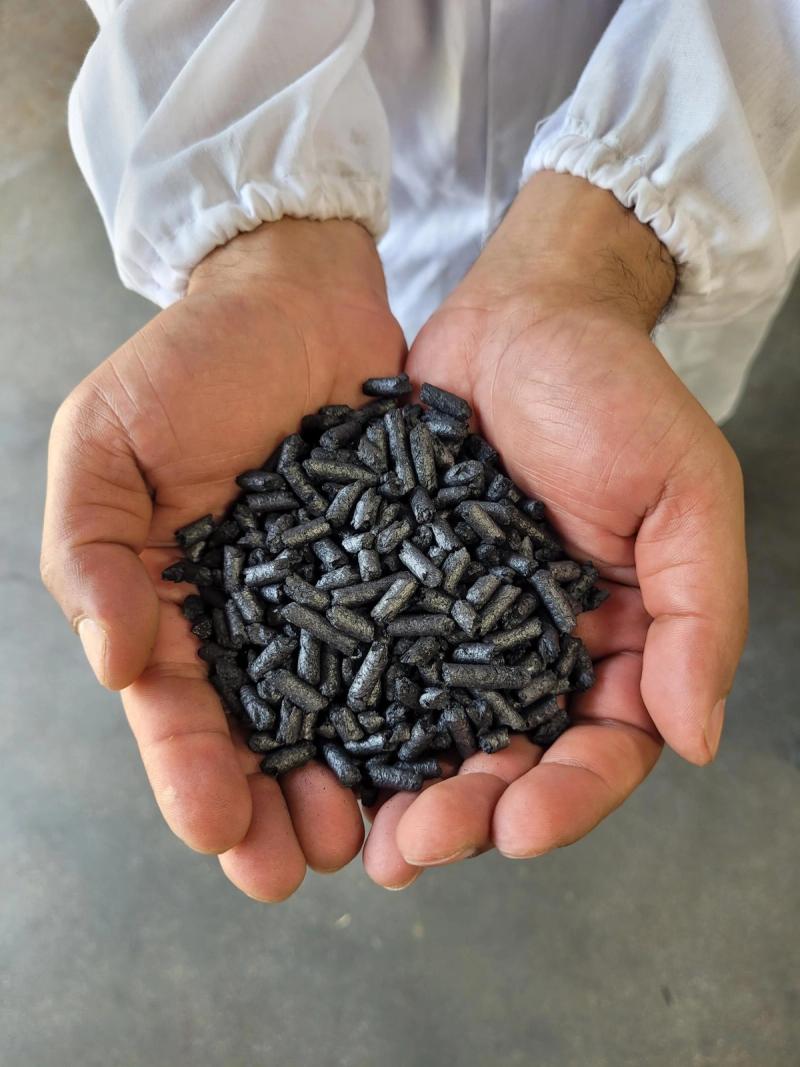
Researchers at the Institute of Environment under the Hefei Comprehensive National Science Center have developed a technology for large-scale biochar production from agricultural and forestry biomass, capable of producing over 50,000 tonnes annually. This advancement in biochar technology supports environmental sustainability by transforming agricultural waste into a high-value carbon-rich material, with applications in soil enhancement, energy storage, and more.

Study tracks toxic chemical from tire pollution in Hillsborough River
News10 July 2026

Study tracks toxic chemical from tire pollution in Hillsborough River

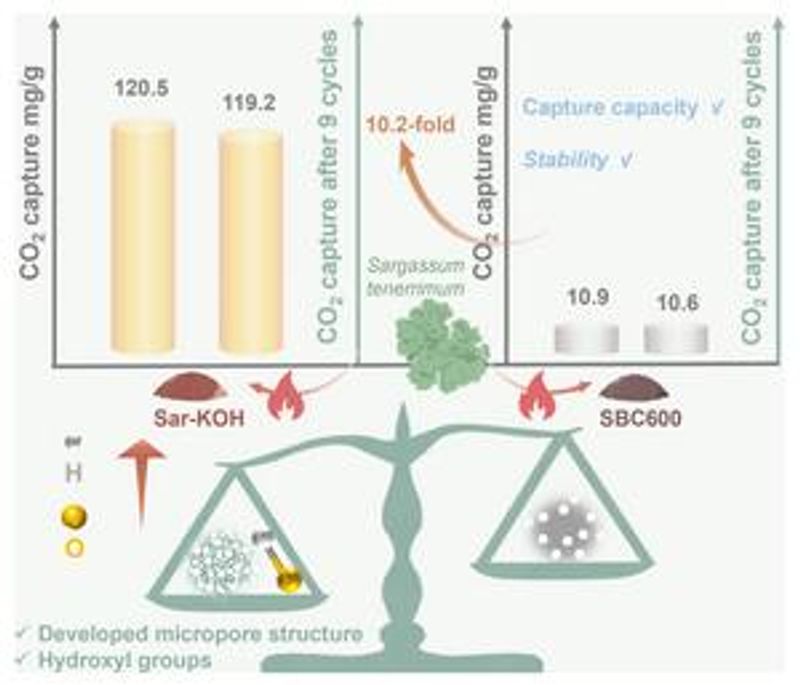
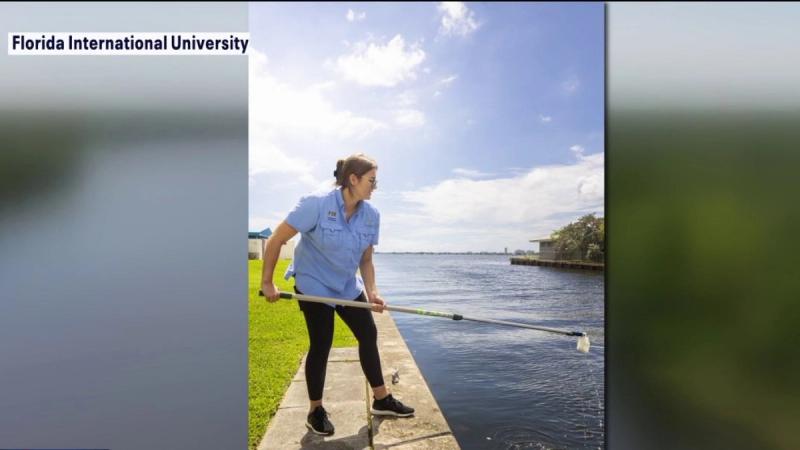
Researchers at Florida International University have found that a water sample from the Hillsborough River near downtown Tampa contained 12 nanograms per liter of 6PPD-Q, a toxic chemical from tire wear, exceeding the EPA benchmark of 11 nanograms per liter. This study highlights the potential of using sargassum-based biochar to filter out harmful pollutants, which could protect Florida's aquatic ecosystems from the adverse effects of tire-derived chemicals.

Biochar and smart water could make rice safer in polluted soils
News10 July 2026

Biochar and smart water could make rice safer in polluted soils

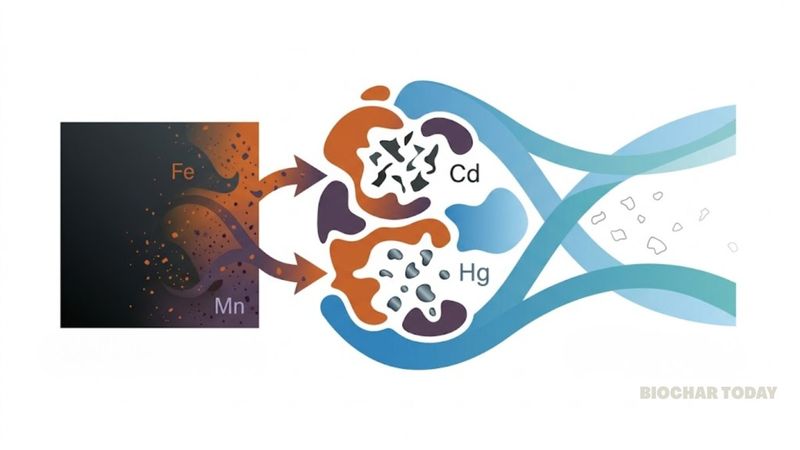
Researchers from the study published in Biochar have demonstrated that using iron and manganese modified biochar (FMBC) with specific irrigation strategies can significantly reduce cadmium and mercury levels in rice grown in co-contaminated paddy fields. This approach could enhance the safety of rice by stabilizing these metals and reducing their uptake, offering a viable solution for managing heavy metal contamination in agricultural soils.

Himachal's first biochar project targets fires, carbon, and rural livelihoods
News10 July 2026

Himachal's first biochar project targets fires, carbon, and rural livelihoods

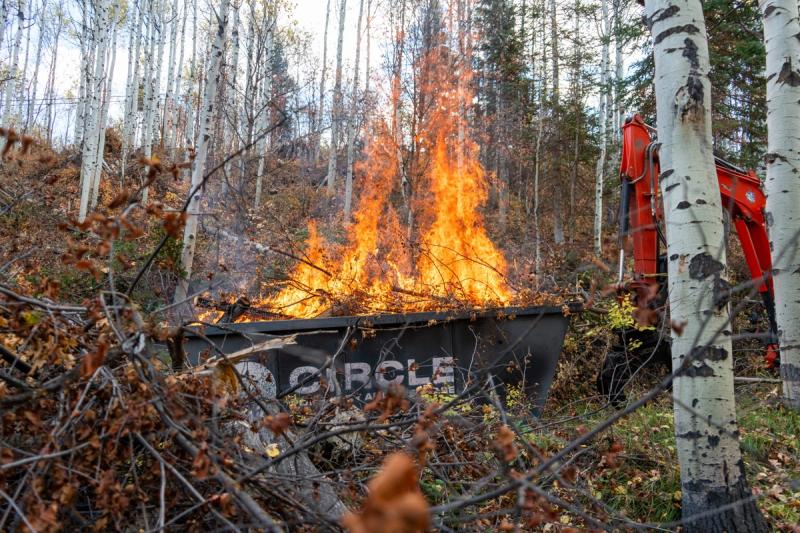
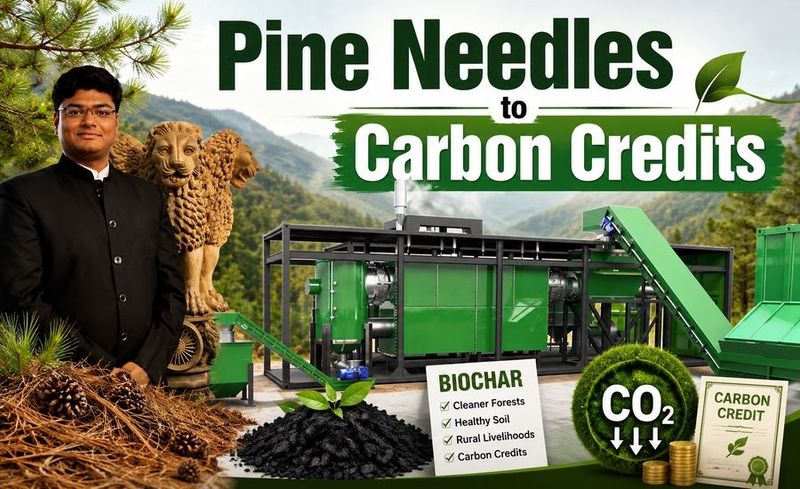
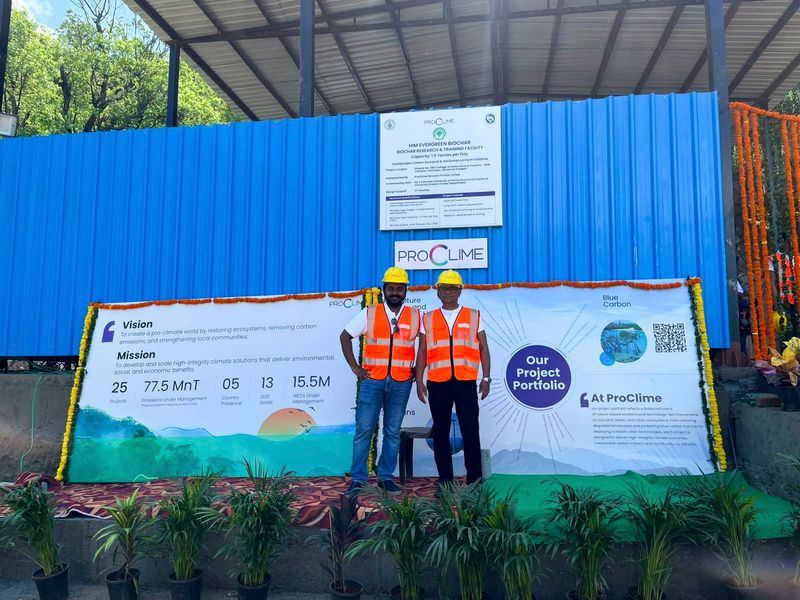
The Government of Himachal Pradesh, in collaboration with Dr Y.S. Parmar University of Horticulture and Forestry and ProClime Services Private Limited, has launched India's first indigenous biochar project in Hamirpur district, aiming to convert forest biomass into biochar to reduce fire risks and generate carbon credits. This initiative is significant for the advanced carbon materials sector as it transforms waste biomass into biochar, a stable carbon-rich material, thereby contributing to carbon sequestration and offering a sustainable model for forest management and rural livelihoods.

Barcelona tests olive-pit asphalt that stores CO2 for decades
News10 July 2026

Barcelona tests olive-pit asphalt that stores CO2 for decades

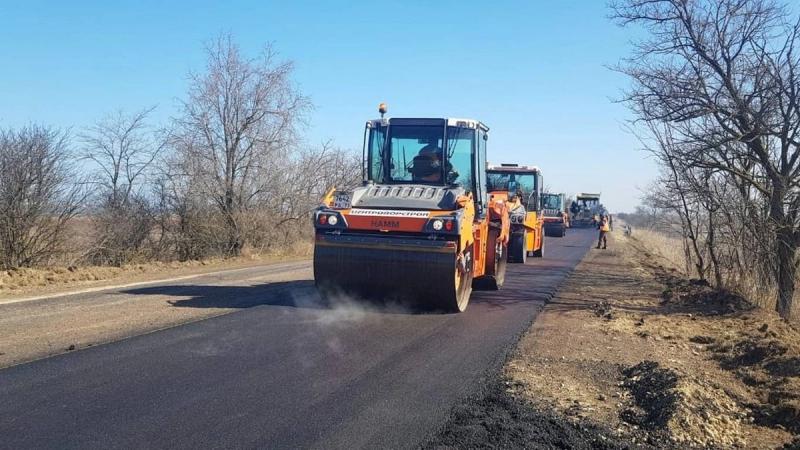
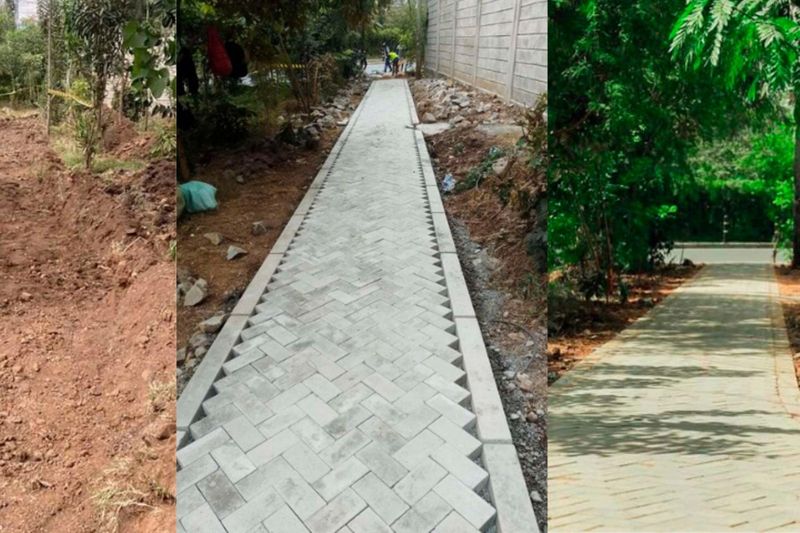
Barcelona City Hall, in collaboration with the BIT Habitat foundation and BIMSA, is trialling asphalt mixed with biochar from olive pits and pine biomass, starting in September with monitoring through 2027. This initiative aims to reduce CO2 emissions by up to 76% and store carbon in the road itself, potentially transforming road infrastructure into a long-term carbon sink using biochar.

International Virtual Institute and COMLURB convert urban waste into energy
News10 July 2026

International Virtual Institute and COMLURB convert urban waste into energy

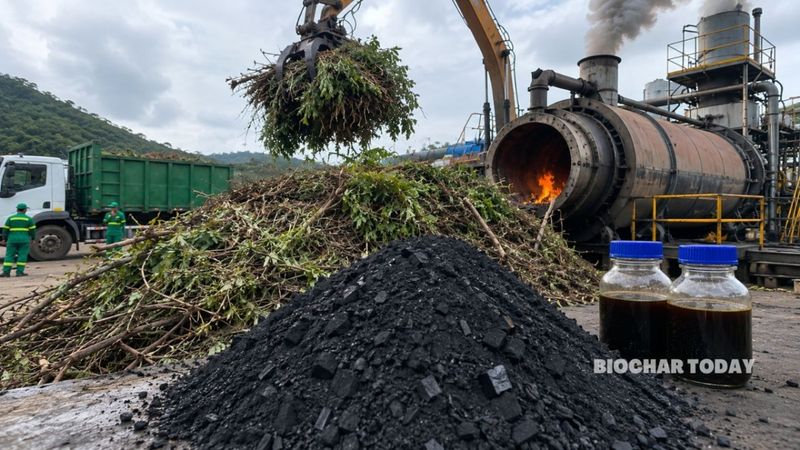
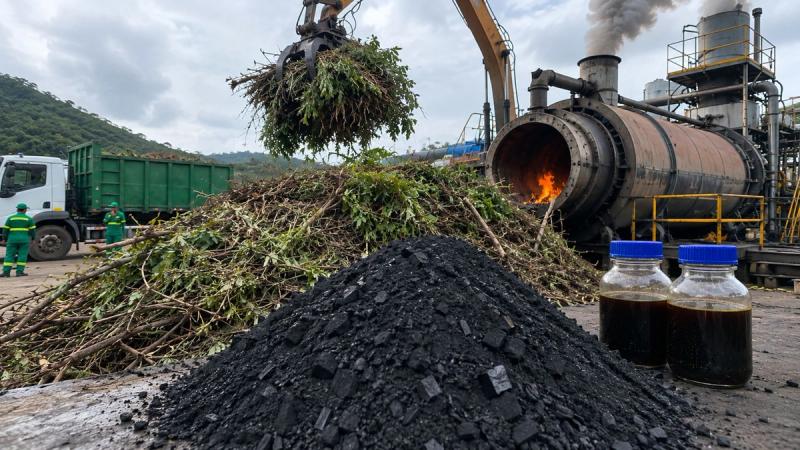
The International Virtual Institute of Global Changes and COMLURB have converted approximately one ton of urban tree trimmings in Rio de Janeiro into 300 kilograms of biochar and pyrolytic oil using pyrolysis. This initiative transforms municipal green waste into valuable resources for soil improvement and energy research, highlighting a sustainable approach to waste management in the carbon materials sector.

Does the new mineral policy address industry concerns?
News9 July 2026

Does the new mineral policy address industry concerns?

The Morning reports that India's new mineral policy includes guidelines for the treatment and potential sale of effluent generated during the production of reduced graphene oxide. This development could impact the graphene industry by providing a framework for managing waste and potentially creating additional revenue streams from effluent sales.

Brazil converts urban tree trimmings into biochar and pyrolytic oil in pioneering project
News6 July 2026

Brazil converts urban tree trimmings into biochar and pyrolytic oil in pioneering project

Researchers at the International Virtual Institute of Global Changes, COPPE/UFRJ, in partnership with COMLURB, have converted one ton of urban pruning waste in Rio de Janeiro into approximately 300 kilos of biochar and pyrolytic oil. This initiative demonstrates the potential of using urban plant waste as a raw material for producing carbon-rich biochar, which can be used as a soil conditioner and for carbon storage, contributing to sustainable waste management and decarbonization efforts.

Singapore builds its largest composite warship piece
News6 July 2026

Singapore builds its largest composite warship piece

Penguin Shipyard International has completed and delivered the largest composite superstructure ever built in Singapore for the Republic of Singapore Navy's new Multi Role Combat Vessel, with the first of six structures handed over to Saab on June 27, 2026. The use of carbon fiber composites in the superstructure reduces weight and radar cross-section, enhancing the ship's stability and stealth capabilities compared to conventional steel designs.

Bakkafrost Scotland showcases Applecross RAS facility during ministerial visit
News6 July 2026

Bakkafrost Scotland showcases Applecross RAS facility during ministerial visit

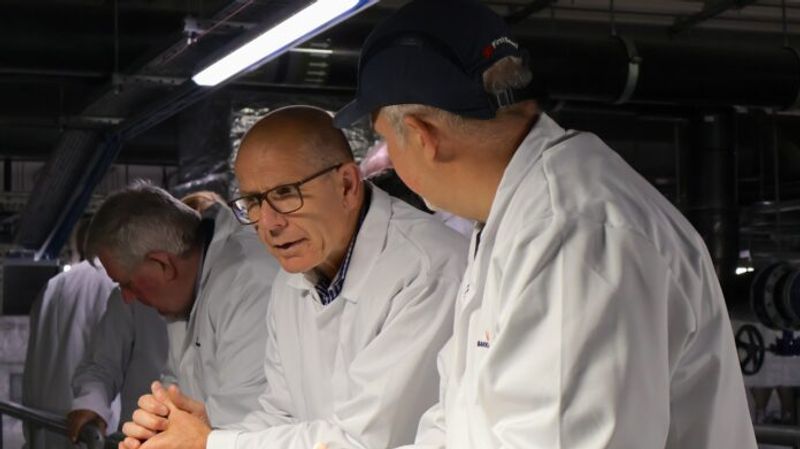
Bakkafrost Scotland showcased its Applecross recirculating aquaculture system (RAS) facility during a visit by Scotland’s marine minister, highlighting its strategy of rearing salmon longer in freshwater conditions. The facility plans to install pyrolysis technology to convert hatchery waste into biochar, aligning with efforts to reduce environmental impact and enhance sustainability in aquaculture.

Cannot Rewrite Title Without Full Original
News2 July 2026

Cannot Rewrite Title Without Full Original

South Korea's Ministry of Science and ICT rated four of its 14 Small-scale R&D Zones—Seoul Hongneung, Pohang, Incheon Seo-gu, and Jinju—as "Excellent" in the 2025 annual evaluation, with Pohang's zone directing roughly 11 billion won toward Graphene Square and POSTECH to build the world's first mass-production plant for graphene film. The Pohang result signals growing state-backed infrastructure for scaling graphene manufacturing, a persistent bottleneck for the advanced carbon materials sector.

DENSO North America Foundation Awards Nearly $200,000 to Expand Hands ...
News1 July 2026

DENSO North America Foundation Awards Nearly $200,000 to Expand Hands ...

Cal Poly Pomona's College of Engineering received a $198,100 grant from the DENSO North America Foundation to fund advanced manufacturing equipment, including a large-scale carbon fiber 3D printer and an industrial multi-material printer, for student use. The addition of industrial-grade carbon fiber 3D printing at the undergraduate level expands hands-on access to composite fabrication technology that is otherwise largely confined to professional industry settings.

Graphene quantum dot gold nanocomposite for drug-free antibacterial wound treatment
News1 July 2026

Graphene quantum dot gold nanocomposite for drug-free antibacterial wound treatment

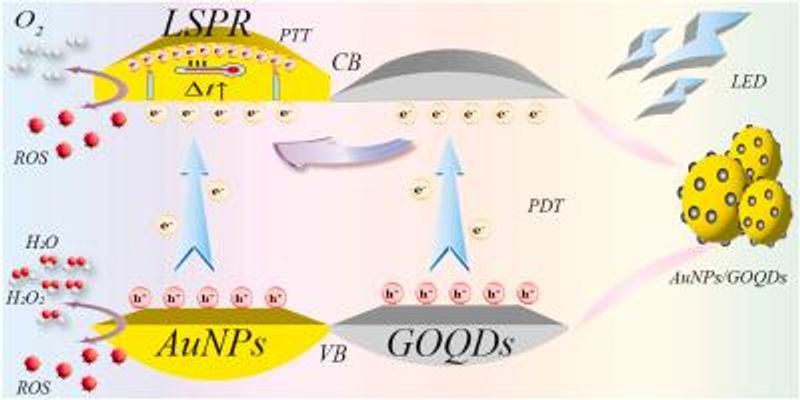
Researchers at Gannan Medical University and Shanghai University developed a gold nanoparticle–graphene oxide quantum dot (AuNPs/GOQDs) Schottky junction nanocomposite that achieved over 97% bacterial eradication in vitro and approximately 99% wound closure in mice within 9 days under 460 nm LED irradiation. The work advances graphene quantum dot applications by demonstrating that pairing GOQDs with AuNPs suppresses charge recombination to boost reactive oxygen species output while simultaneously enhancing photothermal conversion, offering a drug-free pathway to address multidrug-resistant infections.

OCSiAl named supplier of carbon nanotubes for PowerCo's Unified Cell batteries
News1 July 2026

OCSiAl named supplier of carbon nanotubes for PowerCo's Unified Cell batteries

OCSiAl has been named a single-wall carbon nanotube supplier to Volkswagen Group's battery subsidiary PowerCo for its Unified Cell platform, with supply coming from OCSiAl's audited production facility in Serbia. The deal extends single-wall carbon nanotube use into a major European automaker's standardized battery platform, where the material serves as a conductive additive in graphite anodes to improve conductivity, heat dissipation, and fast-charging performance.

Graphene thin films for neural interfaces
News1 July 2026

Graphene thin films for neural interfaces

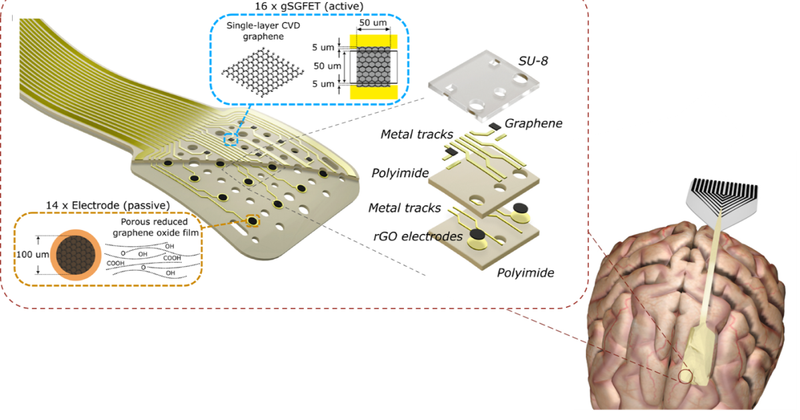
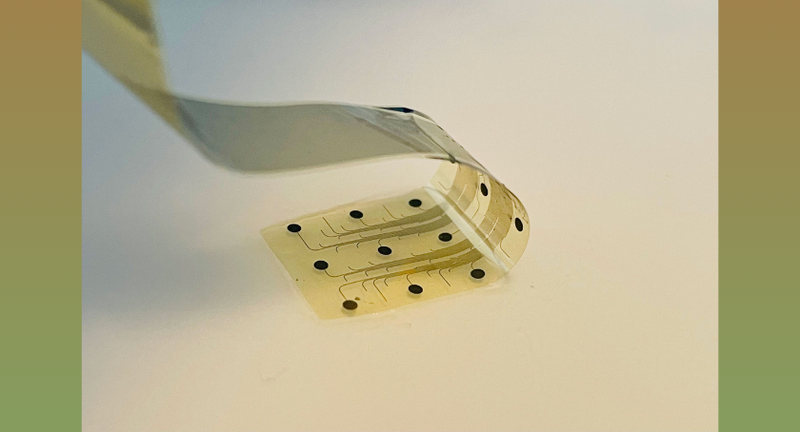
Researchers at ICN2, led by Jose A. Garrido, are developing graphene-based thin film devices for neural stimulation and recording, with work spanning device fabrication, in vivo testing in rodent and large-animal models, and clinical translation efforts. The work demonstrates a pathway for graphene to move from laboratory research into regulated medical devices, advancing the material's role in bioelectronics beyond conventional carbon fiber or composite applications.

INBRAIN Neuroelectronics Ends Enrollment in Study of Graphene Neural Interfaces
News1 July 2026

INBRAIN Neuroelectronics Ends Enrollment in Study of Graphene Neural Interfaces

INBRAIN Neuroelectronics completed enrollment of ten patients (eight treated) in a first-in-human trial of its graphene cortical interface, conducted during brain tumor resection surgeries at Northern Care Alliance NHS Foundation Trust, with no device-related adverse events or perioperative failures observed. The results support graphene as a viable electrode material for neural interfaces, with implications for the graphene sector as the technology advances toward clinical commercialization in brain-computer interface applications.

ECS Composites Drives Next Generation Carbon Fiber for Modern Military Demands
News1 July 2026

ECS Composites Drives Next Generation Carbon Fiber for Modern Military Demands

ECS Composites, headquartered in Grants Pass, Oregon, announced advances in its carbon fiber composite enclosures for military applications, claiming weight and thickness reductions of up to 50% compared to traditional fiberglass designs. The development reflects demand for lighter carbon fiber composites in defense protective systems, where weight reduction without loss of structural integrity is a key performance requirement.

US study evaluates occupational health risks of graphene nanomaterials
News30 June 2026

US study evaluates occupational health risks of graphene nanomaterials

US NIOSH researchers measured occupational exposures to graphene family nanomaterials (GFN) across 11 manufacturing facilities, finding that 38% of respirable samples and 53% of inhalable samples exceeded the suggested occupational exposure band of <10 µg/m³. The findings indicate that graphene producers and downstream processors face uncontrolled worker exposure risks, with primary manufacturers showing higher inhalable concentrations due to handling dry powdered materials.

News30 June 2026

From Scrap to Spar Where Recycled Carbon Fiber Actually Stands in Aircraft Structures

Boeing and Mitsubishi Chemical Advanced Materials are testing prototype cabin sidewall panels made from pyrolysis-derived recycled carbon fiber under Mitsubishi's KyronTEX material line, while separate simulation research found a scaled-down wing spar built from recycled carbon fiber performed within acceptable stress margins compared to a virgin-fiber equivalent. Recycled carbon fiber remains limited to non-structural or secondary aerospace applications due to unresolved fiber length, alignment, and surface sizing deficiencies, with primary structural qualification requiring years of additional testing and supply chain development.
University of Aveiro Researchers Develop Water Purifier from Industrial Waste
News30 June 2026

University of Aveiro Researchers Develop Water Purifier from Industrial Waste

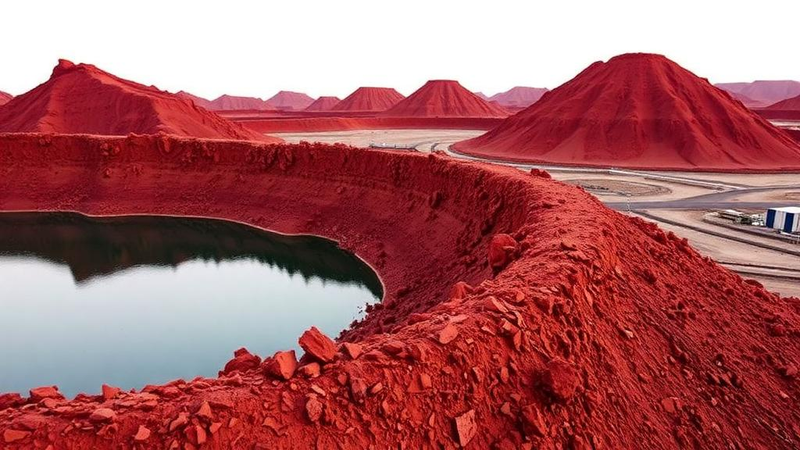
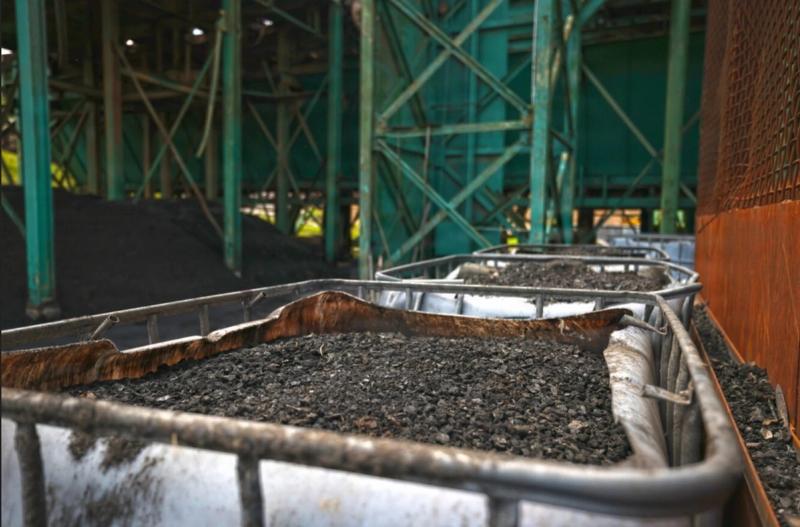
Researchers at the University of Aveiro developed 3D-printed filters from bauxite refining waste (red mud) that removed over 90% of the antibiotic ciprofloxacin within one hour under UV light. The work demonstrates a functional application for carbon nanotubes in photocatalytic water treatment using industrial byproducts, with the material retaining performance across multiple decontamination cycles.

Nanomaterials Could Help Italy Close Its Renewable Energy Storage Gap
News30 June 2026

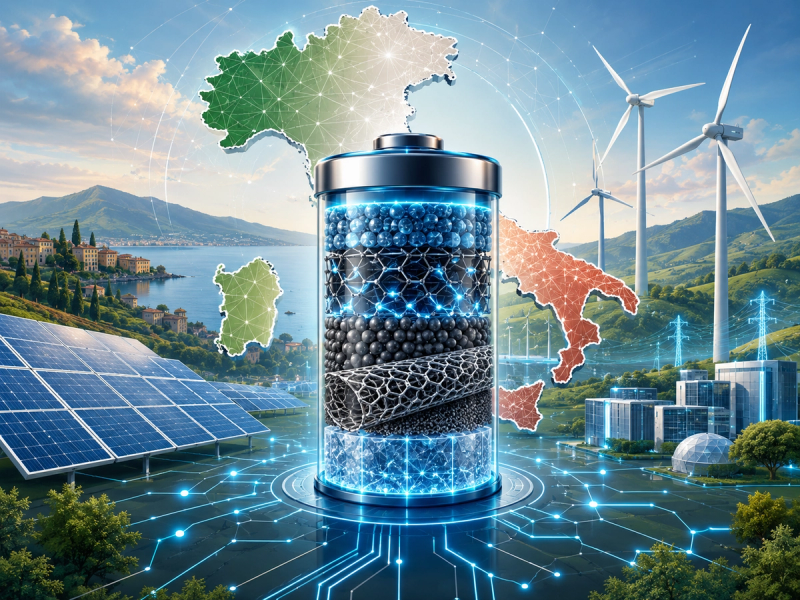
Nanomaterials Could Help Italy Close Its Renewable Energy Storage Gap
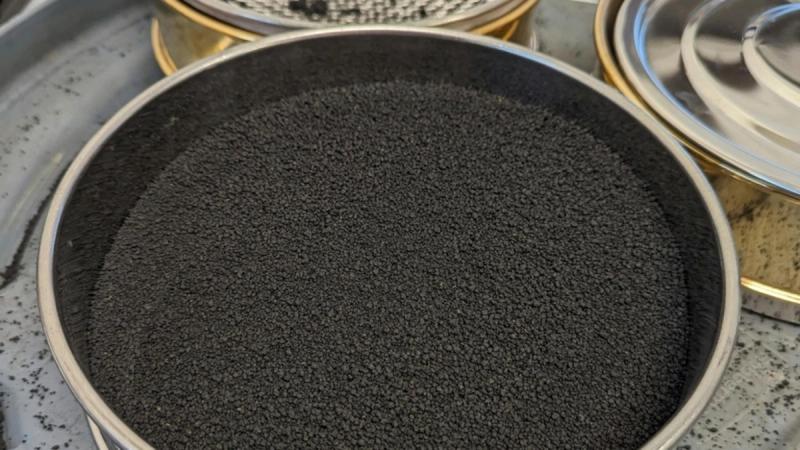
Graphene-based energy storage systems have been reported to reach energy densities up to 650 Wh/kg, compared to 150–250 Wh/kg for conventional lithium-ion batteries, according to a report focused on Italy's renewable energy storage needs. This performance gap highlights graphene's potential role in grid-scale storage applications, a key growth area for the advanced carbon materials sector.
EPFL Studies Water Behavior At A Few-Nanometer Scale
News30 June 2026

EPFL Studies Water Behavior At A Few-Nanometer Scale

EPFL researchers, led by Nikita Kavokine at the Quantum Plumbing Lab, are studying water confined to nanometer-scale channels and found that electromagnetic coupling between water molecules and channel wall electrons creates a friction mechanism not predicted by classical hydrodynamics. For the carbon nanotubes sector, this work helps explain the anomalously fast water flow observed through carbon nanotubes and points toward nanotube-based systems capable of converting hydraulic energy or improving filtration efficiency.

PowerCo selects OCSiAl nanotubes for battery additives
News30 June 2026

PowerCo selects OCSiAl nanotubes for battery additives

PowerCo, Volkswagen Group's battery subsidiary, selected OCSiAl to supply TUBALL single-wall carbon nanotube additives for the graphite anodes of its Unified Cell platform, manufactured at OCSiAl's Serbia facility. The deal expands the role of single-wall carbon nanotubes in large-scale EV battery production, with OCSiAl now supplying the majority of European EV battery manufacturers and planning a $300 million graphene nanotube facility in Luxembourg.

Why A Boeing 787 Or Airbus A350 Tail Strike Means Weeks In The Hangar While A 777 Does Not
News30 June 2026

Why A Boeing 787 Or Airbus A350 Tail Strike Means Weeks In The Hangar While A 777 Does Not

The Boeing 787 and Airbus A350 use carbon-fiber-reinforced composite materials for roughly 50% of their airframe by weight, making tail strike damage harder to detect and repair than on metal-fuselage aircraft like the Boeing 777, as illustrated by an Air France A350 that required nearly ten months of repairs after a 2024 tail strike in Toronto. For the carbon fiber composites sector, the article highlights that barely visible impact damage, complex non-destructive inspection requirements, and process-sensitive repair procedures drive significant maintenance downtime and cost, underscoring the need for advanced damage detection and repair capabilities in aerospace composite applications.

Industrial Water Treatment with Graphene and Antifouling
News30 June 2026

Industrial Water Treatment with Graphene and Antifouling

Researchers and engineers are evaluating graphene oxide and reduced graphene oxide as adsorbents, antifouling coatings, catalytic supports, and modified membrane layers within industrial water treatment systems targeting COD removal, biofouling control, and reverse osmosis feed protection. The graphene sector faces a clear scaling challenge, as industrial adoption of these carbon nanomaterials depends on demonstrating mechanical stability, resistance to chemical cleaning cycles, controlled delamination, and validated cost-per-cubic-meter performance in pilot tests using real effluent matrices.
News30 June 2026

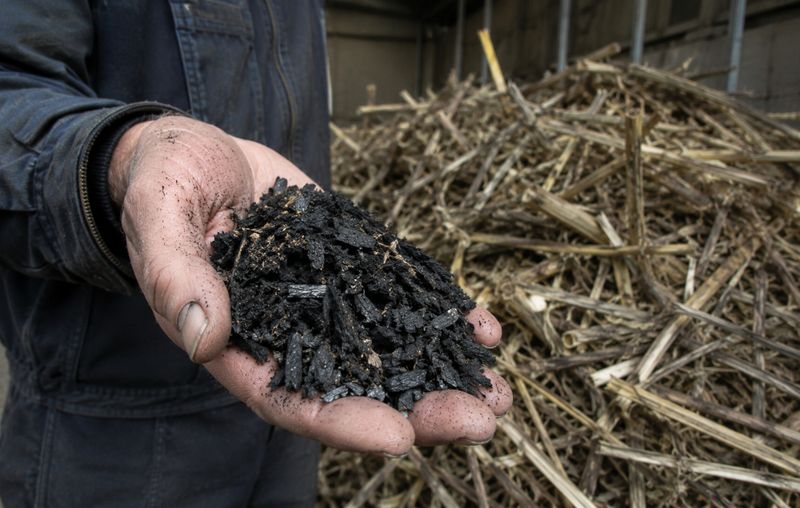
Materials Verification Measurement Standards and Maturation of Advanced Carbon Technologies
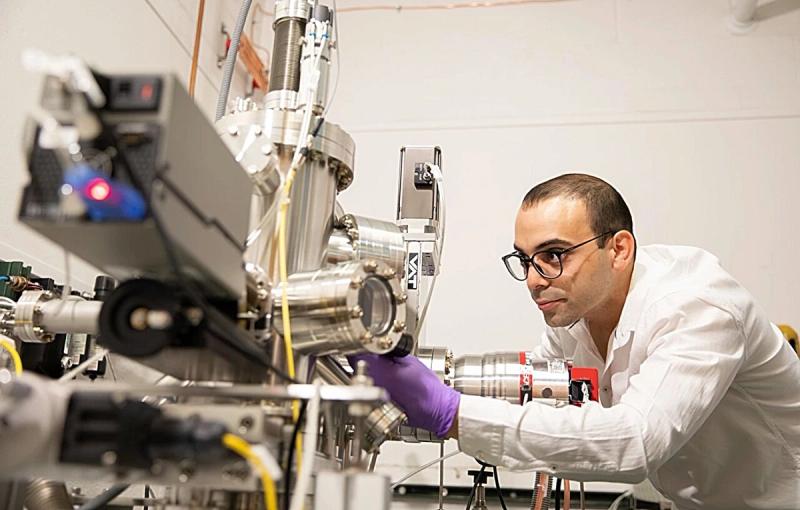
Terrance Barkan of the Advanced Carbons Council and Dr. Andrew Pollard of the UK's National Physical Laboratory discussed how measurement science, standardization, and materials verification underpin the commercialization of graphene and other advanced carbon materials. For the sector, the conversation highlights that without validated characterization methods and traceable measurement standards, reproducible manufacturing and scalable deployment of carbon nanomaterials — including graphene, carbon nanotubes, and emerging MXenes — remain unachievable.
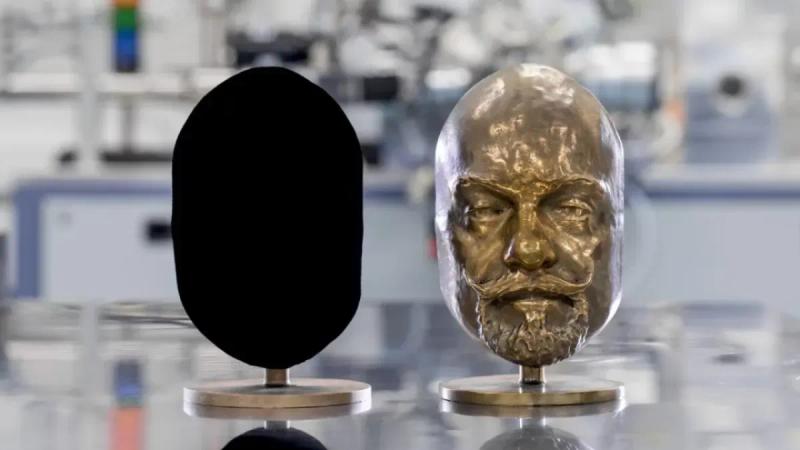

Marstrom Composite has signed a five-year framework agreement
News30 June 2026

Marstrom Composite has signed a five-year framework agreement

Marstrom Composite AB, a subsidiary of Scandinavian Astor Group, signed a five-year framework agreement worth approximately SEK 100 million with an undisclosed western defence company to supply structural composite components. The deal provides a long-term revenue base for Marstrom's carbon fibre composites business and signals growing demand for advanced composite structural parts in western defence programmes.

UJ researchers design efficient solar material for water treatment
News30 June 2026

UJ researchers design efficient solar material for water treatment

Researchers at the University of Johannesburg fabricated a three-layer nanocomposite photocatalyst (Ti1.33N@BiVO4/GdIn2Se3) incorporating a custom-synthesized MXene, achieving 20× greater electrical conductivity and charge-carrier lifetimes up to 59.5 seconds compared to single-component baselines. The MXene engineering approach demonstrates a pathway for improving charge-carrier retention in 2D carbon-adjacent materials, with direct relevance to MXene-based composite development for energy and environmental applications.

Jamco joins Japanese partners to recycle and reuse CFRP from retired aircraft
News29 June 2026

Jamco joins Japanese partners to recycle and reuse CFRP from retired aircraft

Jamco joined a NEDO-led Japanese consortium—including Nagoya University, Subaru, and JAXA—to develop a circular economy supply chain for recovering and reusing CFRP from retired aircraft. The project targets a persistent gap in the carbon fiber composites sector: the lack of validated processes and standards needed to reintroduce recycled CFRP into certified aircraft components.

Microwave biochar could help turn waste biomass into cleaner water and safer soils
News29 June 2026

Microwave biochar could help turn waste biomass into cleaner water and safer soils

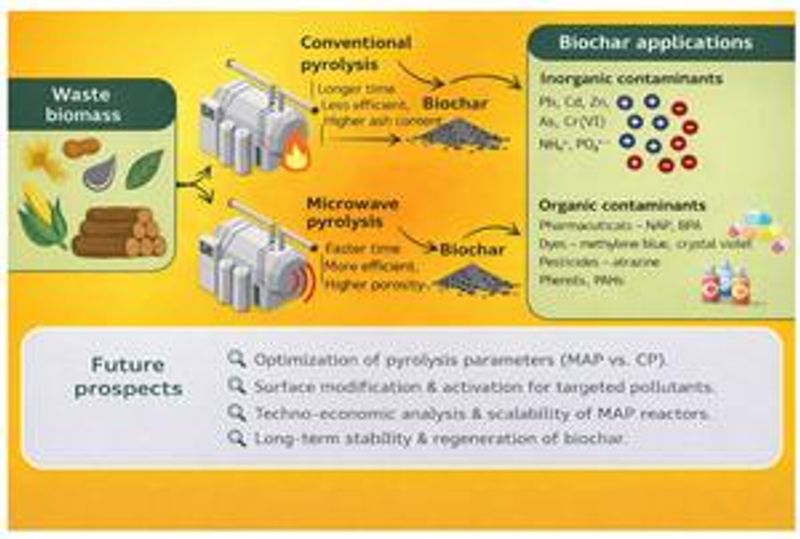
A review published in the journal *Biochar* compared conventional and microwave-assisted pyrolysis as production routes for biochar, finding that microwave-derived biochars typically exhibit higher surface area, stronger mesoporosity, and greater retention of functional groups relevant to pollutant capture. For the advanced carbon materials sector, the findings highlight biochar's expanding role beyond remediation into electrode materials and catalysis, while noting that reactor scale-up and energy balance challenges must be resolved before microwave-assisted pyrolysis reaches industrial viability.

Bolder advances European waste tire pyrolysis plant after receiving final permits
News29 June 2026

Bolder advances European waste tire pyrolysis plant after receiving final permits

Bolder Industries received final permits on 15 June 2025 to build an 86ktpa end-of-life tire pyrolysis facility at the Port of Antwerp-Bruges, to be developed in two phases with EU Innovation Fund co-funding. The plant will supply recovered carbon black at commercial scale to European markets, adding to Bolder's existing US operations in Missouri and Indiana.

Diverse European territories turn biowaste into local circular business opportunities
News29 June 2026

Diverse European territories turn biowaste into local circular business opportunities

The EU-funded HOOP project helped eight European cities and regions mobilise EUR 124 million to convert urban biowaste into circular bioeconomy outputs including biochar, biogas, bioplastics, and agricultural nutrients. Biochar production via pyrolysis emerged as a replicable pathway across multiple territories, with Kuopio (Finland) establishing an operational pilot plant and Münster (Germany) confirming technical feasibility, signaling growing municipal-scale demand for pyrolysis infrastructure relevant to the biochar sector.

Combining Iron Manganese Biochar with Strategic Irrigation Minimizes Grain Cadmium
News29 June 2026

Combining Iron Manganese Biochar with Strategic Irrigation Minimizes Grain Cadmium

Tong Sun and colleagues published a study in *Biochar* (2026) showing that iron-manganese oxide modified biochar combined with either continuous flooding or aerobic irrigation reduces grain cadmium to 0.05 mg/kg and total mercury to 0.02 mg/kg in co-contaminated rice paddies. The findings demonstrate a functional agricultural application for engineered biochar, where surface chemistry modifications directly determine remediation performance across competing heavy-metal pathways in soil.

From bin to biogas
News29 June 2026

From bin to biogas

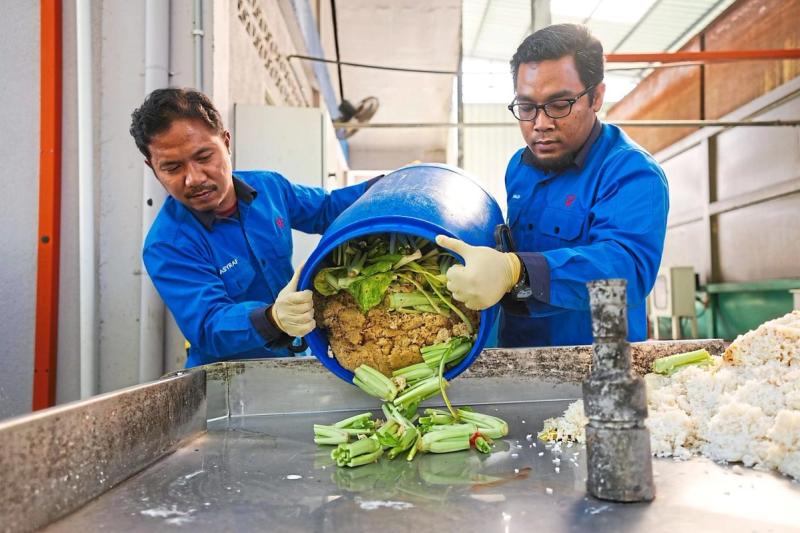
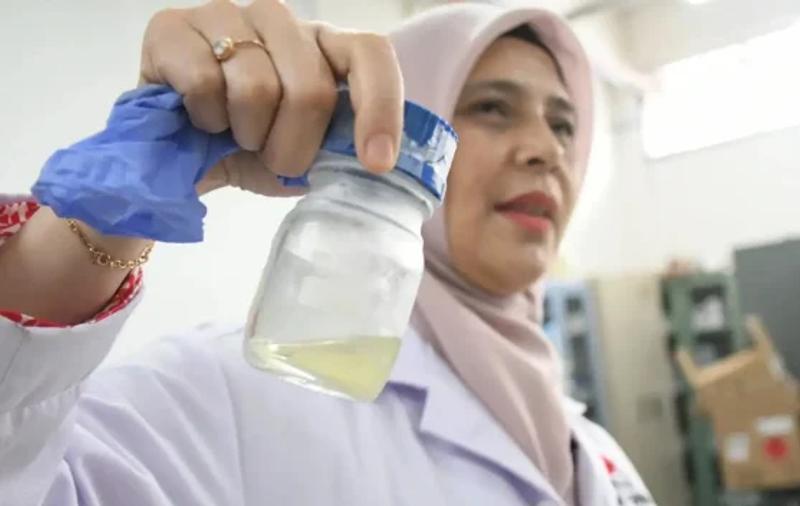
TNB Research has operated an anaerobic digestion and torrefaction pilot facility in Kajang since 2018, processing up to 350kg of food waste daily to produce biogas with 60–65% methane content and 10–30kg of biochar per torrefaction cycle. The biochar output is being evaluated for carbon material applications, soil improvement, and solid fuel enhancement, with data from the pilot intended to inform future scale-up decisions.

Anton Paar launches automated oil absorption tester for battery materials
News29 June 2026

Anton Paar launches automated oil absorption tester for battery materials

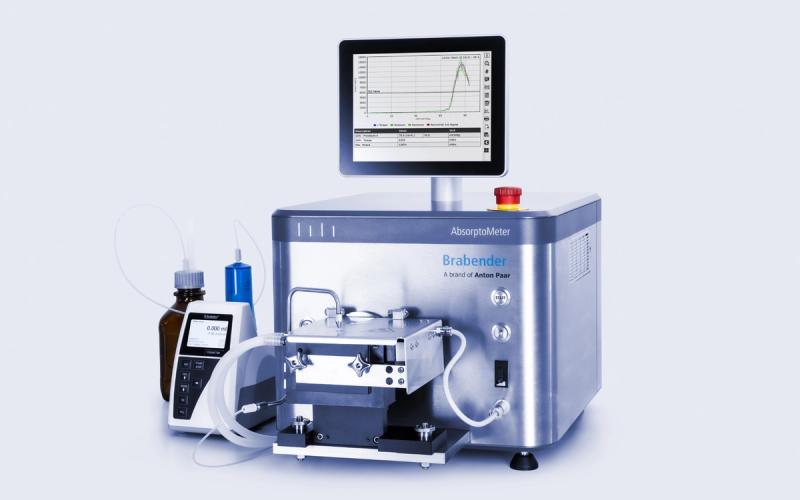
Anton Paar launched the Brabender AbsorptoMeter, an automated instrument that measures oil absorption numbers (OAN and COAN) in powders including carbon black, recovered carbon black, graphene, and battery electrode materials, supporting ASTM and ISO test methods. The system automates a previously manual testing process for carbon black and graphene characterisation, with software-controlled titration, real-time torque monitoring, and enterprise data integration via OPC UA and Brabender WebAPI.

The carbon removal market doesn't need more innovation, it needs the conditions to scale
News29 June 2026

The carbon removal market doesn't need more innovation, it needs the conditions to scale

Alastair Collier, chief R&D officer of A Healthier Earth, argues in this op-ed that the carbon removal sector's primary obstacle is no longer technological but structural, citing fragmented credit markets, misaligned procurement timelines, and the absence of durable policy frameworks as the core barriers to scale. For the biochar and broader CDR industry, the piece highlights that integrating high-integrity removals into mechanisms like the UK and EU ETS could provide the long-term demand signals and price certainty needed to move projects from pilots to industrial-scale infrastructure.

Advanced Carbons vs. Carbon Capture & Sequestration
Opinion Article23 June 2026

Advanced Carbons vs. Carbon Capture & Sequestration
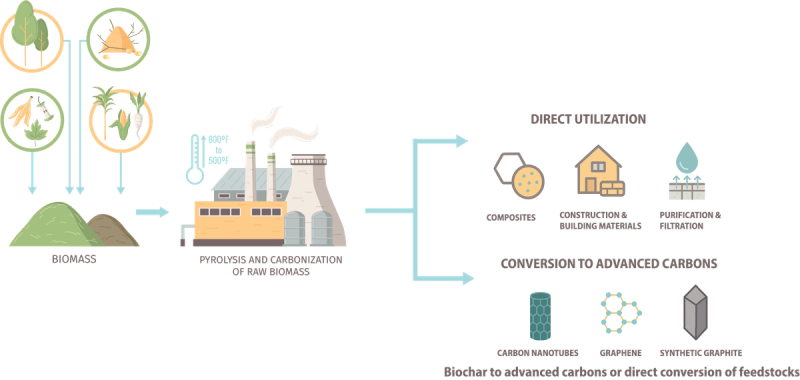
The Advanced Carbons Council published a position paper in May 2026 arguing that carbon credit financing should be redirected from geological carbon capture and sequestration toward conversion of captured carbon into advanced materials such as graphene, carbon fiber, biochar, and carbon nanotubes. The paper contends that carbon-to-materials conversion projects are commercially self-sustaining without ongoing subsidies, unlike CCS, and deliver compounding lifecycle emissions reductions across sectors including construction, aerospace, agriculture, and energy storage.

Building Better with Advanced Carbons
Opinion Article12 June 2026

Building Better with Advanced Carbons

The Advanced Carbons Council published an overview of graphene and other advanced carbon materials being adopted in construction, citing applications in concrete (Concretene, First Graphene, Versarien), asphalt, and corrosion-resistant coatings (Petronas). These developments indicate growing commercial deployment of graphene additives in construction materials, with documented performance gains in compressive strength, road durability, and steel protection at low material loadings.

Building Better with Advanced Carbons
Position Paper12 June 2026

Building Better with Advanced Carbons

The Advanced Carbons Council highlights graphene and related carbon materials being adopted in construction applications including concrete additives (Concretene, First Graphene), graphene-reinforced 3D-printed components (Versarien), asphalt modification, and corrosion-resistant coatings (Petronas). For the advanced carbon materials sector, construction has emerged as a leading commercial deployment area, with multiple suppliers demonstrating validated, scalable products that improve strength, durability, and emissions performance without requiring major process changes.

Brookhaven National Lab reveals new graphene band structure tunable by magnetic field
News10 June 2026

Brookhaven National Lab reveals new graphene band structure tunable by magnetic field

Researchers at Brookhaven National Laboratory used a 36 Tesla magnet to observe a previously unknown flat-band state in pristine graphene that emerges at integer multiples of an applied magnetic field, publishing the findings in Physical Review Letters. The tunable band structure could inform the design of graphene-based Hall sensors and resistance metrology standards.

GMG Applies for Additional Environmental Approvals for Graphene Production in USA
News10 June 2026

GMG Applies for Additional Environmental Approvals for Graphene Production in USA

Graphene Manufacturing Group (GMG) submitted a Significant New Use Notice (SNUN) to the US EPA on June 2, 2026, seeking authorization to manufacture, distribute, and sell graphene coatings, lubricants, and fluids domestically in the United States, with approval expected by end of June 2027. The filing marks a shift from export-only access to domestic graphene production in the US, which could establish a local graphene supply chain for industrial applications including HVAC coatings and engine lubricant additives.

Osaka University team builds graphene gas sensor that detects a single CO2 molecule
News10 June 2026

Osaka University team builds graphene gas sensor that detects a single CO2 molecule

A research team at Osaka University built a graphene nanoribbon-based gas sensor capable of detecting individual CO2 molecules at ambient pressure, achieving detection limits below 10 parts per trillion, as published in Nature Materials. The result demonstrates graphene nanoribbons as a viable platform for ultra-sensitive gas detection, with potential applications in environmental monitoring and medical breath analysis.

NeoGraf opens flexible graphite sheet line in Ohio for thermal interface market
News10 June 2026

NeoGraf opens flexible graphite sheet line in Ohio for thermal interface market

NeoGraf commissioned a new production line at its Lakewood, Ohio facility, adding 2,000 tonnes per annum of flexible graphite sheet capacity funded by a $38 million investment, bringing its total to 11,000 tonnes per annum. The expansion increases domestic supply of high-purity exfoliated graphite sheets for EV battery thermal management, where the material's in-plane thermal conductivity above 600 W/m·K at low density addresses a critical requirement for North American automotive manufacturers.

Premier Graphene partners with Mitsubishi Pencil on conductive inks
News10 June 2026

Premier Graphene partners with Mitsubishi Pencil on conductive inks

Premier Graphene Inc and Mitsubishi Pencil Company signed a joint development agreement to co-develop graphene-based conductive inks for printed electronics, targeting two co-branded product launches in late 2026 with a combined first-year revenue target of 12 million USD. The deal advances commercial adoption of single-layer graphene dispersions in printed electronics applications such as RFID tags, smart packaging, and biosensor electrodes.

News10 June 2026

HydroGraph Receives US EPA, UK REACH and EU REACH Clearances for Commercial Graphene Sales

HydroGraph Clean Power received US EPA TSCA Section 5(e) clearance for two turbostratic graphene materials (P-24-0086/P-24-0087) alongside UK REACH and EU REACH registrations, authorizing commercial manufacture and supply across the US, UK, and EU. The approvals remove a key regulatory barrier for graphene commercialization in three major markets, allowing customers to scale up applications under defined compliance conditions.

Advanced Graphene Products supplies graphene oxide to Boston Scientific for coating trial
News10 June 2026

Advanced Graphene Products supplies graphene oxide to Boston Scientific for coating trial

Advanced Graphene Products has begun supplying ISO 10993-certified graphene oxide from its Zielona Gora facility to Boston Scientific under a $4.2 million contract for a two-year, 480-patient FDA-approved clinical trial of antimicrobial-coated cardiac catheters. The trial represents a direct application of graphene oxide in regulated medical devices, with a potential commercial supply pathway if Boston Scientific proceeds to FDA submission.

HydroGraph Qualifies Hubron International as Fractal Graphene Compounding Partner
News10 June 2026

HydroGraph Qualifies Hubron International as Fractal Graphene Compounding Partner

HydroGraph added Hubron International, a Manchester-based masterbatch and conductive polymer compounder with over 90 years of experience, to its Fractal Graphene Compounding Partner Program on February 10, 2026. The partnership gives HydroGraph access to Hubron's global distributor network and established carbon nanomaterial processing capabilities, supporting broader commercial adoption of graphene in thermoplastic applications across automotive, electronics, and other sectors.

SK On signs five-year graphene additive supply contract with Hansolchemical
News10 June 2026

SK On signs five-year graphene additive supply contract with Hansolchemical

SK On signed a five-year, $180 million supply contract with Hansolchemical for 4,500 tonnes per annum of graphene additive for NCM811 cathodes, with shipments starting Q1 2027. The deal signals growing industrial-scale demand for graphene as a functional cathode additive in EV batteries, and will require Hansolchemical to expand its Gumi facility beyond its current 1,200 tonne per annum capacity.