Diverse European territories turn biowaste into local circular business opportunities
The EU-funded HOOP project helped eight European cities and regions mobilise EUR 124 million to convert urban biowaste into circular bioeconomy outputs including biochar, biogas, bioplastics, and agricultural nutrients. Biochar production via pyrolysis emerged as a replicable pathway across multiple territories, with Kuopio (Finland) establishing an operational pilot plant and Münster (Germany) confirming technical feasibility, signaling growing municipal-scale demand for pyrolysis infrastructure relevant to the biochar sector.
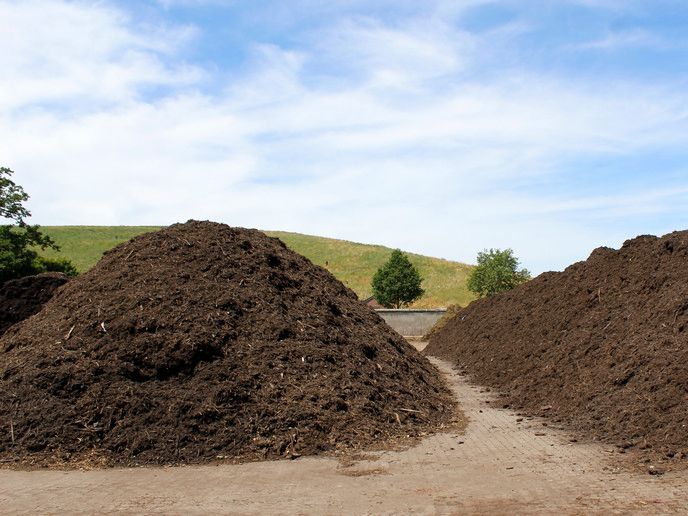
Eight European territories are transforming urban biowaste into valuable biomaterials, supported by the EU-funded HOOP project. This initiative has facilitated the mobilization of EUR 124 million for circular biowaste solutions, significantly exceeding initial investment targets. These efforts demonstrate a replicable model for biowaste valorization, including projects such as industrial symbiosis bioparks and pyrolysis reference centers.
In Almere, Netherlands, EUR 4.46 million was invested in a 'bio-fibre bank' that consolidates various innovation projects. This business-to-business model helps stabilize biomass feedstock supply and bioproduct demand. Bergen, Norway, has developed a EUR 43.76 million industrial symbiosis biopark, integrating insect farming, microalgae production, and anaerobic digestion to support aquaculture.
Greater Porto, Portugal, has committed EUR 53 million to an anaerobic digestion plant and nutrient recovery facility. This project aims to extract nutrients from household biowaste for agricultural fertilizers and convert composting residues to biochar through pyrolysis, benefiting the local agricultural sector.
Münster, Germany, a leader in biowaste collection, explored the use of pyrolysis for biochar production from wooden garden waste. The technical feasibility was confirmed, positioning Münster for large-scale development in biochar expertise. Kuopio, Finland, has established a pyrolysis reference center with a EUR 830,000 pilot plant, operational since 2023, offering testing services to local industries.
Murcia, Spain, has improved biowaste collection with a EUR 6.79 million investment, including EUR 550,000 for separate collection of used cooking oils. Albano Laziale, Italy, mobilized EUR 2.2 million for projects converting used cooking oils into bioplastics for cosmetics. Western Macedonia, Greece, invested EUR 72,500 in the separate collection of spent coffee grounds for valorization.
Biowaste Clubs in each territory have engaged over 1,500 stakeholders to identify barriers and develop solutions, shifting municipal focus from waste management to product development. The HOOP network of 129 European cities and regions now shares these insights through the Urban Circular Bioeconomy Hub, providing tools and guidance for sustainable biowaste management. The project has created 76 direct jobs and established a model for circular bioeconomy transition across Europe.
Source: Biochar Feed