15 articles on Plastics.
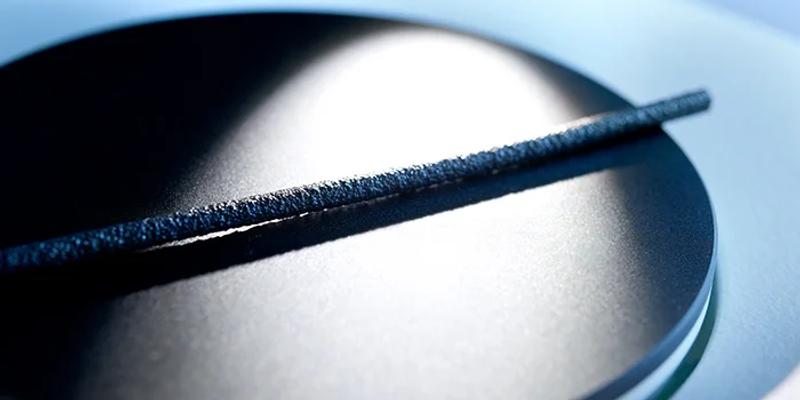
Xenia's HM Upgrade enhances carbon fiber-reinforced thermoplastics, increasing stiffness and strength.

An industrial study evaluates graphene masterbatch reinforcement in polyethylene blown film. At a 1% let-down ratio, the study reports mechanical-property gains and demonstrates 10% gauge reduction with retained tensile and puncture performance.

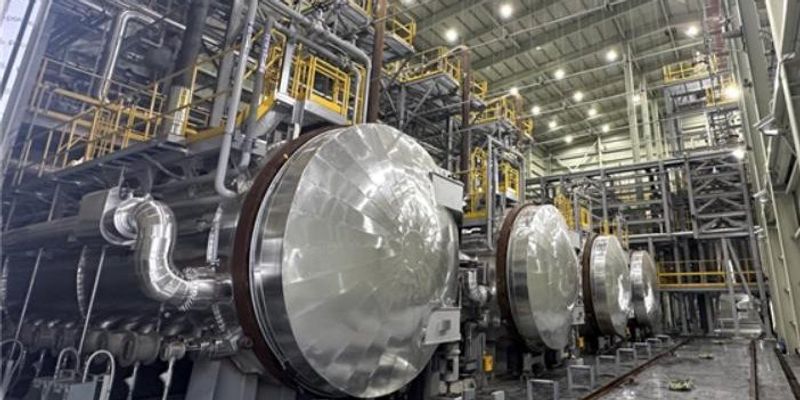
City Oil Field has developed the RGO system to extract oil from plastic waste in rural Korea.

In a video, HydroGraph CEO Kjirstin Breure discusses how their graphene enabled a biosensor company to create technology that wasn't possible with other commercially available graphenes.

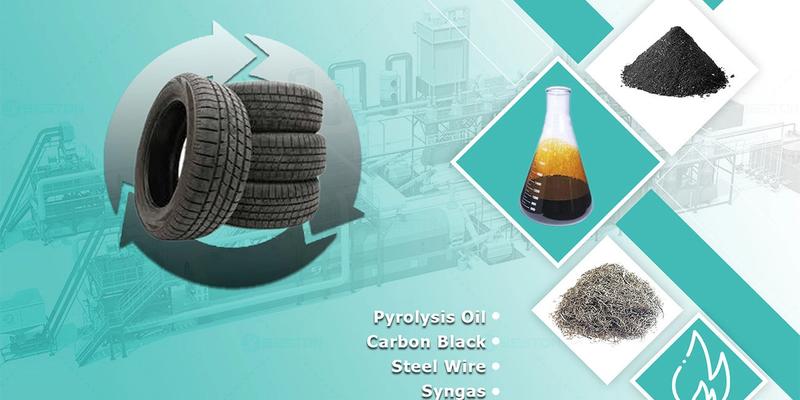
Operators can boost profits from tire pyrolysis by refining oil and carbon black into higher-value products. Upgraded materials meet industrial standards, attracting stable buyers and better margins.

HydroGraph has signed a 10-year agreement to purchase acetylene from Western International for its graphene production facility in Bellville, Texas. This deal secures a stable supply of a key feedstock for HydroGraph's graphene manufacturing, supporting consistent production and potential growth in the advanced carbon materials sector.

Toray Industries Inc. has developed a radiolucent carbon fiber-reinforced plastic component that reduces X-ray radiation doses. This advancement in CFRP technology is significant for medical imaging equipment, offering safer diagnostic procedures with lower radiation exposure.

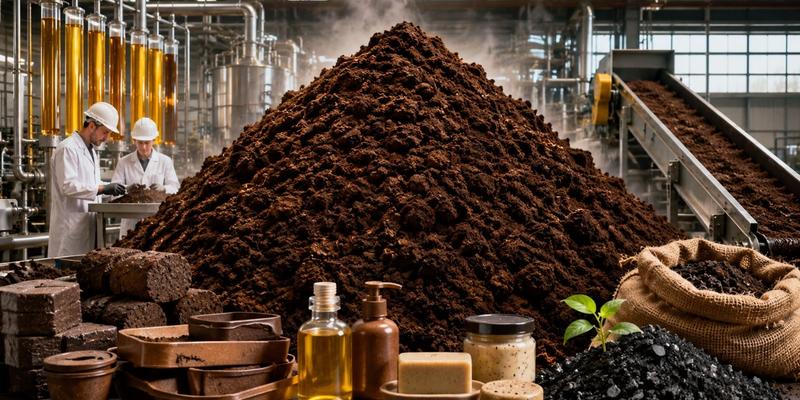
Coffee!Up in the Czech Republic is transforming used coffee grounds into products like natural soap, coffee oil, biomass, and biochar, as highlighted by the European Commission. This initiative is significant for the advanced carbon materials sector because it demonstrates the potential for waste coffee grounds to be converted into valuable materials such as biochar, which can improve soil health and contribute to carbon sequestration efforts.

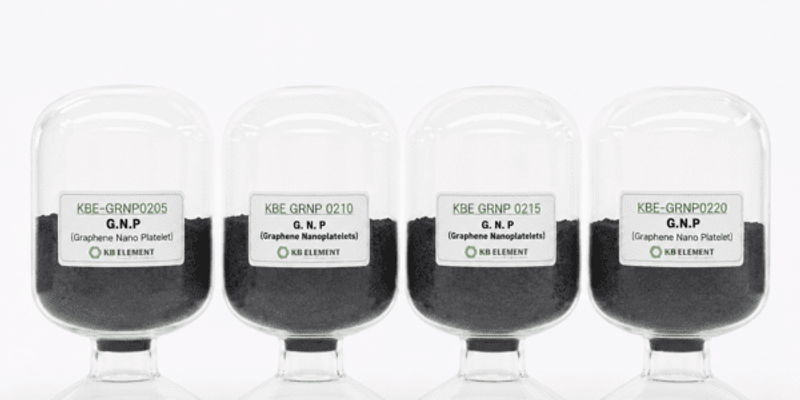
KB-Element will exhibit its non-oxidized graphene products, including graphene masterbatch pellets, at Nano Korea 2026 in Goyang, South Korea, from July 8 to 10. The company's plasma-based exfoliation process cuts production costs to roughly one-tenth of conventional methods, and its masterbatch format addresses graphene's longstanding dispersion challenges in polymer composites.

Canada's graphene sector has developed across production, construction, filtration, printed electronics, and energy storage, with companies such as NanoXplore operating a 4,000-metric-ton-per-year facility in Montréal and firms like Zentek and Graphene Leaders Canada advancing application-specific products toward commercial deployment. The ecosystem signals a shift from materials science demonstration toward repeatable industrial use cases in carbon-based composites, conductive additives, and separation technologies, though commercial viability still depends on product qualification, standardization, and cost competitiveness against incumbent materials.

Researchers at Shihezi University used phosphoric acid-activated walnut shell biochar to catalytically pyrolyze waste agricultural plastic mulch film at three temperatures (300, 350, 400 °C), finding that 350 °C maximized olefin selectivity at 69% while 400 °C reduced tar deposition and produced carbon deposits with lower activation energy for easier regeneration. The findings give biochar catalyst developers a temperature-based framework for balancing product selectivity against catalyst deactivation and regenerability in agricultural plastic pyrolysis systems.

Penn State researchers converted waste PET plastic bottles into synthetic graphite by blending shredded PET with 2.5% graphene oxide by weight and applying heat treatment, producing crystallite dimensions that exceeded those of natural graphite without metal catalysts. The metal-free process reduces post-processing steps needed to achieve battery-grade purity and could supply graphitic carbon for lithium-ion anodes and hard carbon for sodium-ion batteries from a single plastic waste feedstock.

The EU-funded HOOP project helped eight European cities and regions mobilise EUR 124 million to convert urban biowaste into circular bioeconomy outputs including biochar, biogas, bioplastics, and agricultural nutrients. Biochar production via pyrolysis emerged as a replicable pathway across multiple territories, with Kuopio (Finland) establishing an operational pilot plant and Münster (Germany) confirming technical feasibility, signaling growing municipal-scale demand for pyrolysis infrastructure relevant to the biochar sector.

Levidian and Zentek have signed an agreement to explore building a graphene-integrated manufacturing facility in the Middle East, combining Levidian's methane-derived graphene production with Zentek's graphene-enhanced air filters. The deal signals growing regional demand for graphene-enhanced products and positions the Middle East as an emerging hub for graphene manufacturing and deployment across multiple industries.
HydroGraph added Hubron International, a Manchester-based masterbatch and conductive polymer compounder with over 90 years of experience, to its Fractal Graphene Compounding Partner Program on February 10, 2026. The partnership gives HydroGraph access to Hubron's global distributor network and established carbon nanomaterial processing capabilities, supporting broader commercial adoption of graphene in thermoplastic applications across automotive, electronics, and other sectors.