Graphene nanoribbons withstand gamma radiation, showing potential for fusion reactor sensors
Researchers at the University of Arizona demonstrated that graphene nanoribbons can withstand gamma radiation, suggesting their potential use as radiation sensors in fusion reactors and deep space applications.
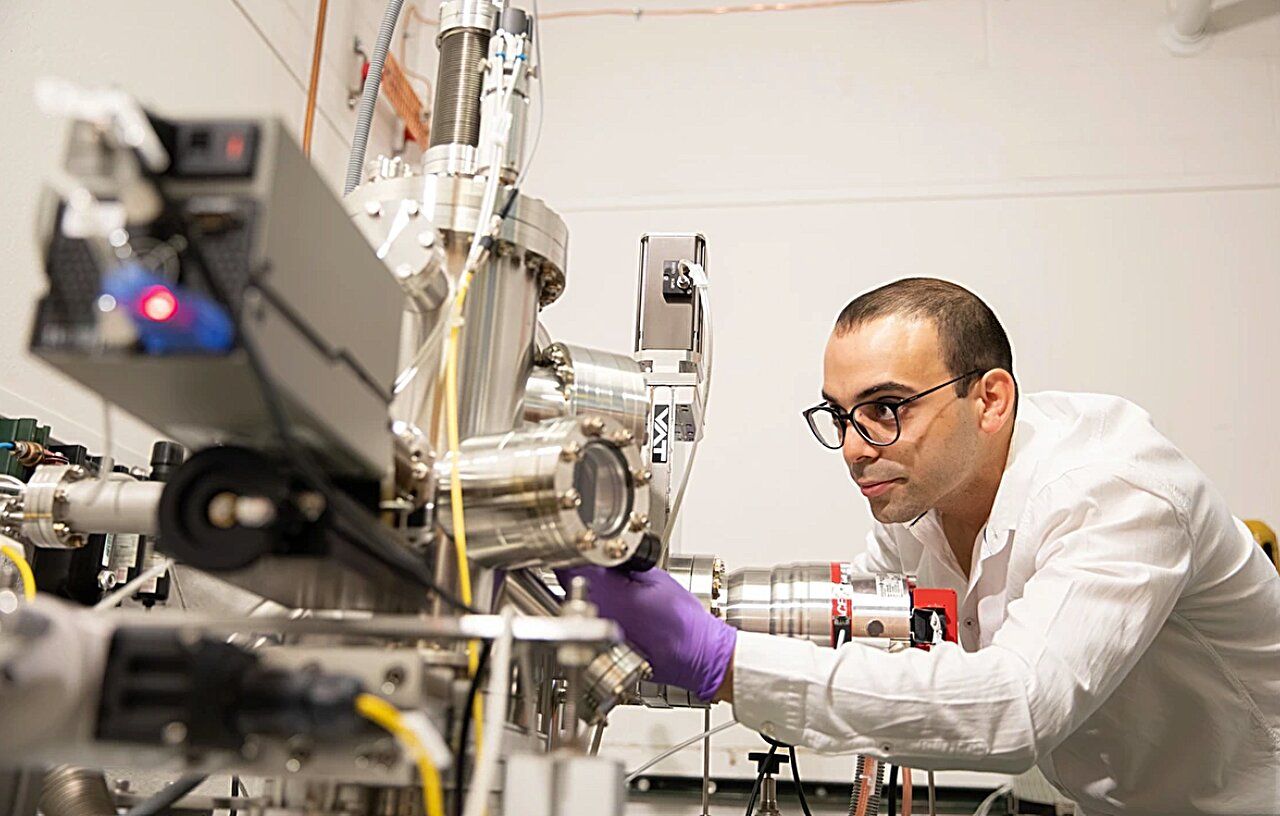
Researchers at the University of Arizona have demonstrated that graphene nanoribbons (GNRs), a nanoscale semiconductor material, can withstand gamma radiation, suggesting their potential use as radiation sensors in fusion reactors. This finding could address a significant challenge in integrating fusion energy into the electric grid.
The study, published in ACS Applied Materials & Interfaces, involved embedding GNRs into semiconductor devices and exposing them to gamma radiation. The results indicate that these nanoribbons could serve as effective radiation sensors in environments like fusion reactors and deep space, where intense radiation poses a challenge to current technologies. The ability of GNRs to maintain their atomic structure while providing a strong electrical response suggests they could be engineered to operate closer to reactor cores than existing electronics, potentially reducing the need for costly shutdowns.
Principal investigator Zafer Mutlu, an assistant professor at the University of Arizona, noted that the devices' electrical performance changed significantly after radiation exposure, a desired characteristic for sensor applications. GNR-based sensors could improve monitoring of a reactor's first wall, which separates superheated fuel from the reactor structure and degrades under radiation. Current silicon-based sensors cannot survive inside this barrier and must rely on indirect measurements.
The study marks the first examination of GNRs' response to gamma radiation, although these materials are already considered promising for advancing chip technology beyond silicon. Their durability and microscopic size could enhance the performance of chips used in various applications, including artificial intelligence and smartphones.
Mutlu and his team synthesized the GNRs from the molecular level, using advanced fabrication techniques to create ribbons that are nine atoms wide, one atom thick, and approximately 45 nanometers long. The quantum effects at this scale amplify the impact of radiation-induced changes, which could improve the precision of reactor maintenance planning by providing real-time monitoring data.
Fusion energy, a potential source of large-scale, carbon-free electricity, has achieved significant laboratory milestones but still faces engineering challenges. The University of Arizona researchers are collaborating with industry to scale enabling technologies for fusion power. GNR sensors could also be used in space systems to monitor radiation-related wear and prevent failures.
The next phase of research will involve testing GNR devices under varying radiation doses and exploring different ribbon sizes. Mutlu is optimistic about the ability to customize GNRs for specific applications, highlighting the potential for radiation-resistant semiconductor chips and long-term monitoring devices in space systems.
The study's co-first authors were Kentaro Yumigeta and Muhammed Yusufoglu, with the research published as "Electrical and Structural Response of Nine-Atom-Wide Armchair Graphene Nanoribbon Transistors to Gamma Irradiation" in ACS Applied Materials & Interfaces.
Source: Graphene Feed