36 articles on Defense Related.
Atlas Critical Minerals Corp. reported 100% success in intersecting graphite mineralization across 20 drill holes in its Minas Gerais, Brazil project, with notable high-grade intervals confirmed by SGS Geosol.

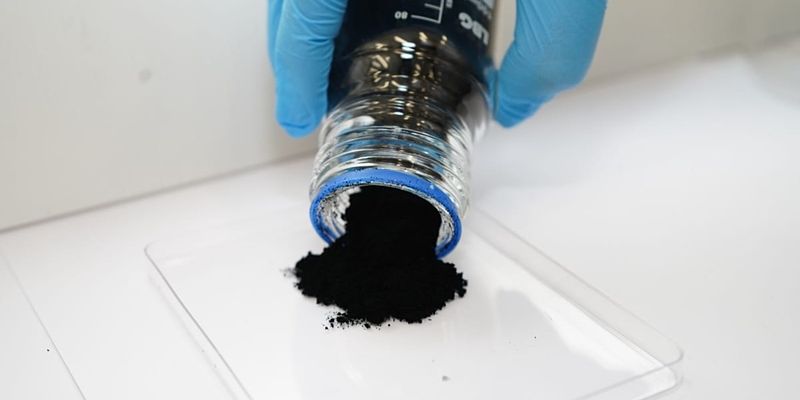
The U.S. Department of Energy has allocated $500 million to strengthen domestic processing and manufacturing of critical battery materials, aiming to reduce foreign supply chain reliance by 15% by 2030.

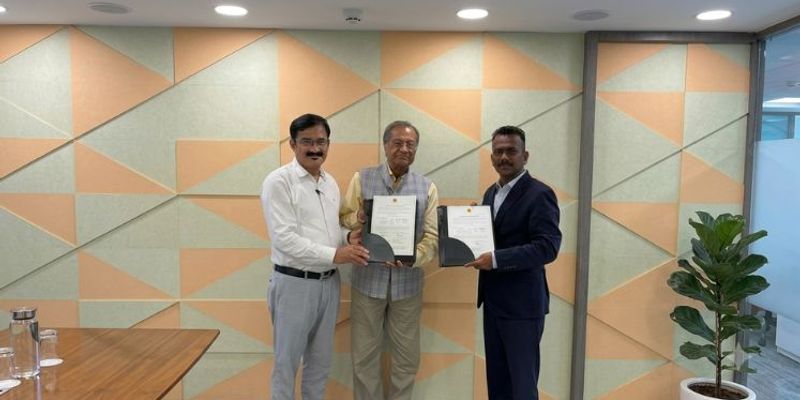
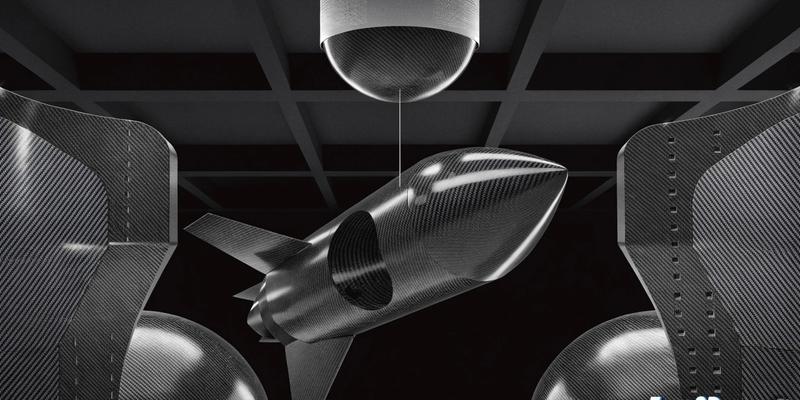
Toray, IGCS International, and Lacks Carbon Fiber have formed a partnership to collaborate on Department of Defense projects involving CFRP anisogrid lattice structures.

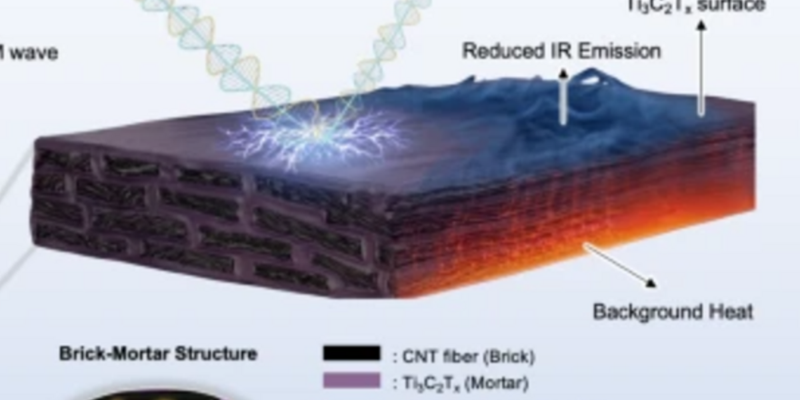
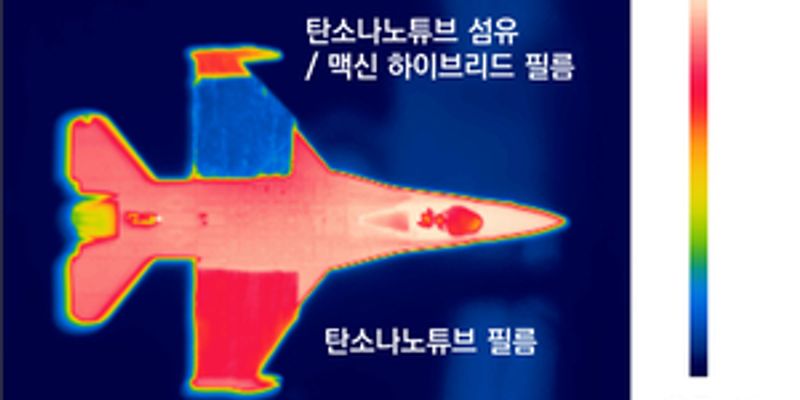
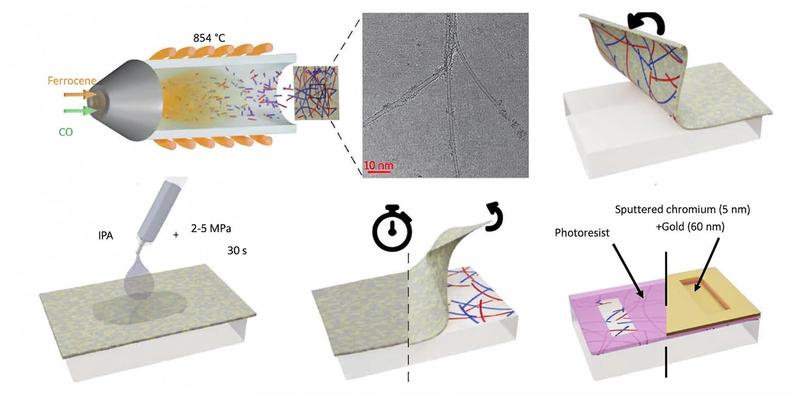
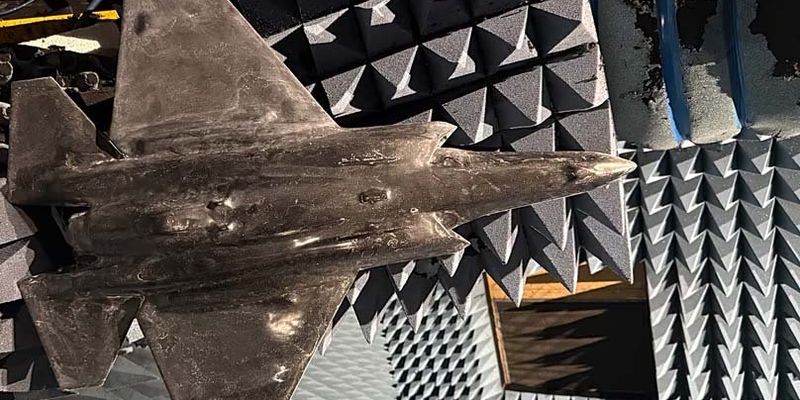
South Korean researchers have built a carbon nanotube film thinner than a human hair that blocks more than 99.9999999% of electromagnetic waves and evades thermal imaging, with fighter jets and drones the intended use.

HydroGraph Clean Power Inc. opened its Texas headquarters in Austin, featuring a facility capable of producing 30 tons of pristine graphene annually. Congressman John Carter attended the event.

Graphene Manufacturing Group has rebranded its graphene battery cells to highlight their fast-charging and long-lasting features, collaborating with partners including the University of Queensland and Rio Tinto.
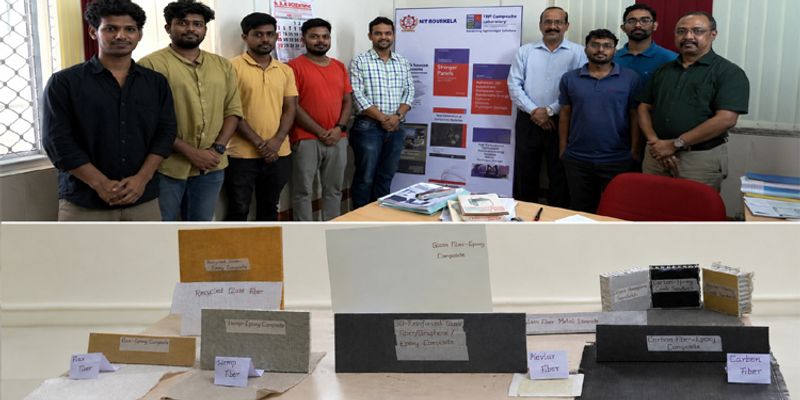
NIT Rourkela has patented a 3D-reinforced composite technology that boosts Fibre-Reinforced Polymer strength and durability, with potential applications in aerospace and automotive industries.

A company led by Cambridge PhD Liu Zhenyu is advancing carbon nanotube materials for lightweight applications.

Teijin Carbon showcases rapid-cure prepregs for aerospace and defense applications at CAMX 2026.

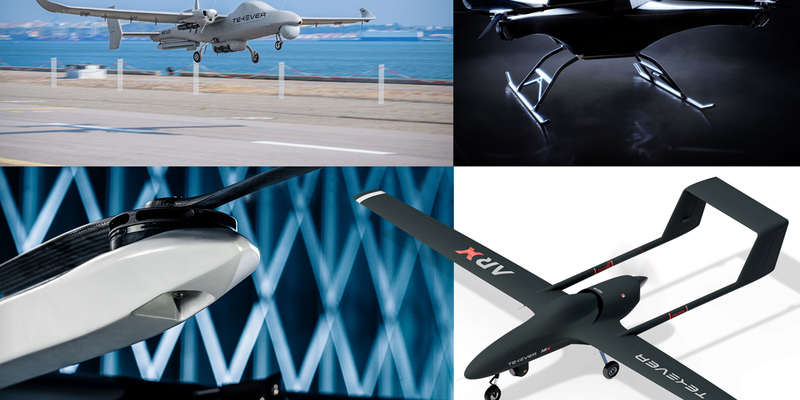
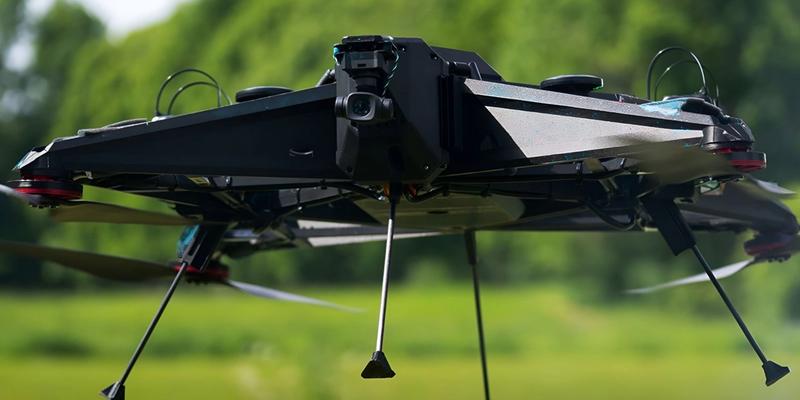
Tekever has introduced the AR6 heavy-lift drone family and broadened its collaboration with iCOMAT to boost AR5 drone production in the U.K.

Adisyn's graphene deposition process has been independently verified as repeatable. The company also received a US patent allowance for its graphene coating technology for metallic surfaces.
Adisyn Ltd raised A$14 million through an institutional placement, signaling investor interest in its graphene-based semiconductor strategy via its subsidiary, 2D Generation Ltd.

Mivium is developing high-quality gallium nitride nanopowders to enhance semiconductor performance, while Avadain is licensing technology to produce large-scale, defect-free graphene for industrial applications.

HydroGraph Clean Power is urging the U.S. to classify graphene as a critical material to reduce reliance on foreign graphite, highlighting its domestic production capability from hydrocarbon gases.
Lyten and Modovolo have partnered to enhance Modovolo's BFP 3D printing platform with graphene-enhanced PA1205 filament, doubling X-Y tensile strength compared to carbon fiber-based filaments.

Lyten will supply its PA1205 nylon-based filaments for Modovolo's BFP 3D printing platform, enhancing performance with improved tensile strength and impact resistance over carbon fiber alternatives.
India's first 120-ton-per-annum carbon fibre demonstration plant is being established in Amravati.

Researchers at the University of Arizona demonstrated that graphene nanoribbons can withstand gamma radiation, suggesting their potential use as radiation sensors in fusion reactors and deep space applications.

Graphene Leaders Canada has commercialized its graphene-enhanced electroless nickel additive, offering improved corrosion resistance and wear performance. The technology is now available to industrial sectors worldwide.
Canatu has appointed Walter Braun as Chief Technology Officer and Bernd Meier as Chief Marketing Officer, effective September 1, 2026. These appointments aim to enhance Canatu's capabilities in scaling the production and commercialization of its carbon nanotube technologies, crucial for its applications in the semiconductor and medical diagnostics industries.
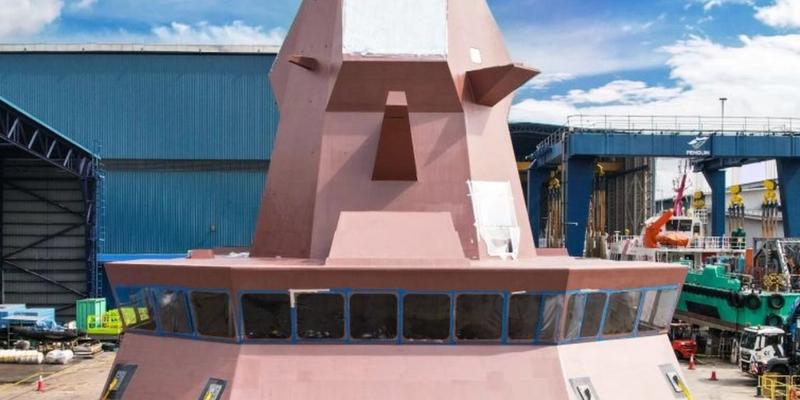
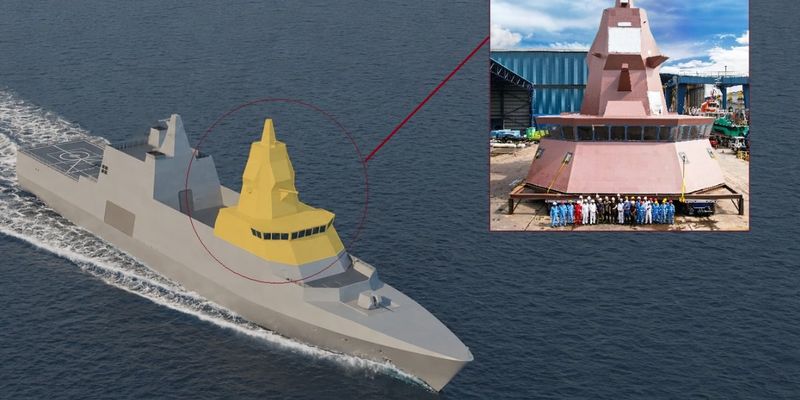
Swedish defense contractor Saab and Singapore's Penguin Shipyard International have delivered the first carbon-fiber composite superstructure for the Republic of Singapore Navy’s Victory-class Multi-Role Combat Vessel program. This integration of carbon-fiber materials into naval shipbuilding offers advantages such as reduced weight and radar cross-section, which are critical for modern combat vessel performance and efficiency.

Premier Graphene and HGI Industrial Technologies have reached a new milestone by completing the first manufacturing payment for 1,600 protective military belts under a contract with Mexico's Secretaría de la Defensa Nacional. This development highlights the growing use of graphene in defense applications, showcasing its potential to enhance the durability and protective capabilities of military equipment.
Researchers from the Skolkovo Institute of Science and Technology have developed a new infrared sensor using single-walled carbon nanotubes, which shows a conductivity change 10,000 to 100,000 times more pronounced than graphene. This advancement could lead to more sensitive and compact thermal cameras and medical sensors, leveraging the unique properties of carbon nanotubes for enhanced infrared detection without the need for cooling.

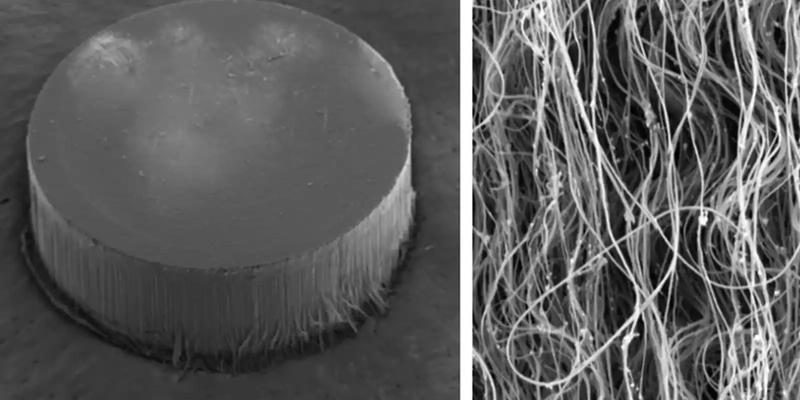
Pure Resources (ASX: PR1) and Rice University have announced peer-reviewed validation of their carbon nanotube fibre (CNTF) technology, highlighting its high thermal conductivity and potential to outperform traditional materials like copper and aluminum. This development is significant for advanced carbon materials as it demonstrates the potential of CNTF to enhance thermal management in applications such as AI data centers, drones, and defense systems.

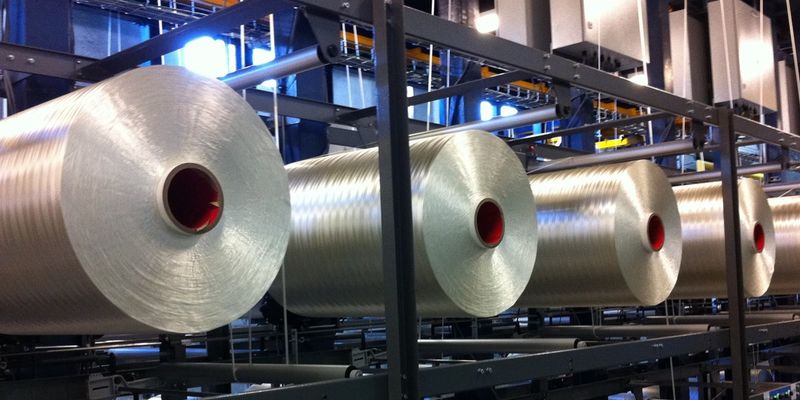
Cygnet Texkimp has introduced a 500-kilogram VHD creel to enhance carbon fiber production efficiency. This advancement is significant for the carbon fiber sector, as it allows for increased production capacity and reduced downtime in manufacturing processes.

AwesomeRay is advancing the industrialization of carbon nanotubes in South Korea, focusing on applications in semiconductors and defense. This development is significant for the carbon nanotube sector as it could lead to enhanced performance and new capabilities in these high-tech industries.

Researchers at the University of Lisbon have developed a new graphene-based composite material that significantly enhances the strength-to-weight ratio of military aircraft components. This advancement could lead to lighter, more durable aircraft structures, improving fuel efficiency and performance in military aviation.

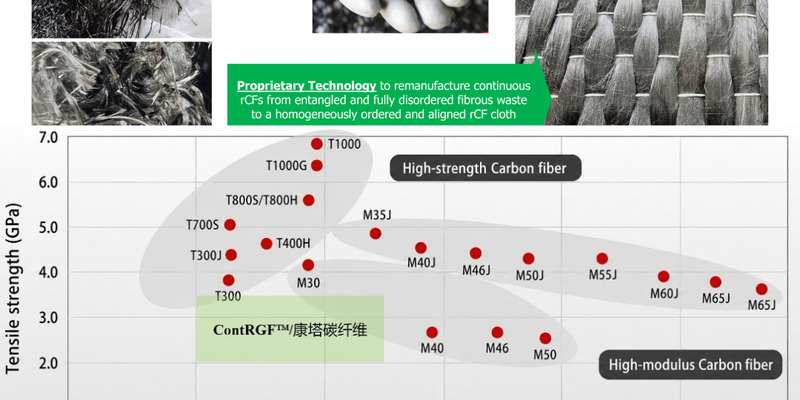
CCIC and UNNC have introduced a recycled carbon fiber manufacturing platform at the SAMPE China 2026 Conference, addressing four major industry challenges including extreme energy use. This innovation is significant for the carbon fiber reinforced polymer (CFRP) sector as it promises to reduce costs and carbon emissions associated with production.

Composites reinforced with graphene and multi-walled carbon nanotubes are reshaping defence and aerospace design, where strength-to-weight now counts for more than the tonnage of steel and platforms.

Penguin Shipyard International has completed and delivered the largest composite superstructure ever built in Singapore for the Republic of Singapore Navy's new Multi Role Combat Vessel, with the first of six structures handed over to Saab on June 27, 2026. The use of carbon fiber composites in the superstructure reduces weight and radar cross-section, enhancing the ship's stability and stealth capabilities compared to conventional steel designs.

GTechPlasma, a spin-off from Instituto Superior Técnico in Lisbon, has developed a plasma-produced graphene powder that its researchers estimate could reduce an F-16's radar signature to that of a bird, and has already supplied 260 grams of the material to a Portuguese drone manufacturer. The development is notable for the graphene sector because it demonstrates a tunable, plasma-based production process capable of reaching 40 milligrams per minute, with industrialization underway through partner company Plasmaphene, targeting a market—radar-absorbent coatings—currently restricted to U.S. suppliers.

Toray Industries will showcase its latest advanced material solutions, including TORAYCA carbon fibre and high-performance thermoset systems, at the Farnborough International Airshow from July 20–24. These materials are crucial for meeting stringent qualification and certification requirements in aerospace, space, and defence applications, highlighting Toray's commitment to reliability and performance in critical sectors.

ECS Composites, headquartered in Grants Pass, Oregon, announced advances in its carbon fiber composite enclosures for military applications, claiming weight and thickness reductions of up to 50% compared to traditional fiberglass designs. The development reflects demand for lighter carbon fiber composites in defense protective systems, where weight reduction without loss of structural integrity is a key performance requirement.

Continuous Composites secured a US Army contract to manufacture missile components using its CF3D continuous carbon fiber 3D printing technology. The contract signals growing military adoption of continuous carbon fiber additive manufacturing as a replacement for traditional winding and molding processes in structural defense applications.

Marstrom Composite AB, a subsidiary of Scandinavian Astor Group, signed a five-year framework agreement worth approximately SEK 100 million with an undisclosed western defence company to supply structural composite components. The deal provides a long-term revenue base for Marstrom's carbon fibre composites business and signals growing demand for advanced composite structural parts in western defence programmes.

Canatu Plc restructured its leadership team on June 25, 2026, consolidating reporting lines directly to CEO Maximilian Slawinski and renaming its Automotive business unit to Robotics, Mobility and Defence. The reorganization signals Canatu's broadened market focus for its carbon nanotube products beyond automotive into robotics and defence applications.