Indonesia considers converting palm oil mill effluent into biogas
Researchers and industry leaders in Jakarta urge converting Palm Oil Mill Effluent into biogas. Indonesia's vast effluent pool remains largely untapped due to a lack of binding regulations.
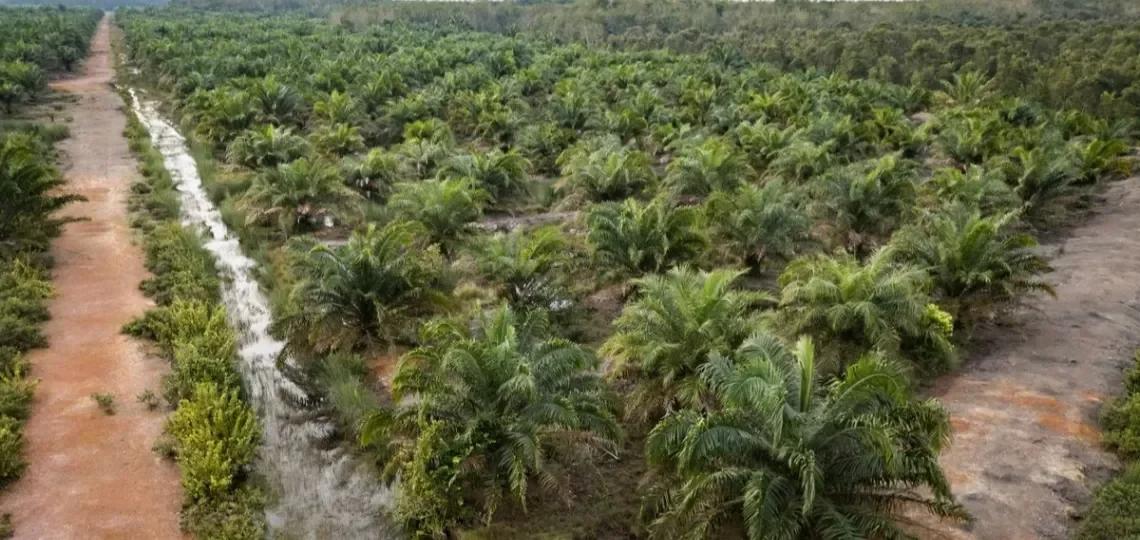
In Jakarta, researchers and representatives from the palm oil industry are advocating for the conversion of Palm Oil Mill Effluent (POME) into biogas. Currently, this effluent is largely stored in open ponds, releasing methane into the atmosphere due to a lack of regulatory requirements.
Indonesia, as the world's largest palm oil producer, operates numerous mills that generate significant volumes of POME. The industry is now focusing on capturing this methane to produce biogas, as discussed in Jakarta on August 17, 2026. This approach aligns with international efforts, such as India's GOBARdhan scheme and France's Bio-Méthane Provence project, which support agricultural biogas production.
The potential for biogas production in Indonesia is substantial, given the extensive oil palm plantations and the volume of fresh fruit bunches processed annually. Methane-capture technologies can convert this effluent into biogas, with yields depending on the volume of effluent treated. However, the current utilization rate is low, as many mills have not yet invested in the necessary infrastructure.
POME valorization offers environmental benefits by significantly reducing greenhouse gas emissions from open ponds. Economically, it can create local jobs through the construction and maintenance of capture facilities. The biogas produced can be used as bio-CNG, suitable for vehicle fuel or domestic gas.
Despite the potential, the sector's development is hindered by the absence of binding regulatory mechanisms. Tungkot Sipayung, executive director of the Palm Oil Agribusiness Strategic Policy Institute, suggests implementing a carbon market mechanism for POME methane capture, mandatory capture obligations for mills, and a blending obligation for biogas in fossil gas supplies.
Currently, the Grant Riset Sawit program, managed by the Badan Pengelola Dana Perkebunan, funds research into POME biogas capture technologies. However, no national-level carbon-market, capture-obligation, or blending mechanisms have been established.
Source: Biochar Feed