News12 October 2026· Biochar Feed
Biochar Enhances Carbon Capture in Construction Waste Aggregates
BiocharCarbon CaptureConstructionConcreteSustainabilityResearch & Innovation
16 articles on Biochar in Concrete.
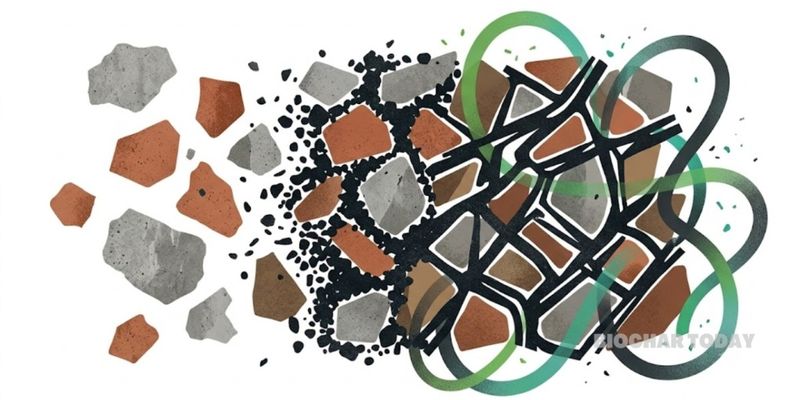
Researchers led by Weizhuo Zhang found that alkali-modified biochar in construction waste aggregates boosts carbon dioxide uptake and increases compressive strength by up to 851% through enhanced carbonation.
Obayashi used biochar-derived material in precast concrete curtain wall panels for the first time.
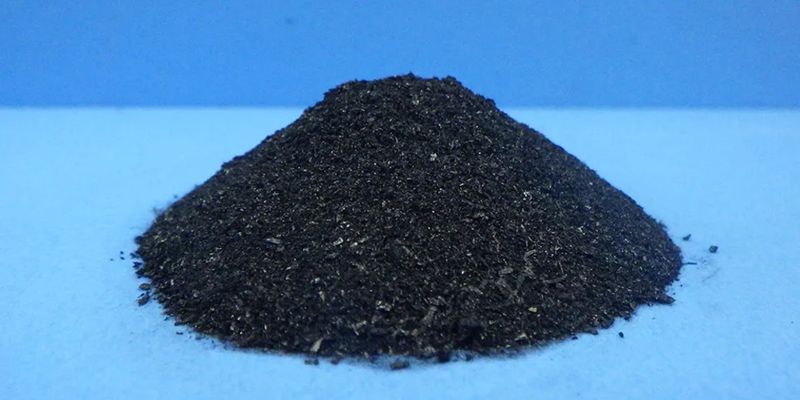
Researchers tested concrete mixes with bamboo biochar replacing cement at up to 1.5% and zeolite replacing fine aggregate at up to 50%.
Researchers found that concrete with 5 to 10 percent of its cement replaced by sewage-derived biochar strengthens over time.
Researchers highlight biochar's potential for carbon sequestration by converting biomass into stable carbon storage. Biochar can be produced globally and offers additional agricultural benefits when added to soil.

The Advanced Carbons Council calls for a U.S. carbon materials innovation platform focused on standards, testing and buyer qualification. The paper links engineered-carbon supply chains to manufacturing, energy, defense and AI infrastructure. Serves as a model for governments world-wide.
Mepco Schlenk Engineering College researchers developed a concrete mix with zeolite and bamboo biochar, increasing compressive strength by 7.48% and absorbing 1.2 grams of CO2 daily.

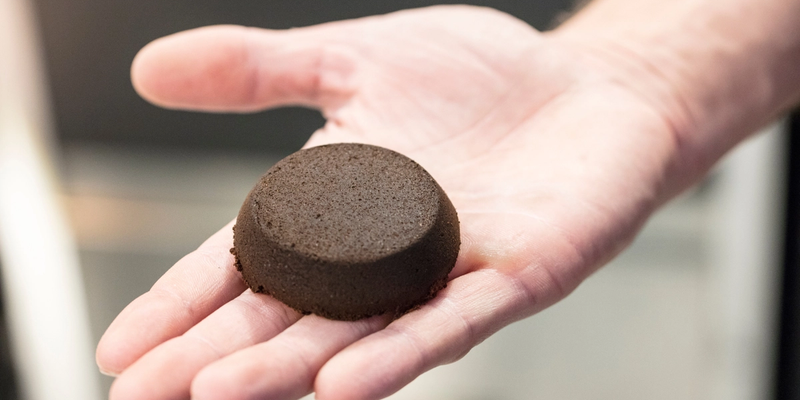
Researchers increased concrete's compressive strength by 29.3% by replacing 15% of sand with biochar from coffee grounds, charred at 350 degrees Celsius.
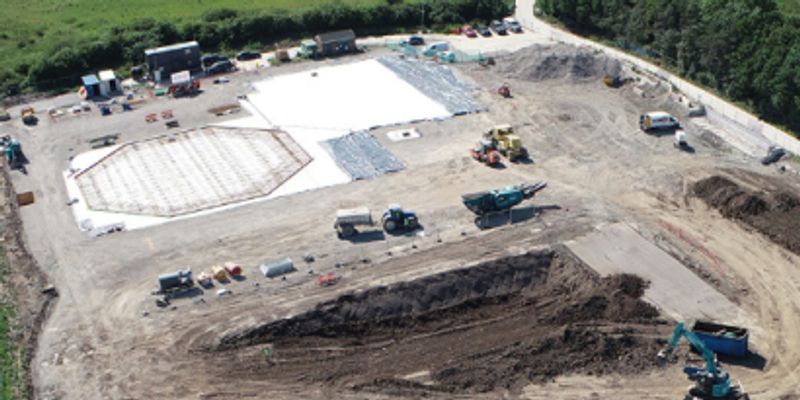
The Ellington anaerobic digestion facility will use 115 tons of Arigna biochar for ground stabilization, aiding carbon offset in construction. Completion is expected in approximately 18 months.
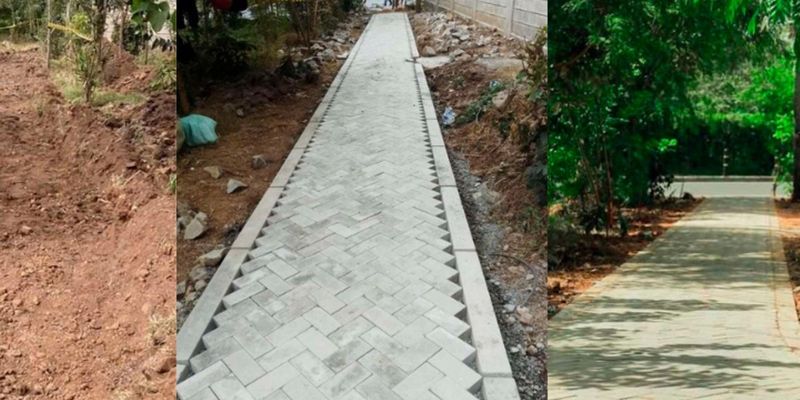
A new walkway in Nairobi's Upper Hill uses carbon-capturing concrete with biochar to test carbon-negative construction methods.
Holcim introduced its biochar concrete at the Venice Biennale in 2025, collaborating with architect Alejandro Aravena. This development is significant for advanced carbon materials as biochar can enhance the sustainability of concrete by reducing its carbon footprint.
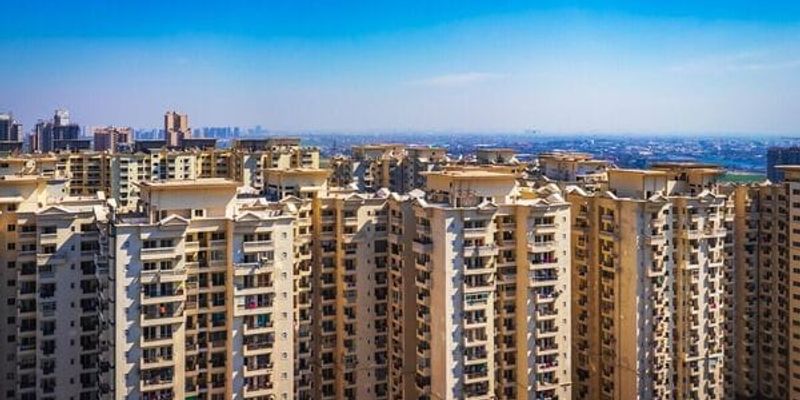
Ant Studio in Noida has designed a sustainable home for Kamran Haider using green cement and biochar to offset carbon emissions. This approach highlights the potential for advanced carbon materials like biochar to enhance sustainability in building design by reducing embodied carbon and improving energy efficiency.
Researchers tested M30 grade concrete mixes replacing partial cement with biochar and anatase-phase TiO₂ nanoparticles, finding that a 1% BC + 0.5% TiO₂ mix achieved 41.19 MPa compressive strength at 7 days but exhibited strength regression by 28 days due to thermal eigenstress and micro-cracking at biochar–paste interfaces. The findings highlight a durability limitation for biochar-based concrete composites, indicating that nano-TiO₂ accelerates early hydration at the cost of long-term mechanical performance.

Researchers at RMIT University published a study in the Journal of Cleaner Production showing that spent coffee grounds processed via pyrolysis into biochar can increase concrete strength by up to 30%. The finding is relevant to the biochar sector as it demonstrates a scalable pathway for converting organic waste into a functional carbon-based construction material, potentially reducing landfill volumes and demand for natural sand.
Holcim conducted biochar concrete pilot projects across Europe in 2025, including test pours with Canary Wharf Group using biochar from forestry residues and coffee grounds, producing their first net-zero concrete mix. The trials signal a shift for the biochar sector from experimental additive to commercial-scale construction material, with Holcim describing it as a high-performance emissions-reduction input rather than a niche product.

The Advanced Carbons Council highlights graphene and related carbon materials being adopted in construction applications including concrete additives (Concretene, First Graphene), graphene-reinforced 3D-printed components (Versarien), asphalt modification, and corrosion-resistant coatings (Petronas). For the advanced carbon materials sector, construction has emerged as a leading commercial deployment area, with multiple suppliers demonstrating validated, scalable products that improve strength, durability, and emissions performance without requiring major process changes.