News5 October 2026· Carbon Fiber Feed
First Graphene Advances PureGRAPH Carbon Fibre with Prepreg Deal
Carbon FiberAerospaceAutomotiveCompositesDefense RelatedSporting GoodsSupply ChainResearch & InnovationMarket Intelligence
14 articles on Carbon Fiber in Sporting Goods.
First Graphene and Aeropreg have signed a three-year agreement to develop and commercialise graphene-enhanced carbon fibre prepreg for aerospace and automotive markets.

The Advanced Carbons Council calls for a U.S. carbon materials innovation platform focused on standards, testing and buyer qualification. The paper links engineered-carbon supply chains to manufacturing, energy, defense and AI infrastructure. Serves as a model for governments world-wide.
Engineers at Washington University in St. Louis have developed a renewable carbon fiber using lignin, reducing production costs by 25% and maintaining industry standards for strength.
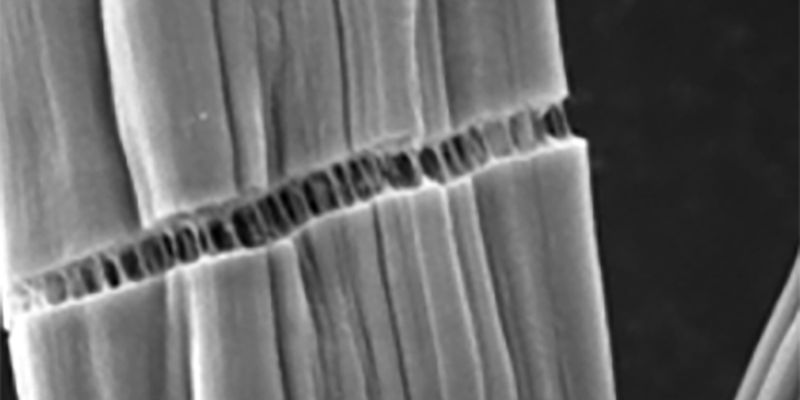
Engineers at Washington University in St. Louis developed a carbon fiber precursor using waste lignin, reducing production costs by 25% and cutting reliance on petroleum-based materials.
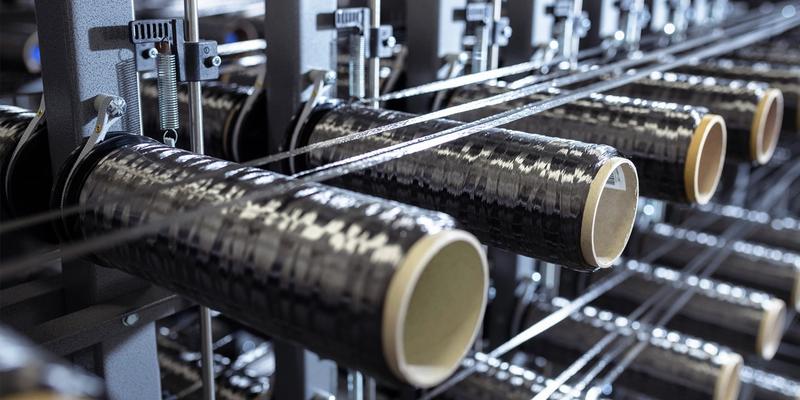
A Swedish company is recycling carbon fibre from wind turbines to produce skis.

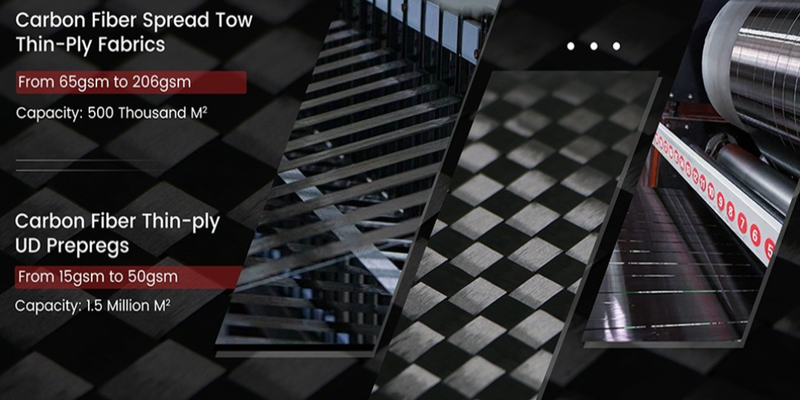
Beijing OnlyTop has developed an ultrasonic-guided process to produce thin-ply carbon fiber prepregs and fabrics from 12K and larger tows, enhancing precision in laminate design.
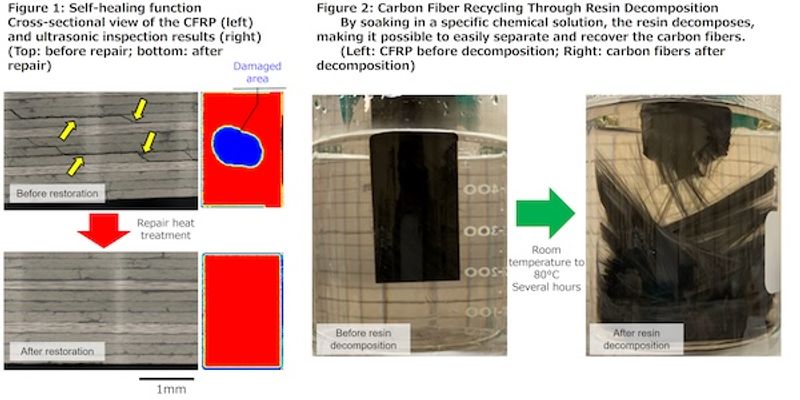
Teijin Limited has developed a thermosetting carbon fiber-reinforced plastic with a self-healing function and high recyclability, aiming to provide samples by 2028.
ENVE Composites in Ogden produces handmade carbon fiber wheels, now used by the Tour de France leader.

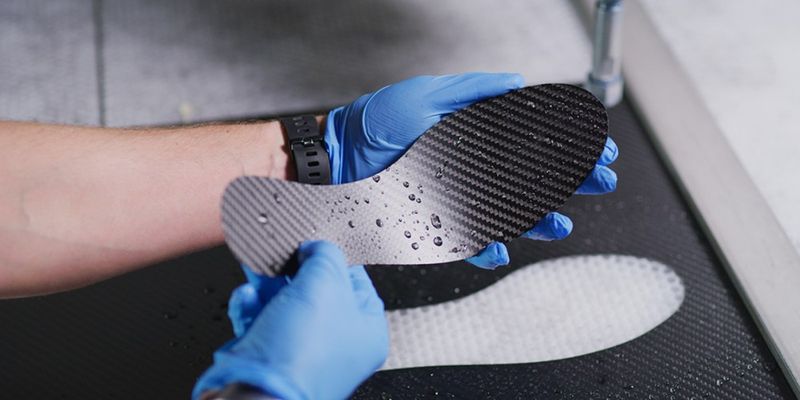
Carbitex has developed a flexible carbon fiber technology that is being utilized in performance footwear, enhancing both comfort and durability. This advancement in carbon fiber applications could lead to broader adoption in industries requiring lightweight and flexible materials, such as sports equipment and automotive components.
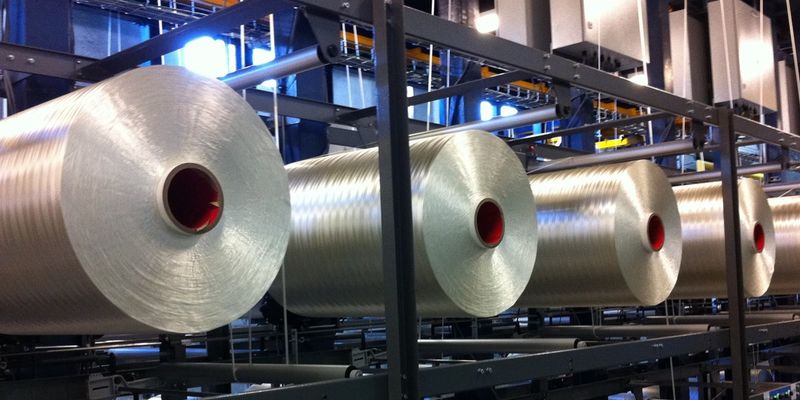
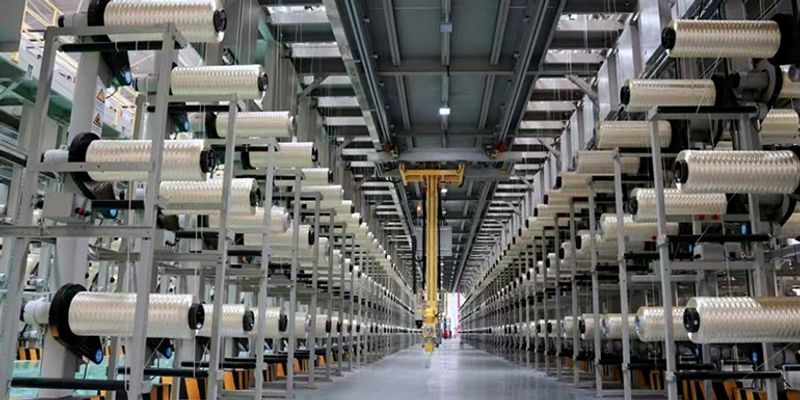
Cygnet Texkimp has introduced a 500-kilogram VHD creel to enhance carbon fiber production efficiency. This advancement is significant for the carbon fiber sector, as it allows for increased production capacity and reduced downtime in manufacturing processes.
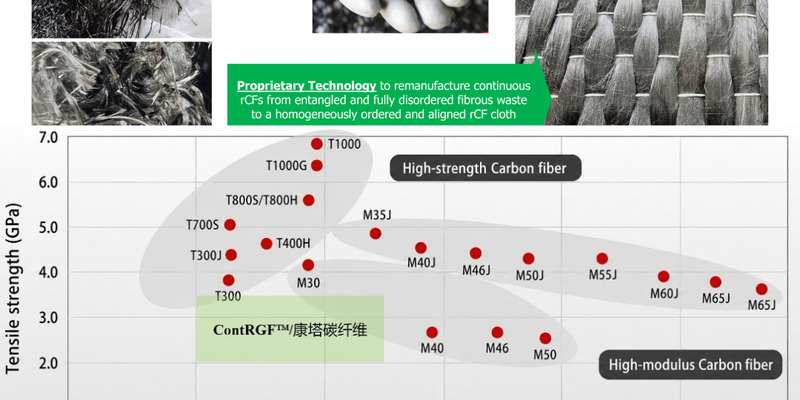
CCIC and UNNC have introduced a recycled carbon fiber manufacturing platform at the SAMPE China 2026 Conference, addressing four major industry challenges including extreme energy use. This innovation is significant for the carbon fiber reinforced polymer (CFRP) sector as it promises to reduce costs and carbon emissions associated with production.
Zhongfu Shenying commissioned three high-performance carbon fiber production lines in Lianyungang, Jiangsu on June 28, comprising a 1,000-ton/year T1100-grade aerospace line, a 5,000-ton/year 48K large-tow line, and a 600-ton/year M40 high-modulus line, as the first phase of a CNY6 billion project targeting 30,000 tons of annual capacity. The lines expand China's domestic supply of high-grade carbon fiber across aerospace, wind energy, hydrogen storage, and EV applications, reducing reliance on foreign sources for critical materials.
Shenzhen MASTERMATE Technology Co., Ltd., an ISO 9001-certified carbon fiber OEM/ODM manufacturer founded in 2014, produces custom carbon fiber products including drone frames, automotive parts, helmets, and jewelry for clients in over 100 countries. The company's broad custom manufacturing capabilities across autoclave molding, CNC machining, and forged carbon reflect continued demand for flexible, small-to-mid-scale carbon fiber production partnerships among global brands.
Terrance Barkan of The Graphene Council published a framework mapping the commercialization maturity journey of graphene through stages from discovery to mature commercialization, identifying nine recurring obstacles including capital access, regulation, standardization, and value chain complexity. The framework positions graphene as approaching proven commercial viability in multiple application areas—including composites, construction materials, and thermal management—while arguing that its "killer application" lies in broad adoption as a performance-enhancing additive across sectors rather than in any single use case.