Montauk Renewables opens $200 million biogas facility in North Carolina
Montauk Renewables has opened a $200 million facility in Sampson County, North Carolina, turning swine waste into renewable energy and biochar.
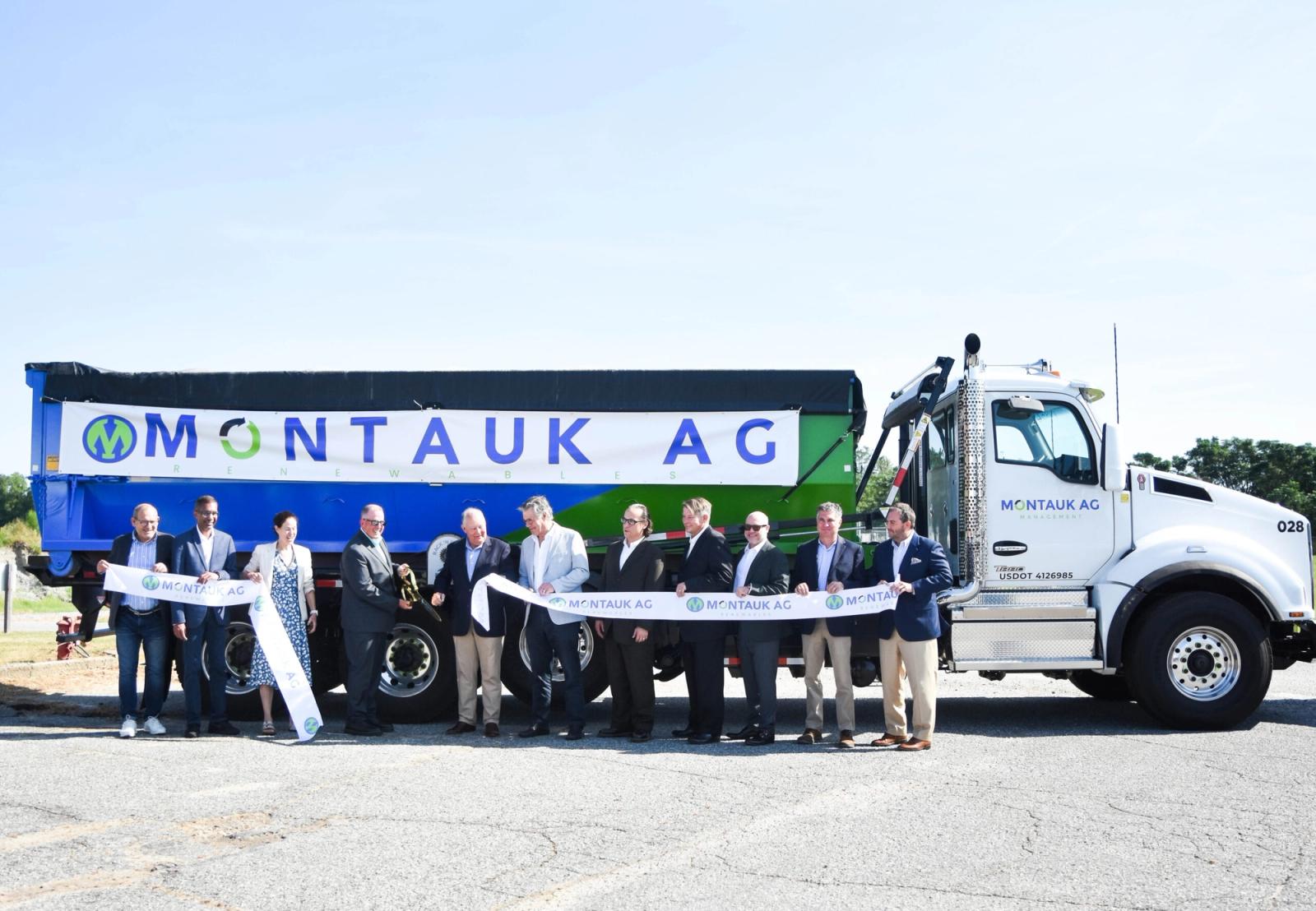
Montauk Renewables has inaugurated a biogas facility in Sampson County, North Carolina, marking a $200 million investment in converting agricultural waste into energy. The facility processes swine waste to produce renewable natural gas and electricity, with biochar as a co-product.
The Turkey facility repurposes the former Bay Valley Foods Distribution Centre into a hub for agricultural waste management and renewable energy production. Montauk has secured long-term agreements with over 80 farming locations in Sampson County, accessing approximately 415,000 hog spaces for the project's first phase.
Montauk Renewables focuses on capturing and converting biogas, preventing methane emissions, and transforming it into renewable natural gas or electricity. The company operates 14 projects across the United States, with ongoing developments in several states including North Carolina.
CEO Sean McClain emphasized the importance of partnerships with local farmers, noting their critical role in North Carolina's economy. The facility captures methane from swine manure, converting it into renewable energy and producing biochar, which enhances soil nutrient and water retention.
Senator Brent Jackson highlighted the dual benefits of the project, noting the biochar's role in improving soil health and crop yields. The operation addresses the intersection of agricultural waste management and renewable energy production, crucial in a state where agriculture is a leading industry.
By converting swine waste into energy, the project reduces methane emissions and generates revenue through renewable energy products. Montauk capitalizes on environmental attribute premiums under federal and state policies that incentivize renewable energy. The facility's opening reflects growing interest in agricultural biogas projects in regions with concentrated animal agriculture and renewable energy incentives.
Source: Biochar Feed