Where do we stand with CO₂ removal technologies?
Researchers at the World Resources Institute report that current global CO₂ removal capacity is insufficient to meet the 2030 target of one billion tonnes, with technologies like Direct Air Capture and biochar facing high costs and scalability challenges. This shortfall impacts the advanced carbon materials sector, as these technologies are crucial for achieving net-negative emissions and supporting the sustainable use of biochar and other carbon-based solutions.
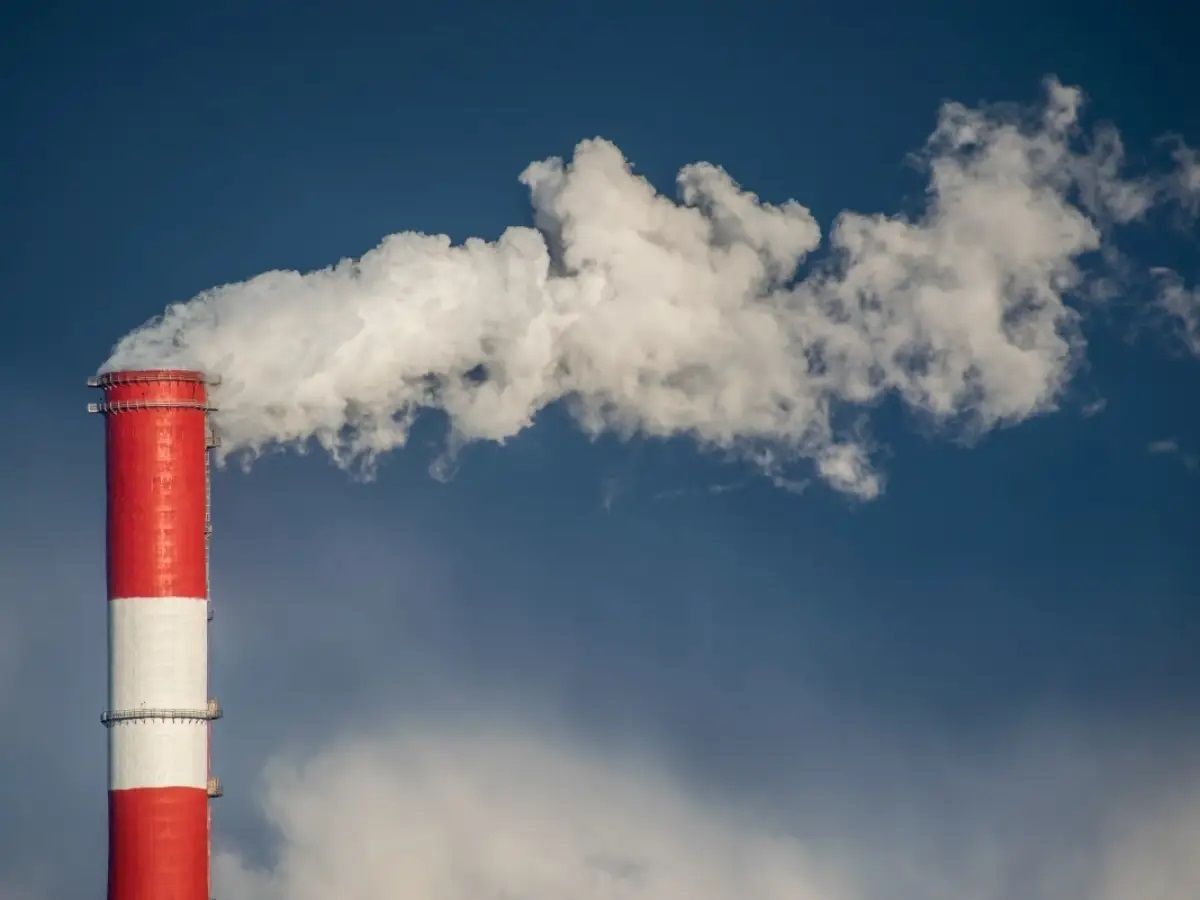
Carbon removal technologies are increasingly integral to global climate strategies, particularly for sectors that are difficult to decarbonize. The Intergovernmental Panel on Climate Change (IPCC) underscores their importance for achieving Net Zero targets and limiting global warming to 1.5°C. Technologies such as Direct Air Capture (DAC), Bioenergy with Carbon Capture and Storage (BECCS), and biochar production are at the forefront of these efforts.
Biochar, a charcoal produced by decomposing plant material at high temperatures without oxygen, is the most widely implemented technology. It stores carbon in soil for decades and enhances water retention and fertility. However, natural weathering of silicate rocks is projected to surpass biochar by 2028 due to its scalability and integration with agricultural supply chains.
Despite the potential of these technologies, challenges remain. A report by the World Resources Institute (WRI) highlights that current global carbon removal capacity is insufficient to meet the 2030 target of one billion tonnes of CO₂. High costs, lack of oversight, and inconsistent standards for verifying credit quality hinder investment and create buyer mistrust.
The European Commission has introduced certification methodologies under the Carbon Removals and Carbon Farming (CRCF) regulation, covering DAC, BECCS, and biochar. This aims to enhance market clarity and reliability. However, Carbon Market Watch warns that countries may be overly reliant on industrial removals without adequate feasibility assessments, risking a shift in focus away from essential decarbonization efforts.
In the United States, DAC projects are primarily supported by tax credits and public funding, with a real market yet to develop. The path to scalability for carbon removal technologies is expected to be gradual, akin to the growth trajectory of solar photovoltaics. A recent study indicates that while nature-based credits are favored by stock markets, technological removals face skepticism unless backed by credible decarbonization strategies and strong ESG scores.
Source: Biochar Feed