New film blocks 99.99% of radar waves, may boost stealth jet tech
South Korean researchers developed a 17.5-micrometer-thick film that blocks 99.9999999% of radar waves by combining carbon nanotube fibers with MXene nanosheets, enhancing stealth technology.
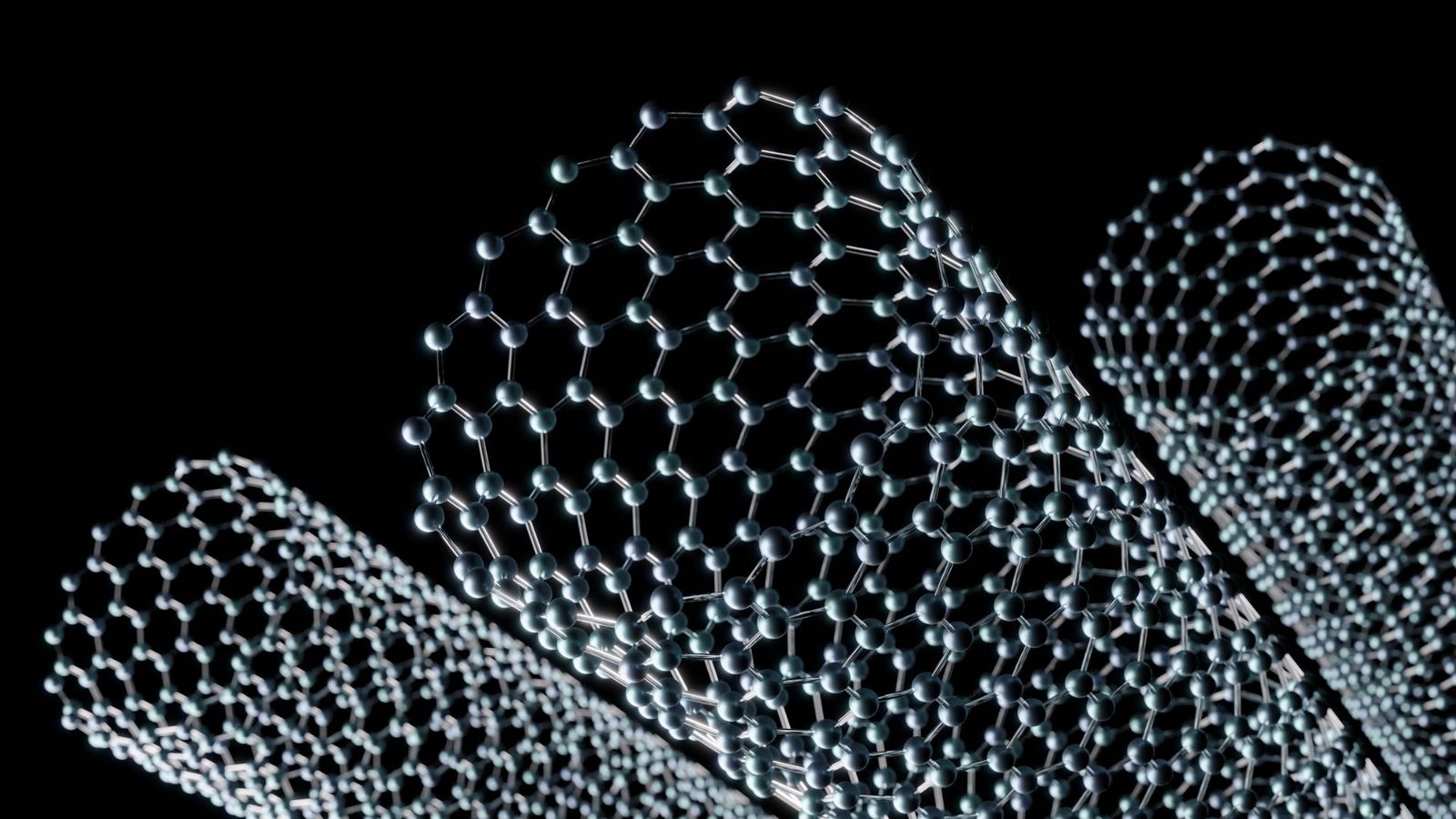
A newly developed film, thinner than a human hair, effectively blocks 99.9999999 percent of radar waves. This innovation, achieved by scientists in South Korea, utilizes a brick-and-mortar approach to combine advanced nanomaterials.
The Korea Institute of Materials Science (KIMS) and the Korea Institute of Science and Technology (KIST) collaborated to create an ultrathin hybrid composite film, potentially advancing stealth technology, aerospace applications, and consumer electronics.
The film integrates carbon nanotube (CNT) fibers and MXene nanosheets. CNT fibers are lightweight, durable, and excellent conductors of electricity, but they pose challenges in forming uniform sheets and are highly visible to infrared sensors. MXene, a two-dimensional nanomaterial, absorbs infrared light but is fragile and degrades quickly in real-world conditions.
By chemically modifying CNT fibers with amine groups, researchers achieved a strong molecular bond with MXene nanosheets. This process involved running the functionalized fibers through a MXene solution and aligning them tightly. The CNT fibers provide structural integrity, while MXene fills gaps, enhancing the material's durability and electrical conductivity.
The resulting film, measuring just 17.5 micrometers thick, offers significant advantages. It provides approximately 90 dB of electromagnetic shielding, blocks over 99.9999999 percent of radar and communication waves, and matches the tensile strength of high-strength steel at 1.02 GPa. Its low infrared emissivity conceals objects from thermal sensors, and it remains stable under high heat and moisture conditions.
This composite material could revolutionize military applications by reducing the weight of stealth fighters, drones, and aircraft while masking electronic and thermal signatures. In civilian sectors, as 5G and 6G networks expand, this material could prevent electromagnetic interference in devices like smartphones and smartwatches without adding bulk.
Mrigakshi is a science journalist whose work has appeared in publications such as Nature India and Astronomy magazine. She covers topics including space exploration and technological innovations.
Source: Carbon Nanotubes Feed