China study increases concrete alternative's bending strength by 54% using waste-grown nanotubes
Researchers at Zhejiang University increased the bending strength of a concrete alternative by 54.3% using carbon nanotubes grown on aluminum production waste.
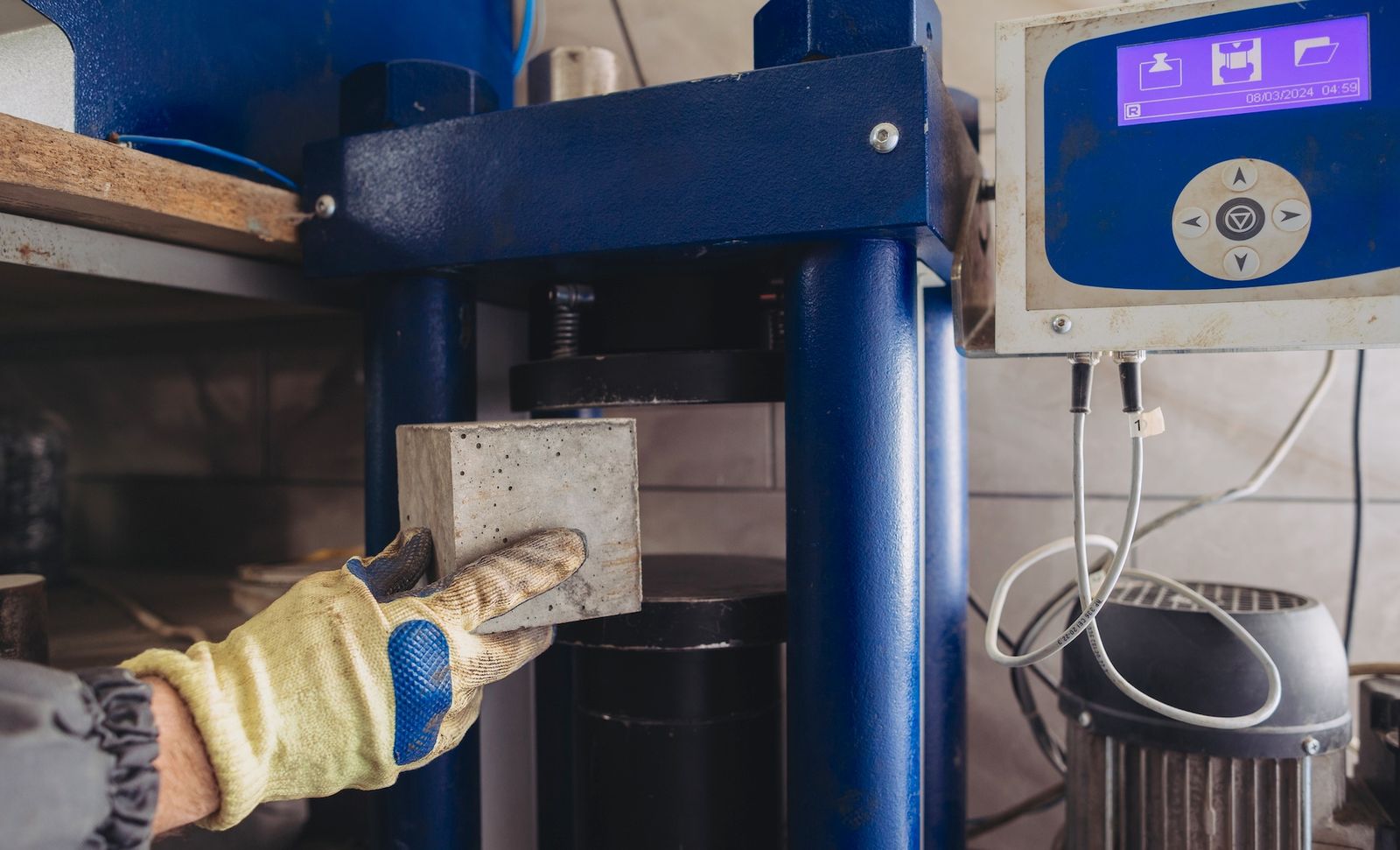
Researchers at Zhejiang University in China have developed a method to enhance the bending strength of a concrete alternative by 54.3% using carbon nanotubes grown from waste materials. This innovative approach combines discarded plastic and red mud, a byproduct of aluminum production, to create microscopic reinforcements for construction materials. The study, published in Nature Communications, highlights a potential new use for these waste streams.
The process begins by breaking down plastic waste into smaller chemical compounds through heating to approximately 932 degrees Fahrenheit. These compounds are then exposed to red mud at around 1,562 degrees. The iron compounds in the red mud facilitate the transformation of carbon from the plastic into carbon nanotubes, simultaneously generating hydrogen-rich gas.
The resulting composite, containing carbon nanotubes, is mixed into an alkali-activated binder, which is a construction material made from industrial byproducts. A 1% dosage of nanotubes by weight increased the compressive strength of the binder by 33.1% after a 28-day curing period. The nanotubes remain attached to the red mud, eliminating the need for costly purification steps.
Traditional Portland cement production accounts for 6% to 8% of global carbon dioxide emissions. Alkali-activated binders, which replace conventional cement ingredients with industrial waste, offer a way to reduce this footprint. However, these binders are prone to brittleness and cracking. The carbon nanotubes address these issues by bridging microscopic cracks, filling voids, and promoting denser reaction products.
The study also demonstrated that the composite material absorbs less water and experiences less drying shrinkage, suggesting improved durability. However, excessive amounts of nanotubes can lead to clustering, which diminishes their reinforcing effect. The high cost and energy requirements of conventional nanotube production remain challenges.
The researchers experimented with various plastics to optimize the process. Polyethylene yielded 0.262 ounces of nanotubes per ounce of plastic, while polystyrene produced 0.367 ounces per ounce, though with lower structural quality. Polyethylene terephthalate, commonly used in beverage bottles, yielded only 0.009 ounces per ounce. PVC was largely ineffective, introducing disruptive substances.
A discarded polyethylene detergent container, despite impurities, produced 0.206 ounces of nanotubes per ounce. Environmental and economic assessments indicated that this waste-derived additive could reduce emissions by 65.8%, energy requirements by 71.1%, and manufacturing costs by 13.6% compared to traditional methods.
The researchers emphasized the need for cross-sectoral solutions to address plastic waste accumulation and cement industry decarbonization. They described their method as a scalable route to convert waste into low-carbon, cost-effective toughening additives.
In related developments, other innovations in construction materials include moss-coated buildings for urban cooling and air purification, waterless plastic recycling for building materials, and bamboo solar platforms for offshore energy projects.
Source: Carbon Nanotubes Feed