Researchers convert methane to graphene oxide with plasma-water process
Researchers at Texas A&M University have developed a process to convert methane into graphene oxide using a nonthermal plasma-water interface, potentially reducing production costs.
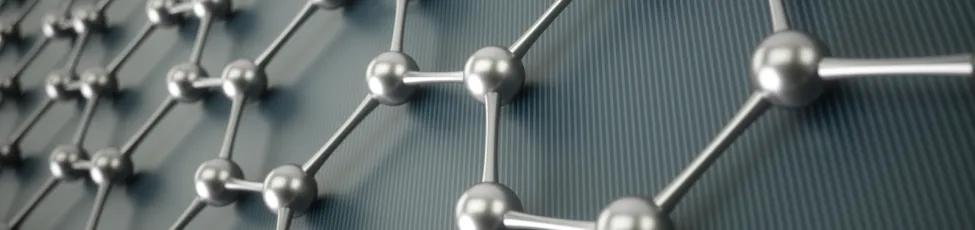
Researchers at Texas A&M University have developed a novel method to produce graphene oxide from methane using a nonthermal plasma-water interface. This process, detailed in Nature Communications, offers a domestic alternative for graphene oxide production, diverging from traditional methods that rely on bulk graphite.
Led by Dr. David Staack, the research utilizes an electrical plasma discharge to convert methane, the main component of natural gas, into high-purity graphene oxide, with hydrogen as a byproduct. Initially aimed at producing hydrogen, the project unexpectedly yielded valuable carbon material.
Unlike conventional methods that break down graphite through chemical processes, the Texas A&M approach constructs graphene oxide directly from methane molecules. This single-atom-thick carbon material is prized for its conductivity and strength, with applications in lithium-ion batteries, coatings, and composites.
Dr. Micah Green, co-principal investigator, highlighted the significance of this scalable production method, marking the first reported instance of deriving graphene oxide from natural gas precursors. This method not only reduces carbon emissions but also transforms carbon into functional materials.
The study indicates that the plasma-produced graphene oxide exhibits properties comparable to commercial variants, potentially at lower costs. The process operates under atmospheric conditions, offering a scalable solution for high-purity, single-layer graphene oxide production.
Supported by LTEOIL, a College Station-based energy company, the research aims to enhance hydrogen production while exploring new value creation from hydrocarbons. Howard B. Jemison, CTO of LTEOIL, emphasized the potential for more sustainable manufacturing pathways, as the process generates hydrogen and limits carbon emissions by converting carbon into graphene oxide.
The technology presents a pathway for domestic production of carbon nanomaterials, with potential impacts on energy storage, electronics, and advanced manufacturing. Dr. Staack noted the goal of developing economically viable solutions that also reduce emissions.
Source: Graphene Feed