Uses of Fullerene C70 in OPV, Electronics, and Advanced Materials
Researchers have identified several uses for Fullerene C70 in organic photovoltaics, organic electronics, and advanced nanomaterials, noting its unique elongated carbon cage structure and electron-accepting behavior. This matters because C70's distinct optical and electronic properties, compared to C60, make it a valuable material for studying and optimizing charge transport and light absorption in these advanced carbon-based applications.
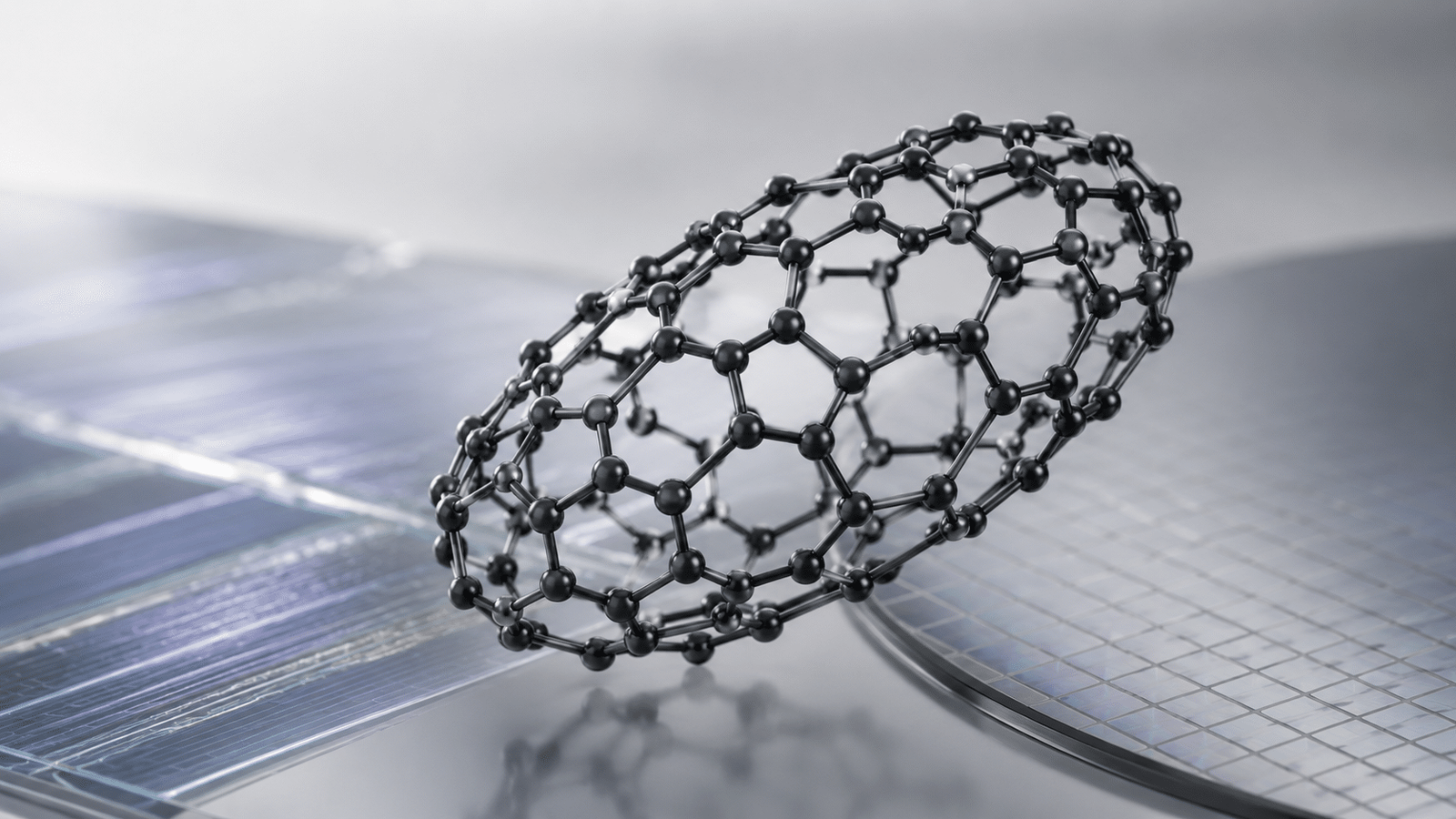
Fullerene C70 is a carbon cage molecule with 70 carbon atoms, known for its unique electronic and optical properties. Unlike the more symmetrical Fullerene C60, C70's elongated structure influences its behavior in organic photovoltaics (OPVs), organic electronics, and advanced material research. This article explores the applications of Fullerene C70, highlighting its role as an electron acceptor in OPVs and its potential in molecular electronics and photodynamic research.
C70's distinct geometry affects its optical absorption and electron-accepting capabilities, making it a valuable material in OPV systems. C70 derivatives, such as PC70BM, demonstrate stronger and broader visible light absorption compared to C60 derivatives like PC60BM. These properties make C70 a subject of interest in OPV research, where light absorption and photocurrent are critical.
In organic electronics, Fullerene C70's electron-accepting nature is relevant to thin-film devices, organic field-effect transistors, and molecular electronics. Its lower symmetry compared to C60 results in different spectroscopic and charge-transfer behaviors, which are studied in polymer-fullerene systems.
Fullerene C70 is also investigated in photodynamic research, where it participates in photoinduced processes generating reactive oxygen species. However, it should not be described as an approved medical product without specific regulatory evidence. C70's limited water solubility means research often focuses on derivatives or formulated systems.
In sensor and analytical research, C70's electron-accepting behavior and photophysical activity are explored in modified electrodes and hybrid nanomaterial assemblies. It is typically combined with other materials to enhance charge transfer and signal response.
C70 is also studied in advanced materials and nanocomposites, where its carbon cage structure contributes to polymer blends, coatings, and hybrid systems. Its performance depends on formulation, solvent compatibility, and processing methods.
While C70 offers unique properties, it is not universally superior to C60. The choice between C70 and C60 depends on specific application requirements, such as device architecture and purity needs. Researchers and buyers should consider these factors when selecting Fullerene C70 for their projects.
Source: Emerging Nano Carbons