News14 October 2026· Graphene Feed
How Ion-Water Interactions Enable Graphene Desalination
GrapheneMembranes & FiltrationPolymersResearch & InnovationSustainability
24 articles on Graphene in Polymers.
Researchers demonstrated that holey graphene membranes can desalinate water by allowing water molecules to pass through while blocking larger hydrated sodium and chloride ions.
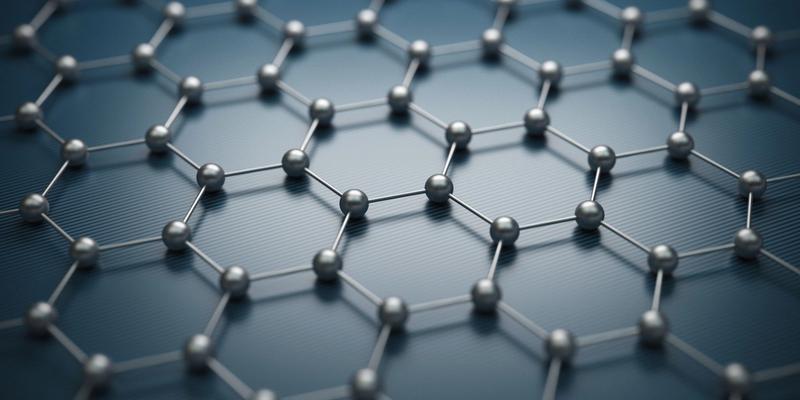
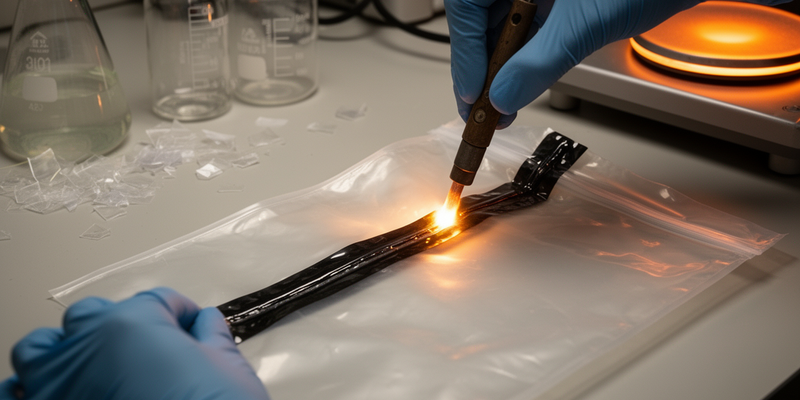
Researchers achieved thermal welding of PBAT and graphene oxide, reducing it to form porous composites with reduced graphene oxide.
Global Graphene Group seeks a Sales Engineer in Dayton, Ohio, to expand its graphene markets. Apply by December 31, 2026.
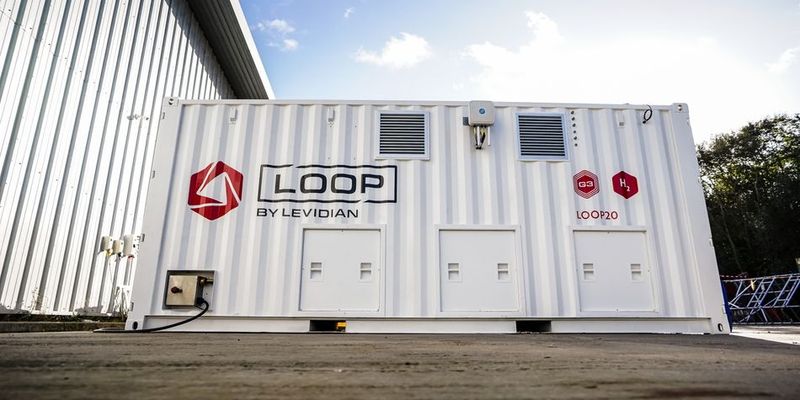
Dana Gas and Levidian have launched graphene production at Sharjah Graphene Park, with an annual capacity exceeding one tonne. The project began just four months after their initial agreement.
Researchers at Khalifa University reviewed how graphene enhances high-density polyethylene (HDPE). They examined compounding techniques and found that graphene improves HDPE's thermal, electrical, and barrier properties when well-dispersed.
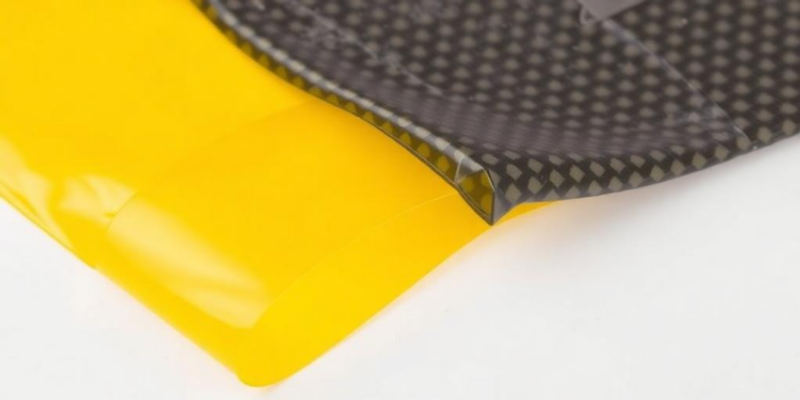
Duo Packaging and the University of Manchester's GEIC have developed a graphene-enhanced polyethylene film, 2DPE, increasing recycled content to 60% and reducing film thickness to 28 microns.

The Advanced Carbons Council calls for a U.S. carbon materials innovation platform focused on standards, testing and buyer qualification. The paper links engineered-carbon supply chains to manufacturing, energy, defense and AI infrastructure. Serves as a model for governments world-wide.
Colorfix presented commercial results for graphene-enhanced polyethylene films, including downgauging in baling, stretch, shrink and HDPE applications. The company reports resin savings and performance improvements across several packaging formats.
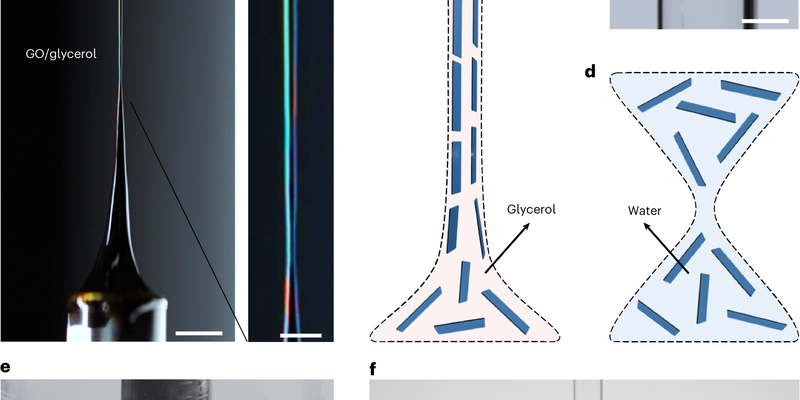
Researchers created polymer fibres with carbon nanotubes and graphene oxide flakes, reaching a gravimetric toughness of nearly 1,000 J g−1, surpassing spider silk and Kevlar.
First Graphene received its first production order from Pacific Urethanes for PureGRAPH, enhancing fire-retardant properties in polyurethane for the Australian mining sector.
Chinese researchers found that polyvinylpyrrolidone-functionalized graphene significantly reduces asphalt aging, with optimal doses varying by binder type. This could enhance pavement durability in extreme climates.
Graphene is being formulated, screened, qualified and packaged around specific applications. Some of those products are beginning to move through conventional distribution networks. That may be one of the clearest signs yet that parts of the graphene industry are maturing.
An industrial study evaluates graphene masterbatch reinforcement in polyethylene blown film. At a 1% let-down ratio, the study reports mechanical-property gains and demonstrates 10% gauge reduction with retained tensile and puncture performance.

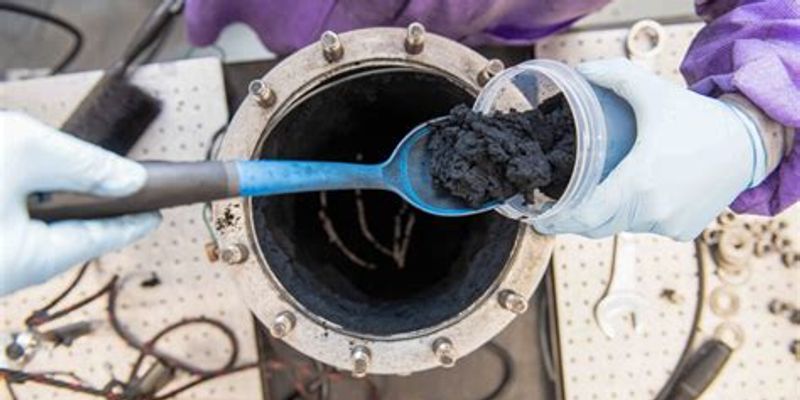
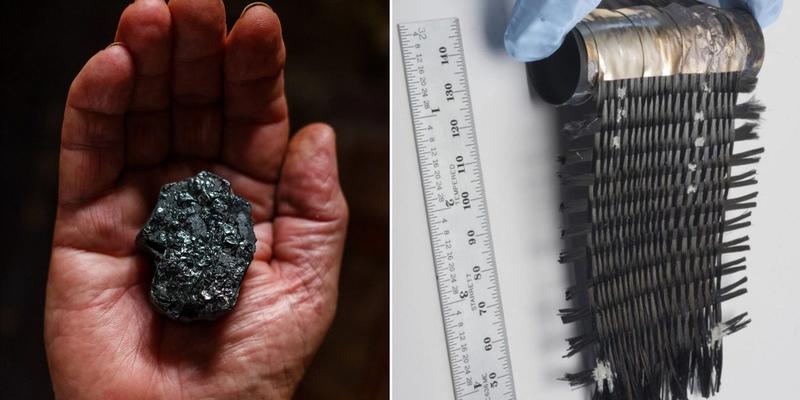
China has introduced a technology to convert regular coal into advanced carbon materials like carbon fibers and graphene.
Drexel and Penn State researchers created a new hydrogel for biosensors that maintains skin contact through sweat and hair, enhancing durability and comfort during physical activity.
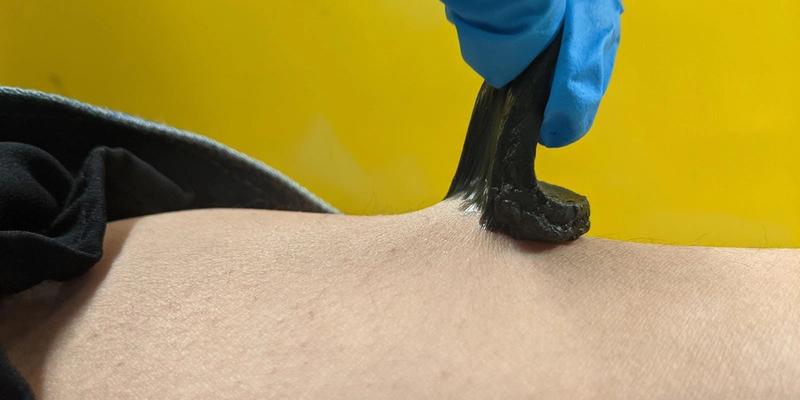
Adisyn's graphene deposition process has been independently verified as repeatable. The company also received a US patent allowance for its graphene coating technology for metallic surfaces.
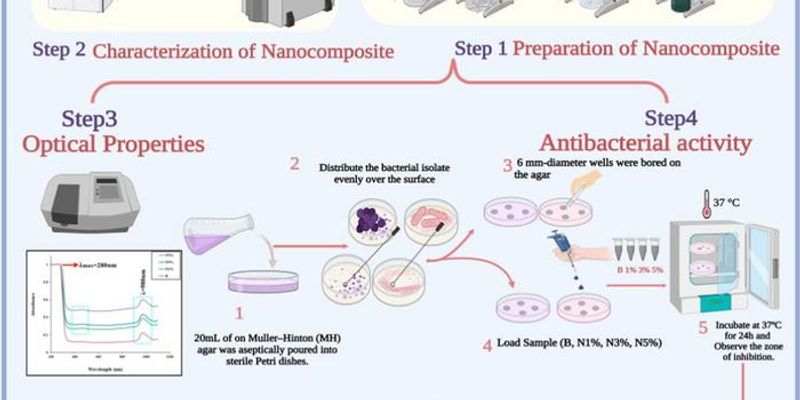
KeAi Communications Co., Ltd. reports on the antibacterial and anticancer capabilities of polymer nanocomposites enhanced with graphene-silicon nitride nanomaterials.
In a video, HydroGraph CEO Kjirstin Breure discusses how their graphene enabled a biosensor company to create technology that wasn't possible with other commercially available graphenes.

HydroGraph has certified Midland Compounding & Consulting (MCC) as a U.S. compounding partner for graphene-enhanced polymer applications. This certification enables MCC to support the development and commercialization of advanced graphene-enhanced materials, focusing on performance improvements and functional enhancements in industrial applications.
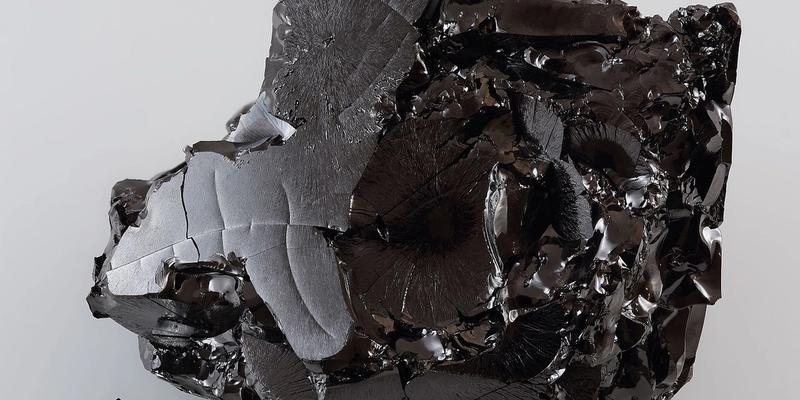
Researchers have synthesized a waterborne polymer/reduced graphene oxide (rGO) nanocomposite. This development is significant for the production of environmentally friendly coatings and materials utilizing graphene's unique properties.
Canada's graphene sector has developed across production, construction, filtration, printed electronics, and energy storage, with companies such as NanoXplore operating a 4,000-metric-ton-per-year facility in Montréal and firms like Zentek and Graphene Leaders Canada advancing application-specific products toward commercial deployment. The ecosystem signals a shift from materials science demonstration toward repeatable industrial use cases in carbon-based composites, conductive additives, and separation technologies, though commercial viability still depends on product qualification, standardization, and cost competitiveness against incumbent materials.
CSIC researchers developed an 18-micron graphene-polymer composite separator combining polypropylene with 0.5 wt% reduced graphene oxide, achieving 4x greater puncture resistance and a 60% reduction in thermal-runaway initiation temperatures in lithium-ion batteries. The development advances reduced graphene oxide as a functional additive in battery separators, with pilot-scale production underway alongside a Spanish cell manufacturer targeting NCM-based EV applications.
HydroGraph added Hubron International, a Manchester-based masterbatch and conductive polymer compounder with over 90 years of experience, to its Fractal Graphene Compounding Partner Program on February 10, 2026. The partnership gives HydroGraph access to Hubron's global distributor network and established carbon nanomaterial processing capabilities, supporting broader commercial adoption of graphene in thermoplastic applications across automotive, electronics, and other sectors.

Levidian and Graphmatech announced a partnership to co-develop graphene-based polymer composites for hydrogen applications, including pipelines and pressure vessels where graphene reduces hydrogen gas leakage by up to 83%. The collaboration combines Levidian's graphene production with Graphmatech's dispersion technology, targeting a growing market for high-performance composites in the hydrogen sector.