News29 September 2026· Carbon Fiber Feed
Suzlon and Exel Composites form multi-year wind power partnership
Carbon FiberCompositesEnergy GenerationSupply ChainSustainabilityResearch & Innovation
15 articles on Carbon Fiber in Energy Generation.
Suzlon and Exel Composites have partnered for a multi-year agreement to manufacture carbon fibre composites for wind power applications.
Washington University in St. Louis researchers developed a lignin-based carbon fiber that meets automotive standards, reducing production costs by 25% and using half the petroleum-derived precursor.
The Advanced Carbons Council calls for a U.S. carbon materials innovation platform focused on standards, testing and buyer qualification. The paper links engineered-carbon supply chains to manufacturing, energy, defense and AI infrastructure. Serves as a model for governments world-wide.
ARIA is funding the development of perovskite-carbon fiber-reinforced polymer solar cells for use in stratospheric aircraft.

Engineers at Washington University in St. Louis have developed a renewable carbon fiber using lignin, reducing production costs by 25% and maintaining industry standards for strength.
Engineers at Washington University in St. Louis developed a carbon fiber precursor using waste lignin, reducing production costs by 25% and cutting reliance on petroleum-based materials.
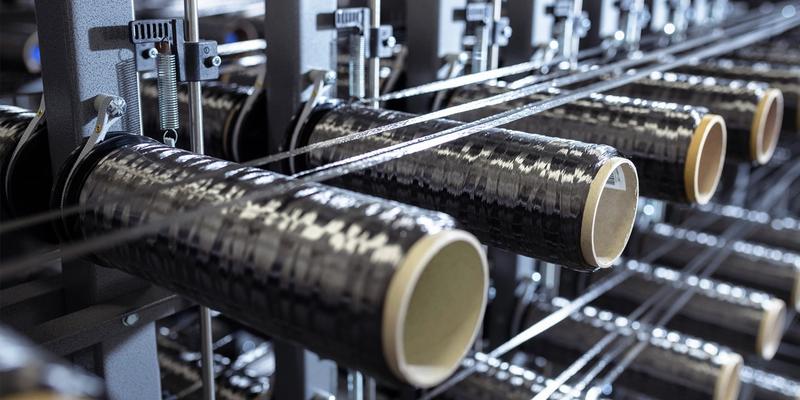
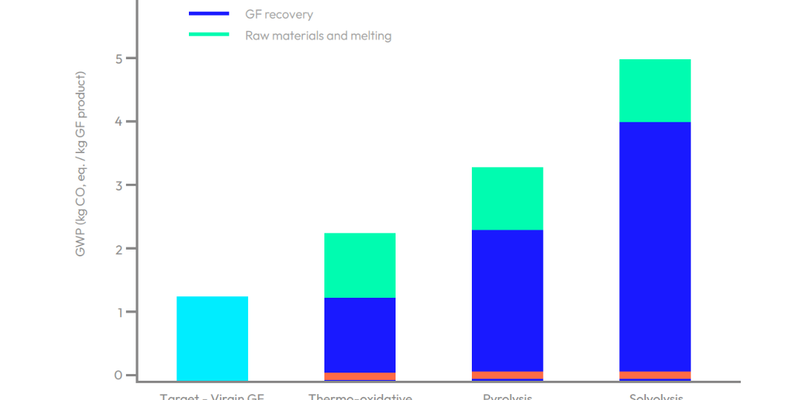
The NCC-led SusWIND program reports that recycled wind turbine blade glass fiber can achieve a carbon footprint similar to virgin fiber if recyclers improve pyrolysis efficiency and polymer recovery.
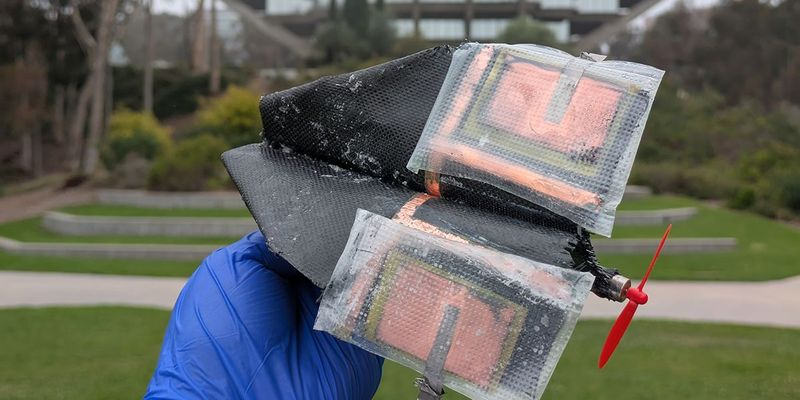
Recycled supercapacitors with carbon-fiber cathodes maintained performance comparable to original devices through initial fabrication and two recycling cycles.
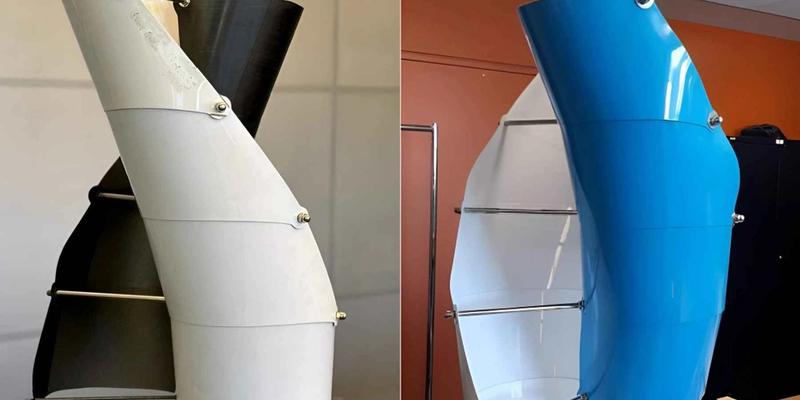
Researchers at Concordia University have created carbon-fiber composite wind turbine blades that are approximately 80% lighter than standard blades.
India's first 120-ton-per-annum carbon fibre demonstration plant is being established in Amravati.
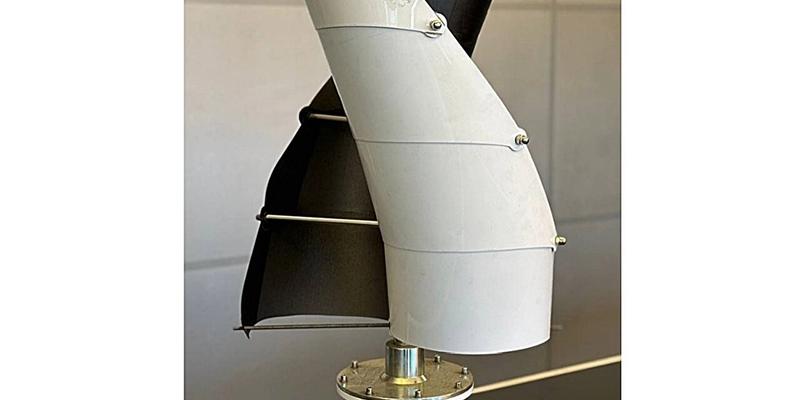
Researchers at Concordia University have developed a method to shape carbon fiber wind blades without molds by curing flat carbon-fiber plies that curve upon cooling.

Researchers at Concordia University have developed a 4D-printing method to create curved blades for vertical-axis wind turbines from flat carbon-fibre composite panels, resulting in blades that weigh 80% less than commercial aluminum blades. This advancement could significantly reduce manufacturing costs and promote the use of lightweight carbon-fibre composites in renewable energy systems.

Researchers at Concordia University have developed a 4D-printing method for carbon-fibre composite panels that makes small vertical-axis wind turbine blades lighter, cheaper and easier to produce.
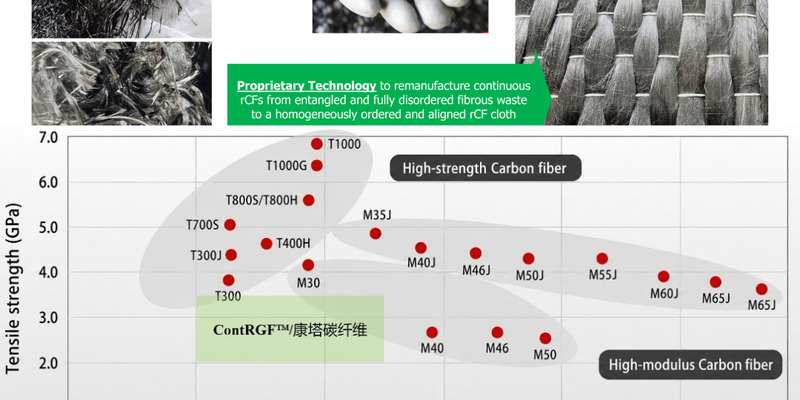
CCIC and UNNC have introduced a recycled carbon fiber manufacturing platform at the SAMPE China 2026 Conference, addressing four major industry challenges including extreme energy use. This innovation is significant for the carbon fiber reinforced polymer (CFRP) sector as it promises to reduce costs and carbon emissions associated with production.
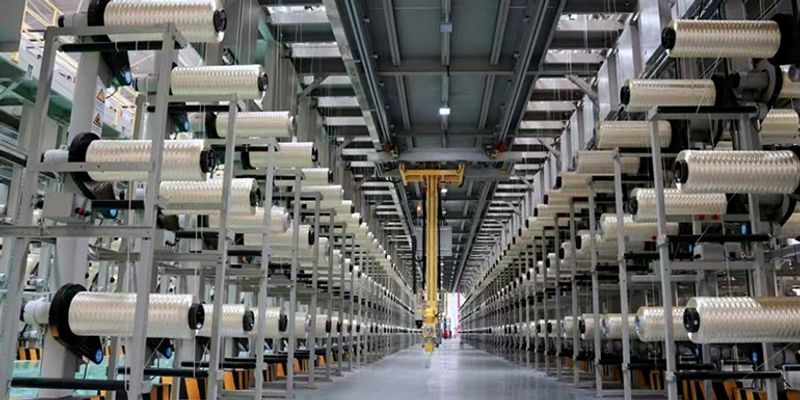
Zhongfu Shenying commissioned three high-performance carbon fiber production lines in Lianyungang, Jiangsu on June 28, comprising a 1,000-ton/year T1100-grade aerospace line, a 5,000-ton/year 48K large-tow line, and a 600-ton/year M40 high-modulus line, as the first phase of a CNY6 billion project targeting 30,000 tons of annual capacity. The lines expand China's domestic supply of high-grade carbon fiber across aerospace, wind energy, hydrogen storage, and EV applications, reducing reliance on foreign sources for critical materials.