13 articles on Graphene in Defense Related.
HydroGraph Clean Power Inc. opened its Texas headquarters in Austin, featuring a facility capable of producing 30 tons of pristine graphene annually. Congressman John Carter attended the event.

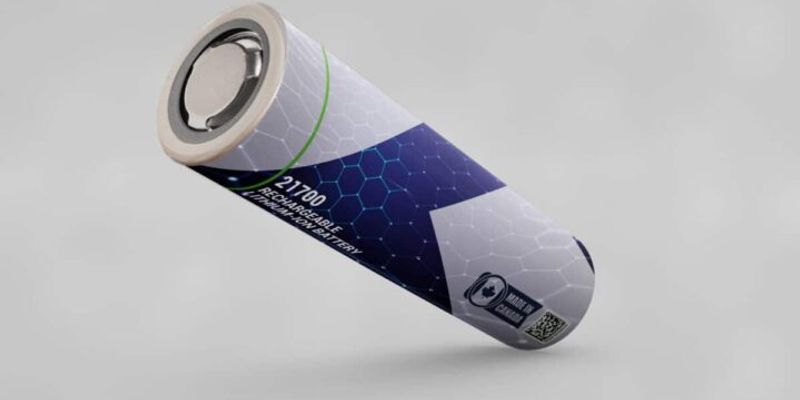
Graphene Manufacturing Group has rebranded its graphene battery cells to highlight their fast-charging and long-lasting features, collaborating with partners including the University of Queensland and Rio Tinto.
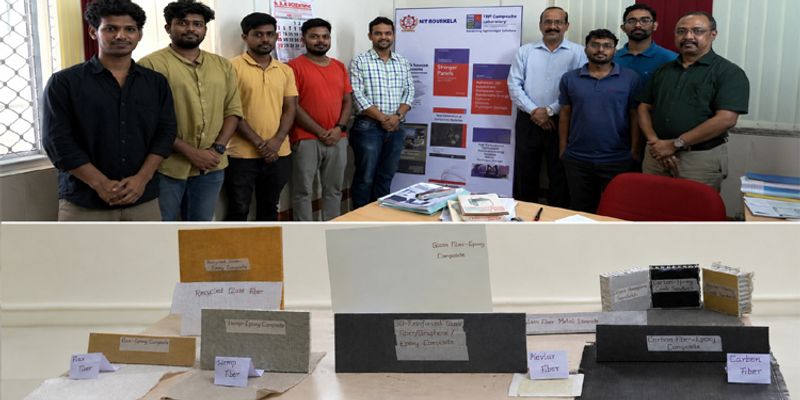
NIT Rourkela has patented a 3D-reinforced composite technology that boosts Fibre-Reinforced Polymer strength and durability, with potential applications in aerospace and automotive industries.

Adisyn's graphene deposition process has been independently verified as repeatable. The company also received a US patent allowance for its graphene coating technology for metallic surfaces.
Adisyn Ltd raised A$14 million through an institutional placement, signaling investor interest in its graphene-based semiconductor strategy via its subsidiary, 2D Generation Ltd.

Mivium is developing high-quality gallium nitride nanopowders to enhance semiconductor performance, while Avadain is licensing technology to produce large-scale, defect-free graphene for industrial applications.

HydroGraph Clean Power is urging the U.S. to classify graphene as a critical material to reduce reliance on foreign graphite, highlighting its domestic production capability from hydrocarbon gases.
Lyten and Modovolo have partnered to enhance Modovolo's BFP 3D printing platform with graphene-enhanced PA1205 filament, doubling X-Y tensile strength compared to carbon fiber-based filaments.

Researchers at the University of Arizona demonstrated that graphene nanoribbons can withstand gamma radiation, suggesting their potential use as radiation sensors in fusion reactors and deep space applications.

Graphene Leaders Canada has commercialized its graphene-enhanced electroless nickel additive, offering improved corrosion resistance and wear performance. The technology is now available to industrial sectors worldwide.
Premier Graphene and HGI Industrial Technologies have reached a new milestone by completing the first manufacturing payment for 1,600 protective military belts under a contract with Mexico's Secretaría de la Defensa Nacional. This development highlights the growing use of graphene in defense applications, showcasing its potential to enhance the durability and protective capabilities of military equipment.
Researchers at the University of Lisbon have developed a new graphene-based composite material that significantly enhances the strength-to-weight ratio of military aircraft components. This advancement could lead to lighter, more durable aircraft structures, improving fuel efficiency and performance in military aviation.

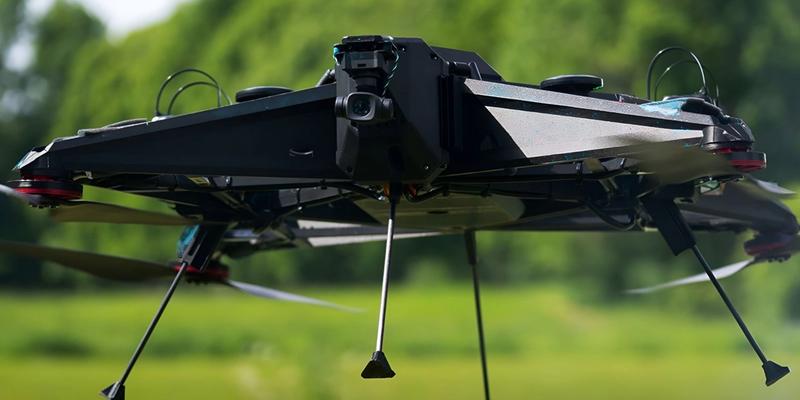
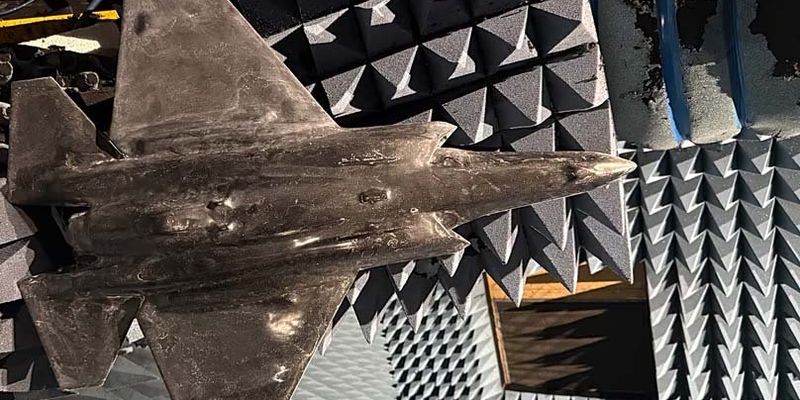
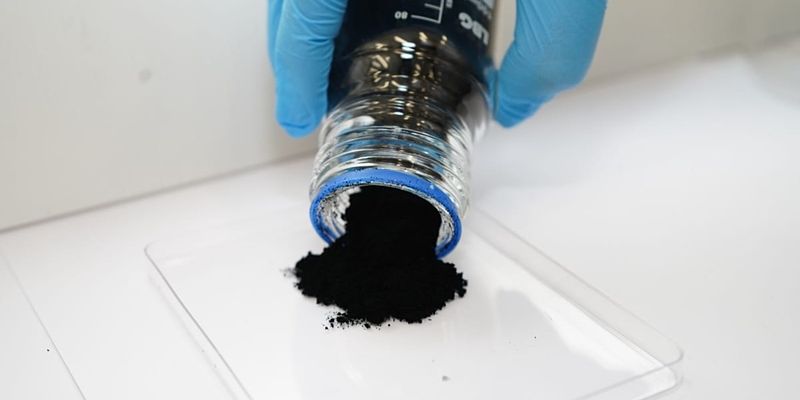
GTechPlasma, a spin-off from Instituto Superior Técnico in Lisbon, has developed a plasma-produced graphene powder that its researchers estimate could reduce an F-16's radar signature to that of a bird, and has already supplied 260 grams of the material to a Portuguese drone manufacturer. The development is notable for the graphene sector because it demonstrates a tunable, plasma-based production process capable of reaching 40 milligrams per minute, with industrialization underway through partner company Plasmaphene, targeting a market—radar-absorbent coatings—currently restricted to U.S. suppliers.