News14 October 2026· Biochar Feed
Old Tyres Turned Phosphorus Magnets Could Feed Crops and Clean Wastewater
BiocharHydrogenMembranes & FiltrationRubber & SyntheticsSustainabilityResearch & Innovation
32 articles on Biochar in Membranes & Filtration.
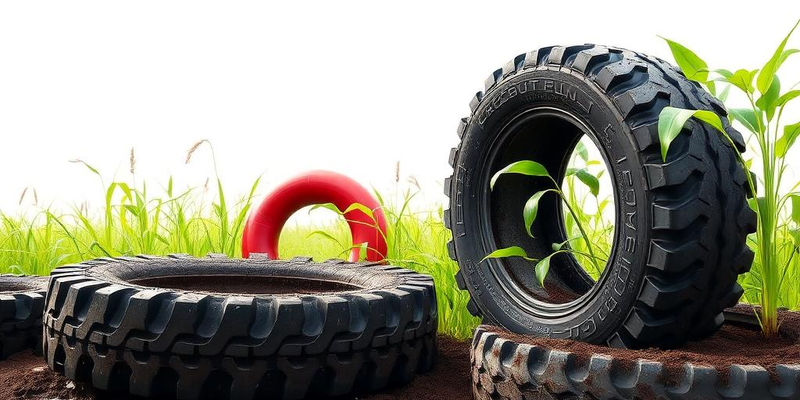
Researchers converted waste tyre biochar using hydrogen peroxide to create a material that removes 99% of phosphorus from wastewater.
Researchers found that adding 10% biochar to sand significantly slowed the passage of microbes, suggesting a potential application in water purification.
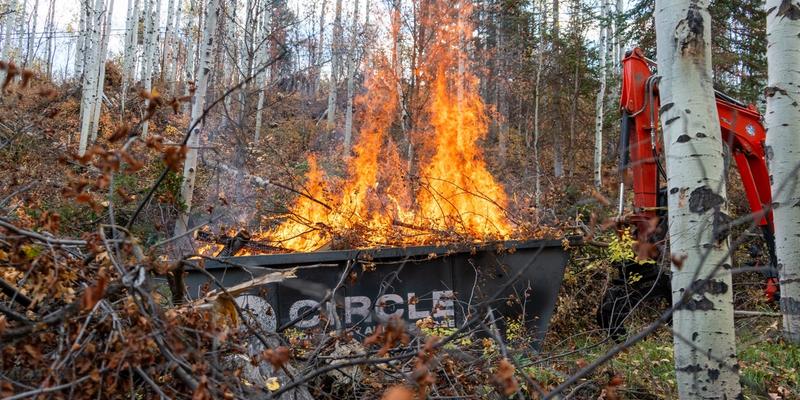
Park City is piloting biochar production in Thaynes Canyon to reduce wildfire risks and improve soil health. The project covers 200 acres and aims to enhance water retention.
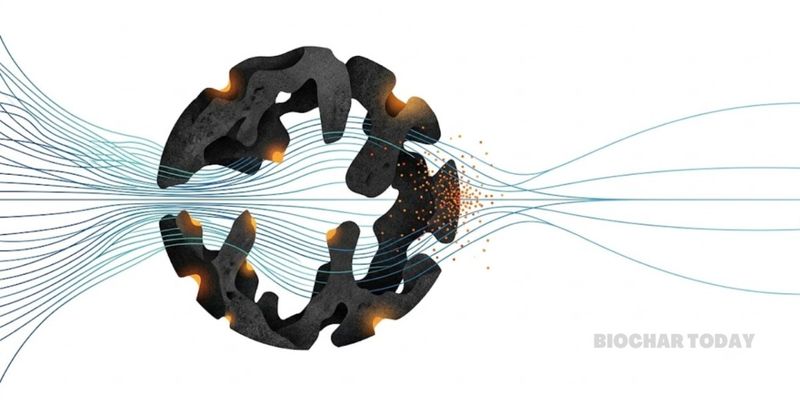
Researchers developed defect-engineered biochar that achieves over 99% radical selectivity, enhancing its effectiveness for water decontamination.
Researchers at Northeast Normal University developed a nano-magnesium oxide modified pyro-hydrochar from Rhus typhina biomass, achieving a fluoride adsorption capacity of 469.64 mg/g, outperforming other magnesium oxide adsorbents.
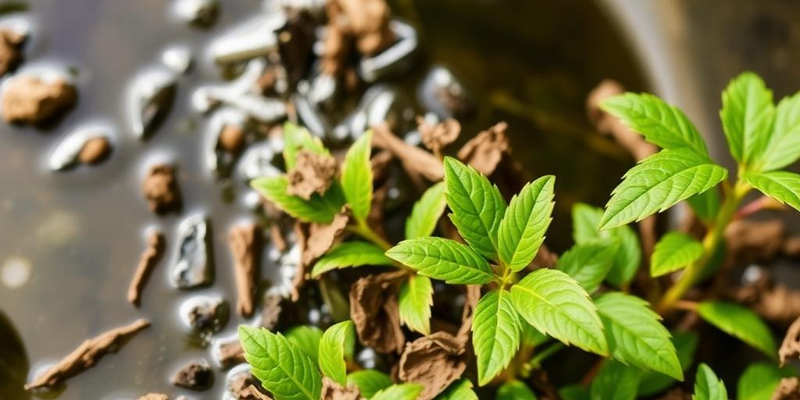
ALBON has developed a modular system that uses algae to treat wastewater, converting captured waste into biochar.
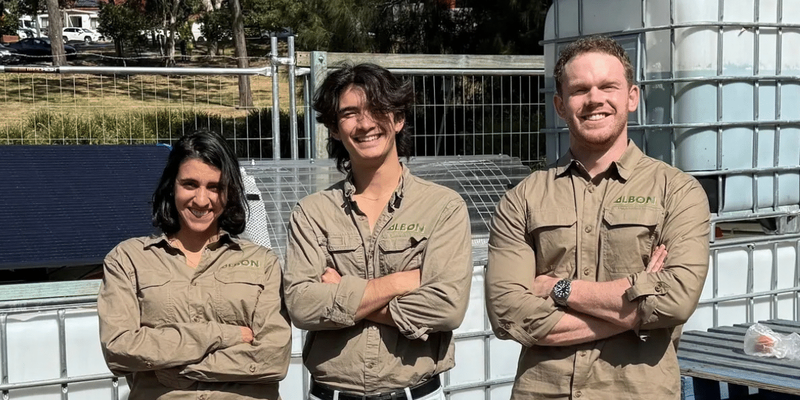
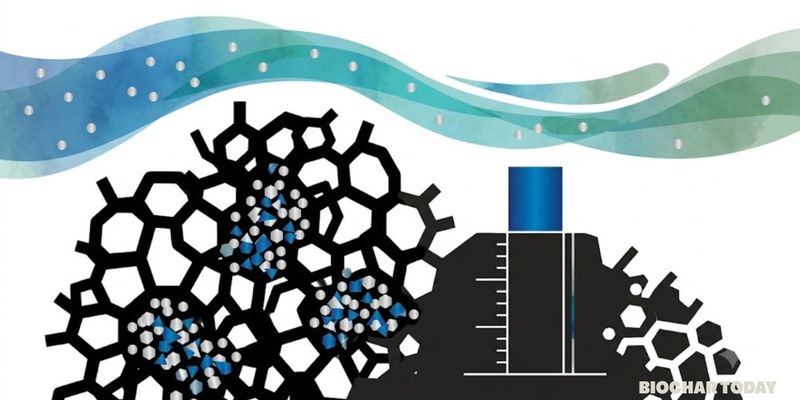
Researchers found that tiny particles from activated carbon and biochar can bypass water filters, carrying contaminants like lead. This challenges current water-treatment assessments.
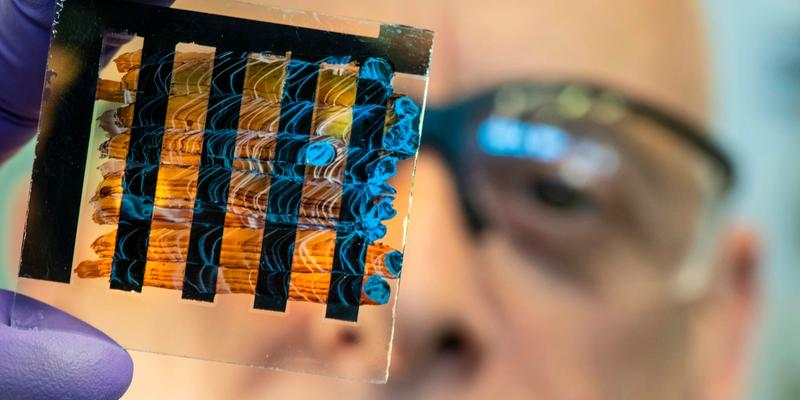
The Advanced Carbons Council calls for a U.S. carbon materials innovation platform focused on standards, testing and buyer qualification. The paper links engineered-carbon supply chains to manufacturing, energy, defense and AI infrastructure. Serves as a model for governments world-wide.
Researchers at the University of Oulu report wood-derived adsorbents can capture 863.8 milligrams of tetracycline per gram, highlighting their potential in addressing pharmaceutical pollution in wastewater.
Researchers have developed biochar-based phase change composites from food waste, integrating them into paper membranes for energy storage applications.
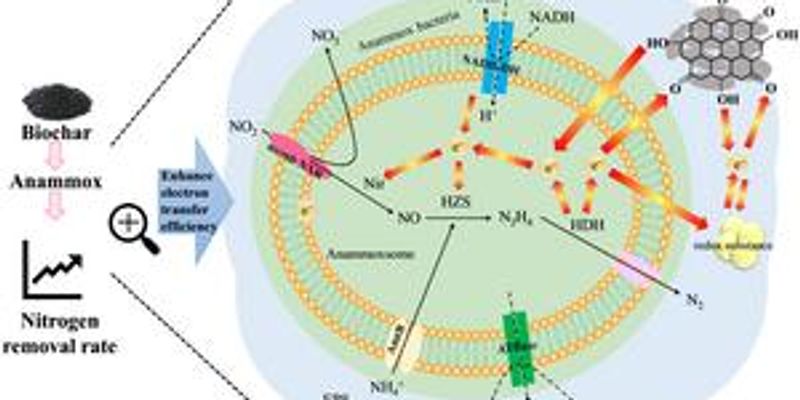
A review indicates that adding biochar to anammox reactors could enhance their efficiency by acting as a conductive interface.
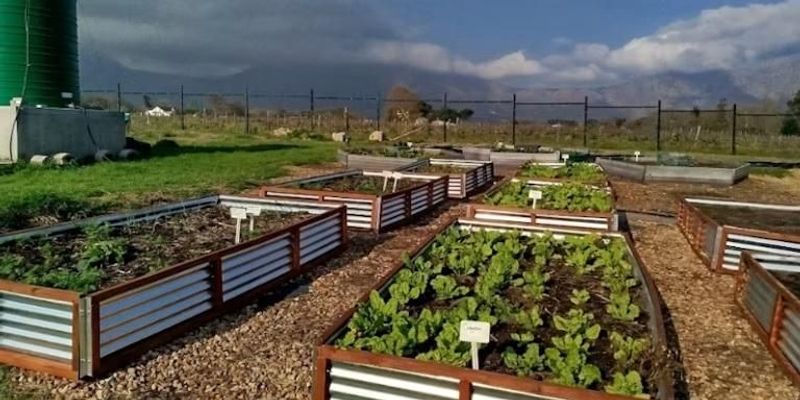
A natural filter using biochar, small stones, and coarse sand is effectively reducing bacteria levels in a polluted South African river.
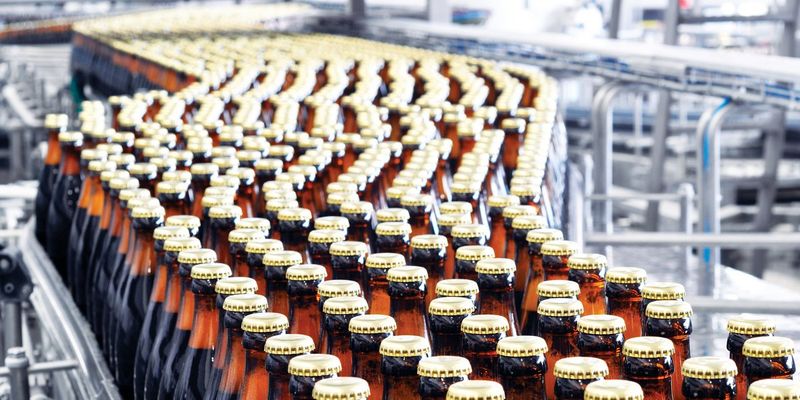
Researchers at the University of Patras improved E. coli retention in sand by adding 10% biochar from brewery waste, achieving 94.1% removal compared to 17.8% with unamended sand.
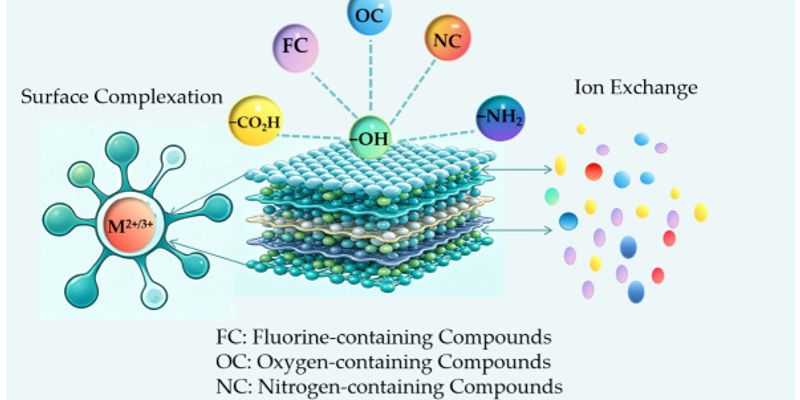
Researchers have reviewed the preparation and application of layered double hydroxides (LDHs) and biochar composites for water pollution control. The coprecipitation method shows promise for industrial-scale production due to its simplicity and effective pollutant adsorption.
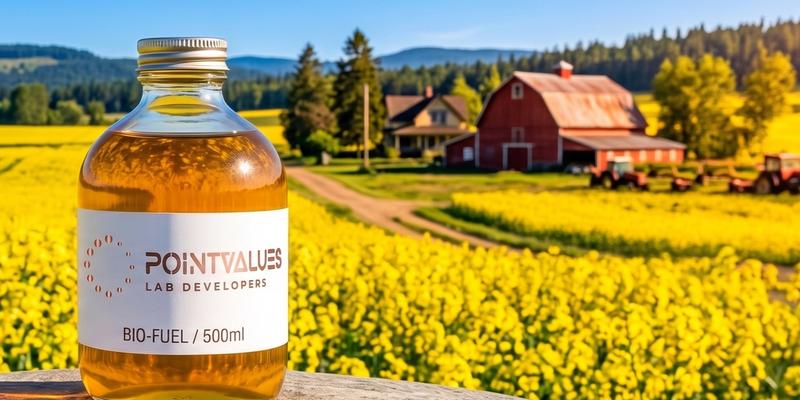
POINTVALUES, a BC Tech finalist, is transforming mustard waste into biochar and bio-oil, enhancing carbon sequestration and soil remediation capabilities.
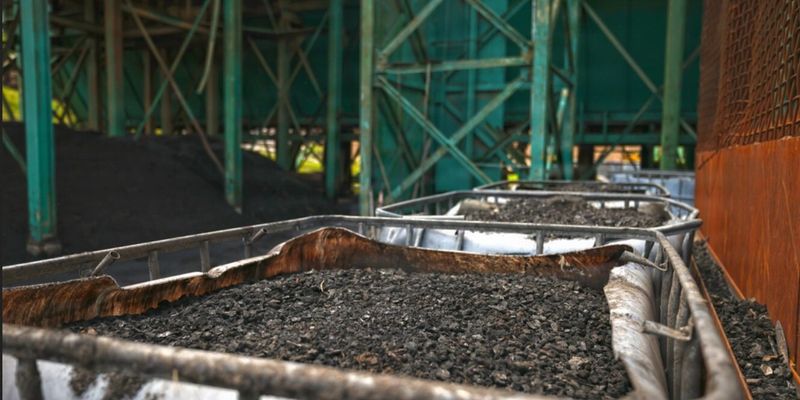
The North Carolina Department of Environmental Quality awarded $1 million for mobile biochar equipment to convert Hurricane Helene debris into a soil amendment for flood-damaged farmland in Haywood County.
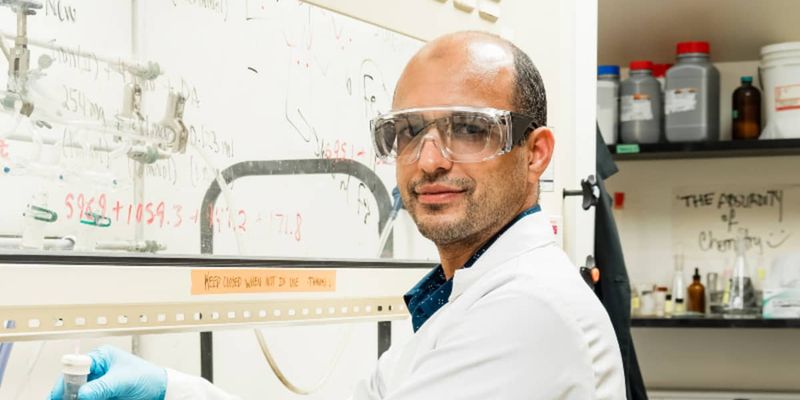
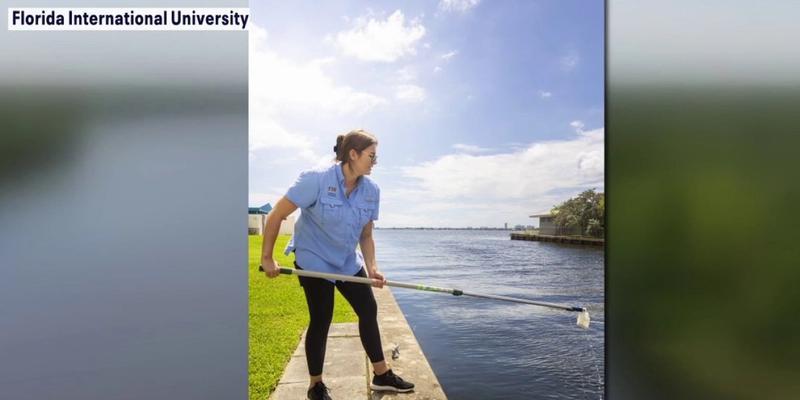
FIU researcher Islam Ibrahim Hussein developed a reusable filter from rice husk biochar to remove industrial dyes from water. The material was effective in tests and can be reused multiple times.
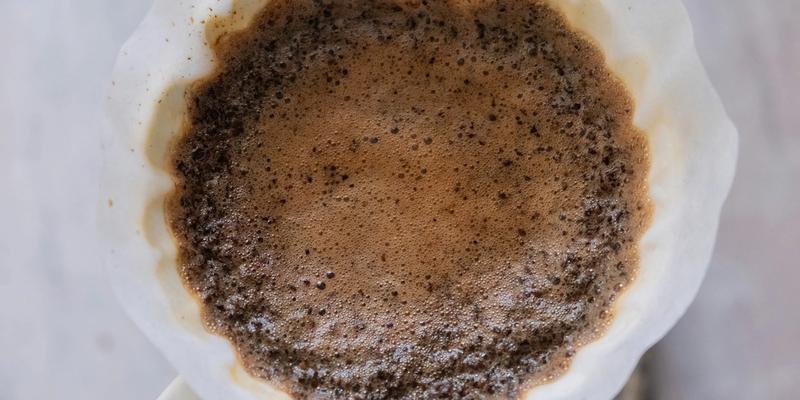
Researchers at Yunnan Minzu University developed a biochar catalyst from spent coffee grounds that converts over 99% of hydrogen sulfide into elemental sulfur, offering a sustainable waste treatment solution.
Researchers converted eucalyptus wood waste into biochar, achieving an aluminum adsorption capacity of 139.2 mg/g. The biochar retained 78% capacity after five reuse cycles, highlighting its durability.
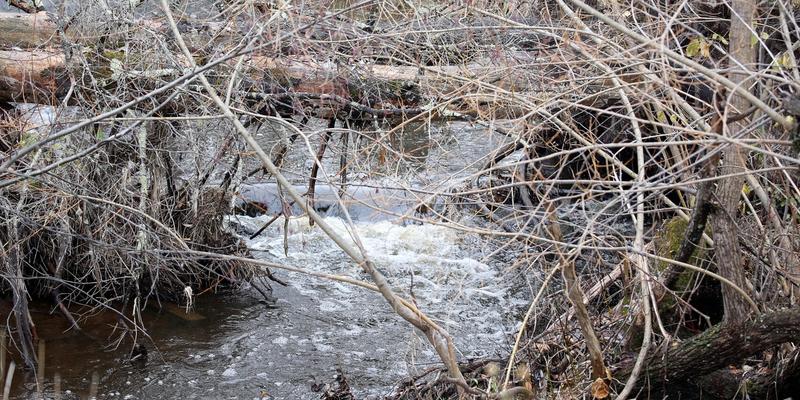
St. Louis County, the city of Duluth, and other partners have implemented a green-infrastructure project at Hartley Nature Center to divert and filter stormwater runoff from 117 acres, using biochar among other materials to remediate contaminants. This initiative is significant for advanced carbon materials as it utilizes biochar, a form of carbon, to improve water quality by removing pollutants, benefiting ecosystems connected to Lake Superior.
Researchers at Florida International University have found that a water sample from the Hillsborough River near downtown Tampa contained 12 nanograms per liter of 6PPD-Q, a toxic chemical from tire wear, exceeding the EPA benchmark of 11 nanograms per liter. This study highlights the potential of using sargassum-based biochar to filter out harmful pollutants, which could protect Florida's aquatic ecosystems from the adverse effects of tire-derived chemicals.
Researchers from the study published in Biochar have demonstrated that using iron and manganese modified biochar (FMBC) with specific irrigation strategies can significantly reduce cadmium and mercury levels in rice grown in co-contaminated paddy fields. This approach could enhance the safety of rice by stabilizing these metals and reducing their uptake, offering a viable solution for managing heavy metal contamination in agricultural soils.

The Government of Himachal Pradesh, in collaboration with Dr Y.S. Parmar University of Horticulture and Forestry and ProClime Services Private Limited, has launched India's first indigenous biochar project in Hamirpur district, aiming to convert forest biomass into biochar to reduce fire risks and generate carbon credits. This initiative is significant for the advanced carbon materials sector as it transforms waste biomass into biochar, a stable carbon-rich material, thereby contributing to carbon sequestration and offering a sustainable model for forest management and rural livelihoods.

A physics-informed machine learning model optimises biochar production for water treatment, aiming to close the gap between laboratory results and large-scale application.
Researchers at RSC Advances led by Hai Bang Truong have demonstrated that engineered biochar can increase arsenic removal efficiency by seventy-two times. This advancement in biochar technology could significantly enhance water purification processes, making it a valuable tool for environmental remediation.

Bakkafrost Scotland showcased its Applecross recirculating aquaculture system (RAS) facility during a visit by Scotland’s marine minister, highlighting its strategy of rearing salmon longer in freshwater conditions. The facility plans to install pyrolysis technology to convert hatchery waste into biochar, aligning with efforts to reduce environmental impact and enhance sustainability in aquaculture.
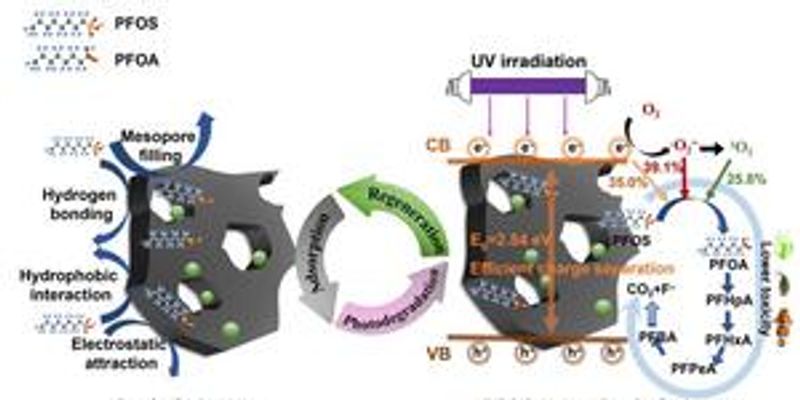
Researchers at an unnamed institution have developed a photoregenerable β-Ga₂O₃-functionalized biochar that captures and breaks down PFOS, a persistent "forever chemical," under UV light. This advancement could significantly enhance the use of biochar in water treatment applications, addressing contamination by PFOS and potentially other similar pollutants.
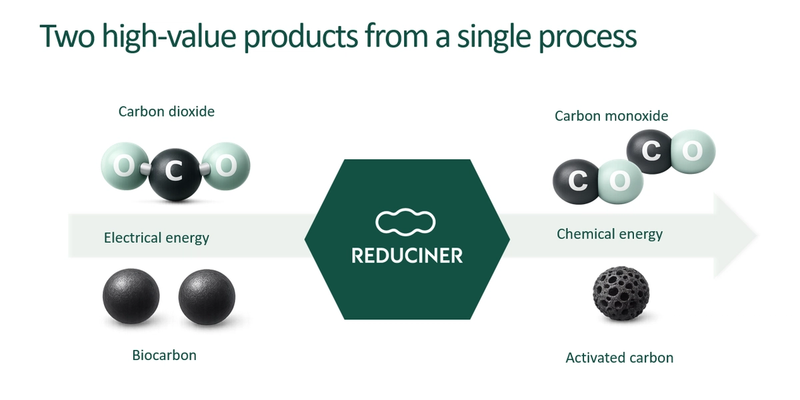
Researchers have developed an electrified process to convert CO2 and biochar into carbon monoxide and activated carbon. This advancement could enhance the production of activated carbon, a material crucial for water treatment, metals recovery, and air purification.
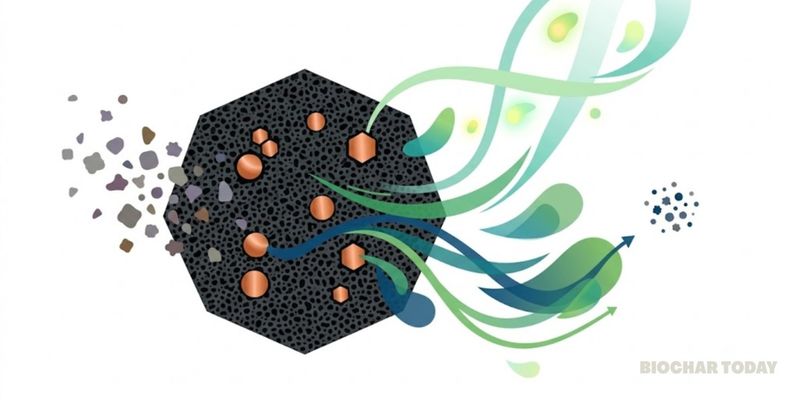
Chohee Yang and colleagues published a study in npj Clean Water showing that copper-incorporated biochar synthesized under a CO₂ atmosphere removes 90.8% of bisphenol A via adsorption and achieves over 99% total degradation with peroxydisulfate, while the production process yields syngas comprising 94% of total gas output. The findings are relevant to the biochar sector as they demonstrate a pathway to engineer biochar with both high-performance catalytic water treatment capability and improved thermochemical energy recovery in a single production process.
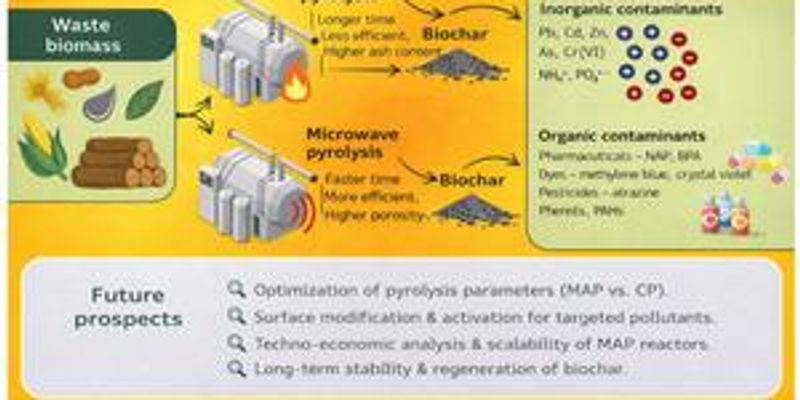
A review published in *Biochar* by Rasool et al. compared conventional and microwave-assisted pyrolysis, finding that microwave-derived biochars exhibit higher surface area, stronger mesoporosity, and greater retention of functional groups. For the biochar sector, the findings indicate microwave-assisted pyrolysis can produce more effective adsorbents for heavy metals and organic pollutants, though reactor scale-up and energy balance challenges must be resolved before industrial adoption.
A review published in the journal *Biochar* compared conventional and microwave-assisted pyrolysis as production routes for biochar, finding that microwave-derived biochars typically exhibit higher surface area, stronger mesoporosity, and greater retention of functional groups relevant to pollutant capture. For the advanced carbon materials sector, the findings highlight biochar's expanding role beyond remediation into electrode materials and catalysis, while noting that reactor scale-up and energy balance challenges must be resolved before microwave-assisted pyrolysis reaches industrial viability.
Researchers at Harbin Institute of Technology (Shenzhen) embedded sorghum straw biochar into a polyzwitterionic hydrogel and achieved a solar evaporation rate of 3.57 kg m⁻² h⁻¹ under one-sun irradiation, roughly 1.87 times higher than the biochar-free hydrogel. The study demonstrates that low-cost biomass-derived biochar can simultaneously enhance photothermal conversion, heat localization, and water molecule activation in hydrogel evaporators, offering a viable pathway for biochar use in solar-driven desalination materials.