News12 October 2026· Biochar Feed
Biochar Enhances Carbon Capture in Construction Waste Aggregates
BiocharCarbon CaptureConstructionConcreteSustainabilityResearch & Innovation
35 articles on Biochar in Construction.
Researchers led by Weizhuo Zhang found that alkali-modified biochar in construction waste aggregates boosts carbon dioxide uptake and increases compressive strength by up to 851% through enhanced carbonation.
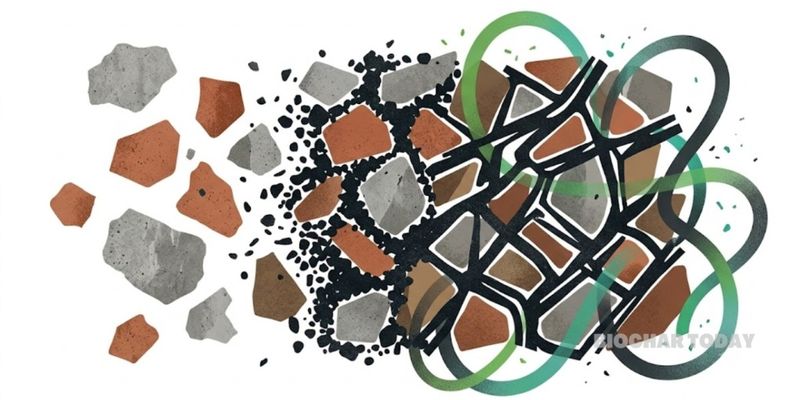
Park City is piloting biochar production in Thaynes Canyon to reduce wildfire risks and improve soil health. The project covers 200 acres and aims to enhance water retention.
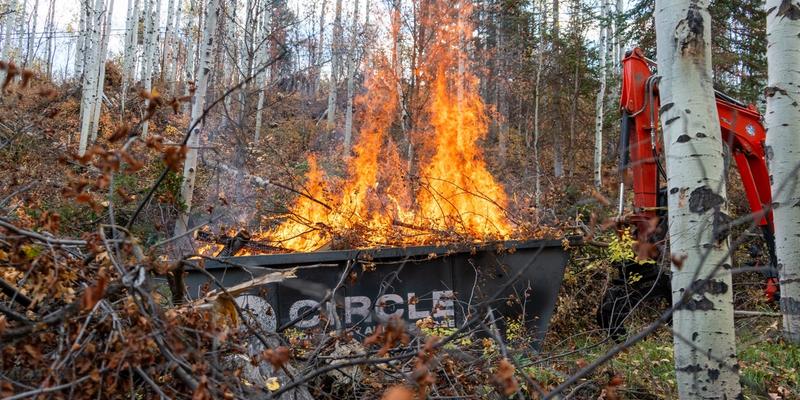
Obayashi used biochar-derived material in precast concrete curtain wall panels for the first time.
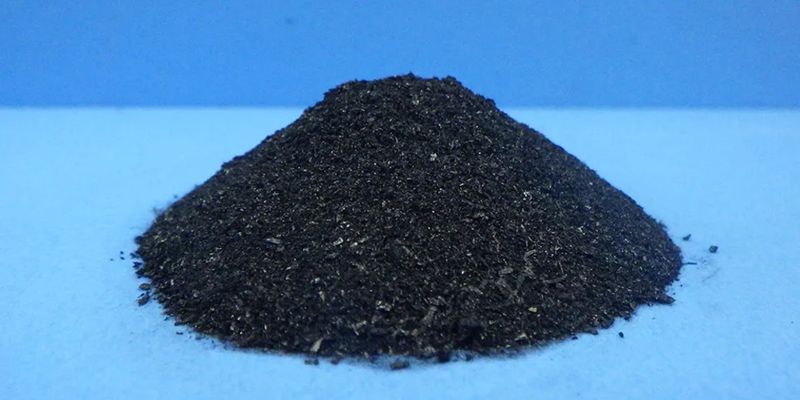
AMP has secured $70 million in financing led by Galvanize to expand its AI-powered waste processing in Portsmouth, Virginia. The facility will process over 500,000 tons of waste annually.
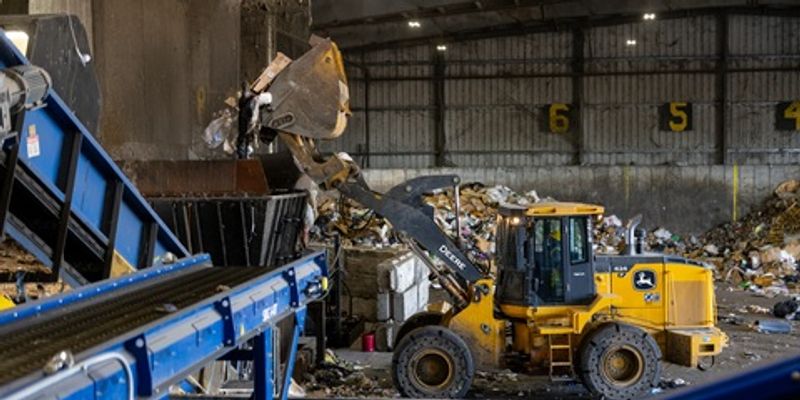
Cotierra raised $3 million to expand its decentralized biochar systems for tropical agriculture. The funding, led by Carbon Removal Partners and PINC, will support commercial scaling.
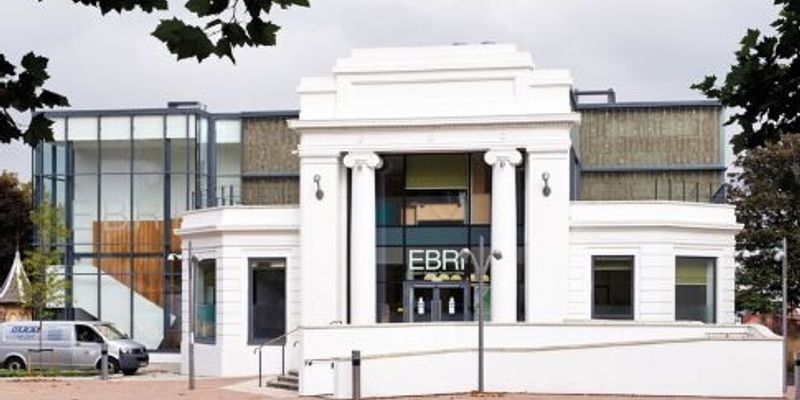
Researchers at Aston University are collaborating with Jesmonite to explore biochar as a sustainable alternative to cement.
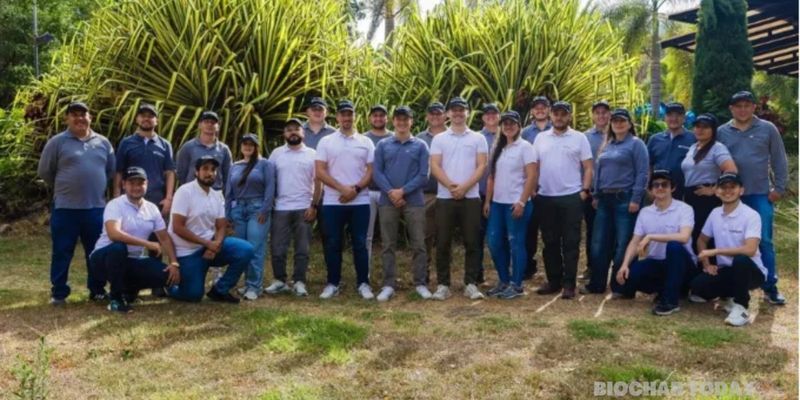
Exomad Green and Carbonfuture will supply 1.1 million tonnes of biochar carbon removal by 2035, tackling Bolivia's supply issues with certified pyrolysis and comprehensive digital tracking.
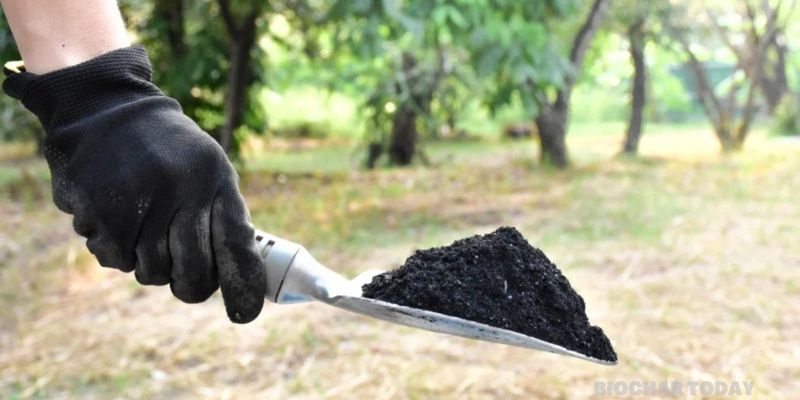
The Advanced Carbons Council calls for a U.S. carbon materials innovation platform focused on standards, testing and buyer qualification. The paper links engineered-carbon supply chains to manufacturing, energy, defense and AI infrastructure. Serves as a model for governments world-wide.
Mepco Schlenk Engineering College researchers developed a concrete mix with zeolite and bamboo biochar, increasing compressive strength by 7.48% and absorbing 1.2 grams of CO2 daily.

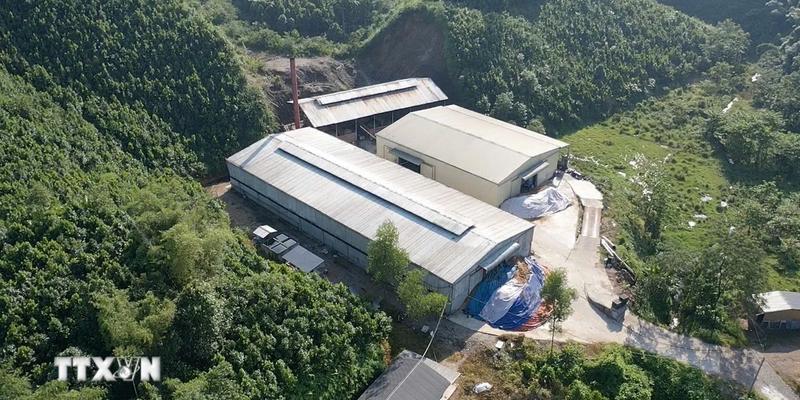
A biochar facility in Viet Hong commune, Lao Cai province, halted operations after complaints about emissions. The facility seeks guidance to complete legal procedures and resume production.
Carbon Hill's upgraded biochar plant in Wales now produces 2.5–3.0 tonnes daily, enhancing carbon sequestration efforts.
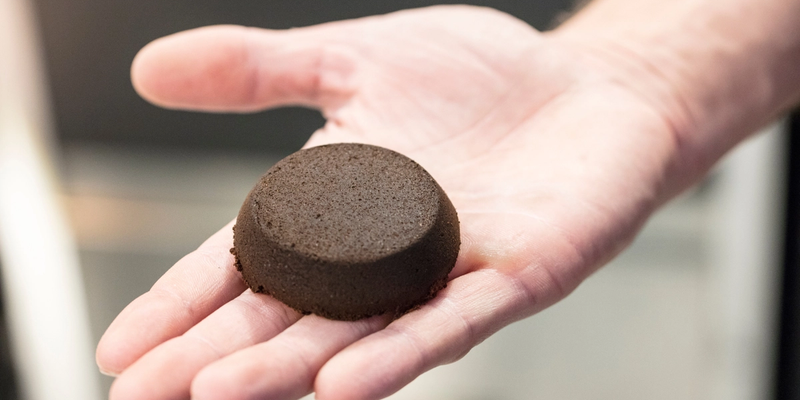
Researchers in South Korea have developed an insulation material from spent coffee grounds that performs comparably to Styrofoam. The material is biodegradable and uses a plant-based binder.
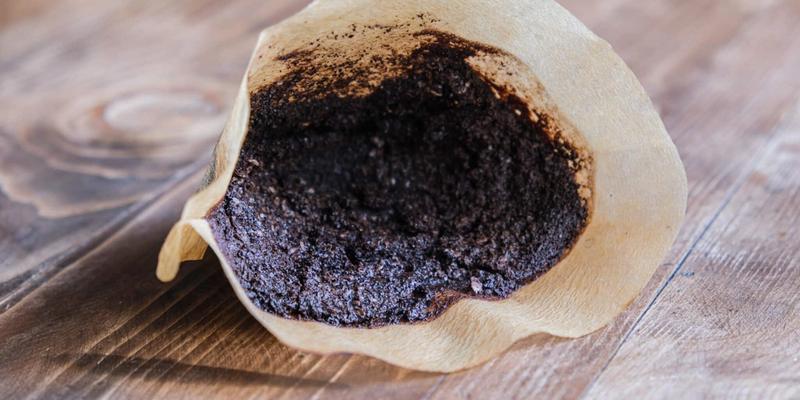
Researchers increased concrete's compressive strength by 29.3% by replacing 15% of sand with biochar from coffee grounds, charred at 350 degrees Celsius.
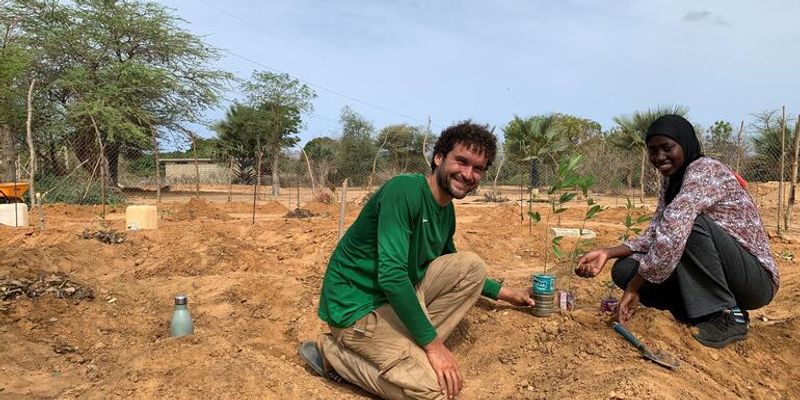
Young entrepreneurs in Ecuador, Senegal, Nigeria, and Bangladesh are transforming land restoration into economic opportunities, supported by the Youth Ecopreneur Programme. Their projects integrate technology and sustainable practices to boost productivity and market viability.
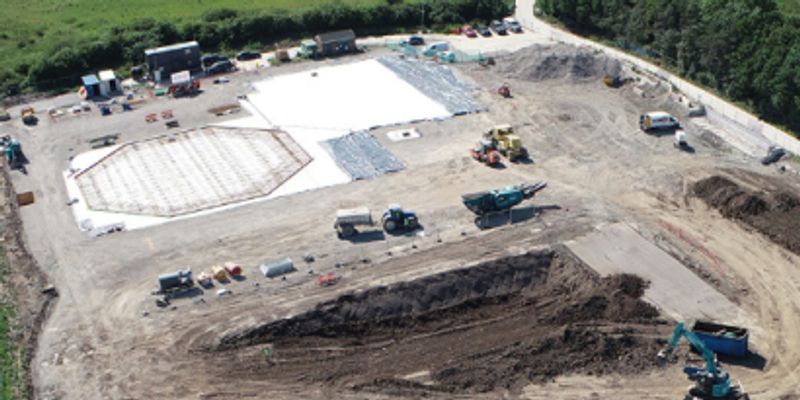
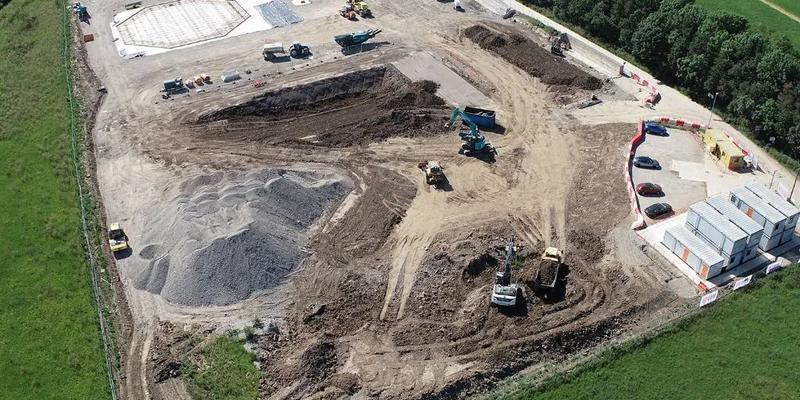
The Ellington anaerobic digestion facility will use 115 tons of Arigna biochar for ground stabilization, aiding carbon offset in construction. Completion is expected in approximately 18 months.
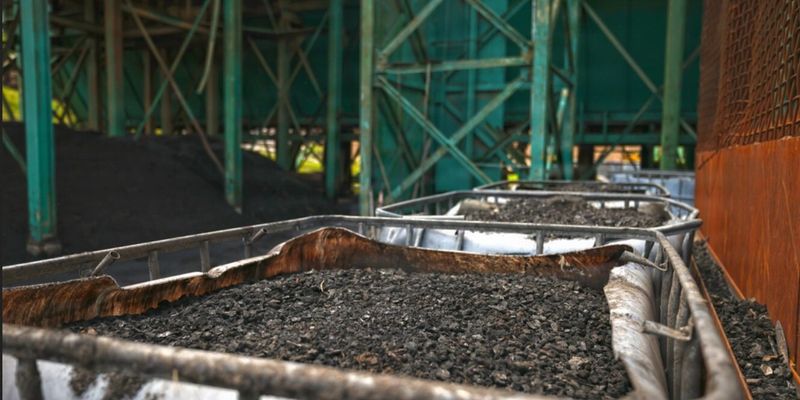
The North Carolina Department of Environmental Quality awarded $1 million for mobile biochar equipment to convert Hurricane Helene debris into a soil amendment for flood-damaged farmland in Haywood County.
The federal government is providing $7 million to the Capital Regional District for a biosolids project on Vancouver Island, transforming wastewater treatment leftovers into biochar.
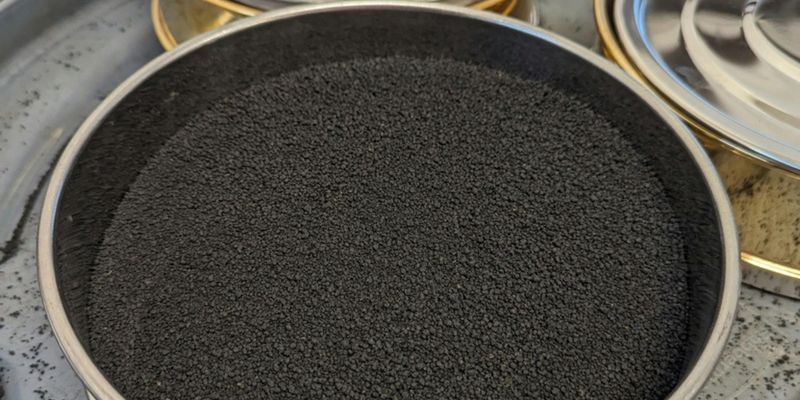
Arigna will supply 115 tonnes of biochar for ground stabilisation at the £35m anaerobic digestion plant in Northumberland, reducing the project's embodied carbon.
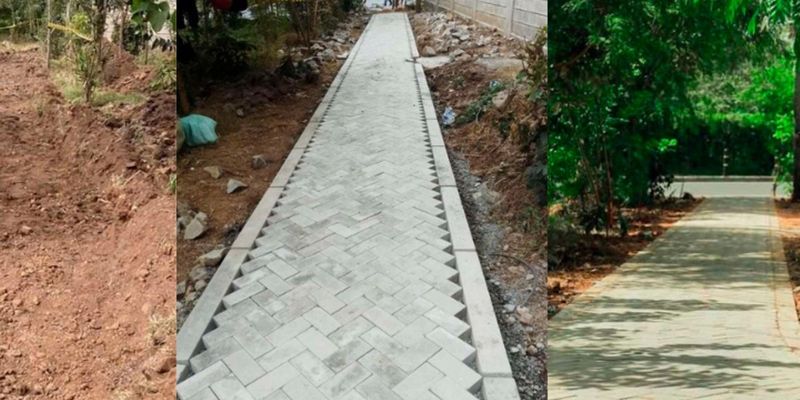
A new walkway in Nairobi's Upper Hill uses carbon-capturing concrete with biochar to test carbon-negative construction methods.
A new Biochar Research and Training Facility with a 1.5-ton daily processing capacity opened at Y.S. Parmar University in Himachal Pradesh to address forest fire hazards.

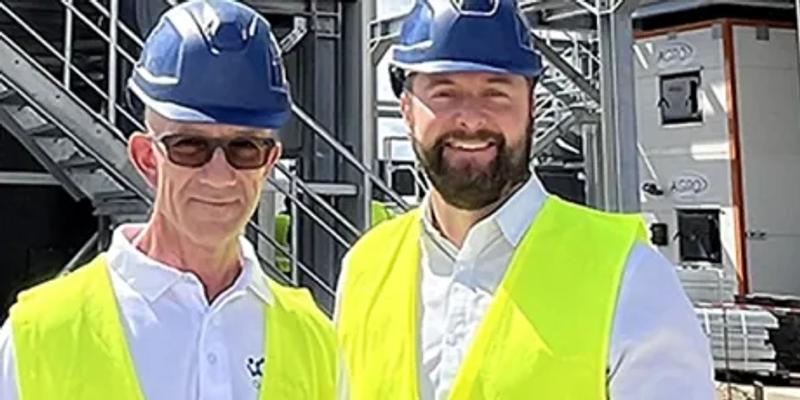
Vink Chemicals and pyropower GmbH celebrated the topping-out of a new biochar power plant in Schwerin, Germany, designed to supply energy to Vink's production site.
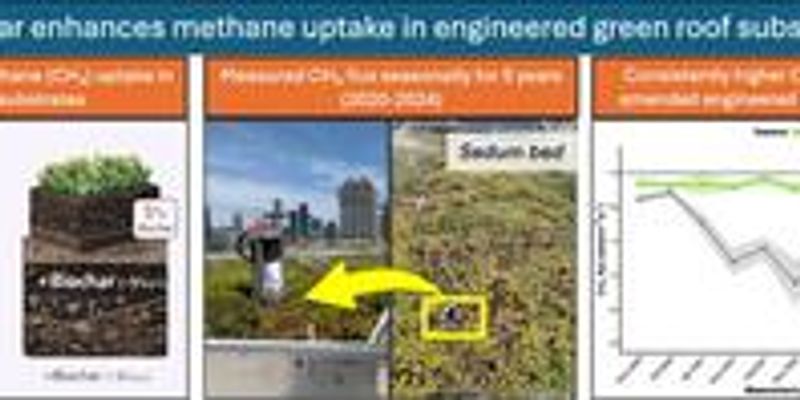
Researchers found that adding biochar to green roof substrates significantly enhances their capacity to absorb methane.
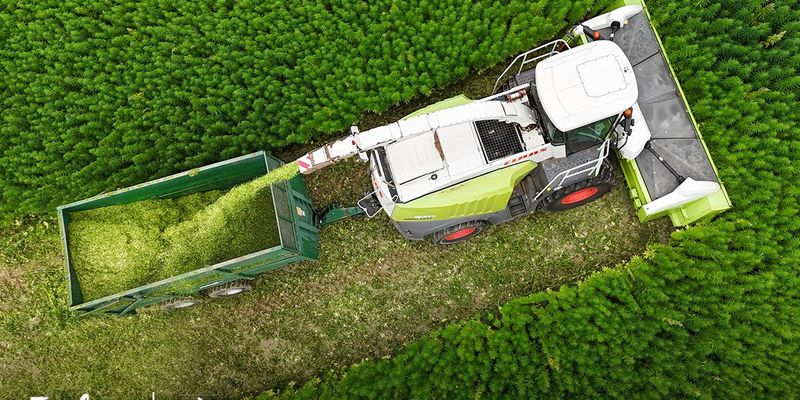
The EU's proposed carbon market update could allow hemp-based carbon storage technologies to qualify for trading in the Emissions Trading System starting in 2030.
Researchers at the World Resources Institute report that current global CO₂ removal capacity is insufficient to meet the 2030 target of one billion tonnes, with technologies like Direct Air Capture and biochar facing high costs and scalability challenges. This shortfall impacts the advanced carbon materials sector, as these technologies are crucial for achieving net-negative emissions and supporting the sustainable use of biochar and other carbon-based solutions.
Holcim introduced its biochar concrete at the Venice Biennale in 2025, collaborating with architect Alejandro Aravena. This development is significant for advanced carbon materials as biochar can enhance the sustainability of concrete by reducing its carbon footprint.
Verde Resources, through its subsidiary Verde Renewables, has signed a 10-year Master Commercialization and Collaboration Agreement with Ergon Asphalt & Emulsions to supply engineered biochar for road paving and manage associated carbon removal credits. This partnership positions Verde as a key supplier in the asphalt industry, leveraging biochar to create sustainable infrastructure solutions and potentially generating additional revenue through carbon credits.
Verde Resources and Ergon Asphalt & Emulsions have signed a 10-year agreement to advance the use of engineered biochar in cold paving applications, moving their collaboration into a commercial phase. This development is significant for the advanced carbon materials sector as it tests biochar's practical performance in real-world infrastructure projects, potentially paving the way for wider adoption of carbon-storing materials in road maintenance and construction.

The Government of Himachal Pradesh, in collaboration with Dr Y.S. Parmar University of Horticulture and Forestry and ProClime Services Private Limited, has launched India's first indigenous biochar project in Hamirpur district, aiming to convert forest biomass into biochar to reduce fire risks and generate carbon credits. This initiative is significant for the advanced carbon materials sector as it transforms waste biomass into biochar, a stable carbon-rich material, thereby contributing to carbon sequestration and offering a sustainable model for forest management and rural livelihoods.
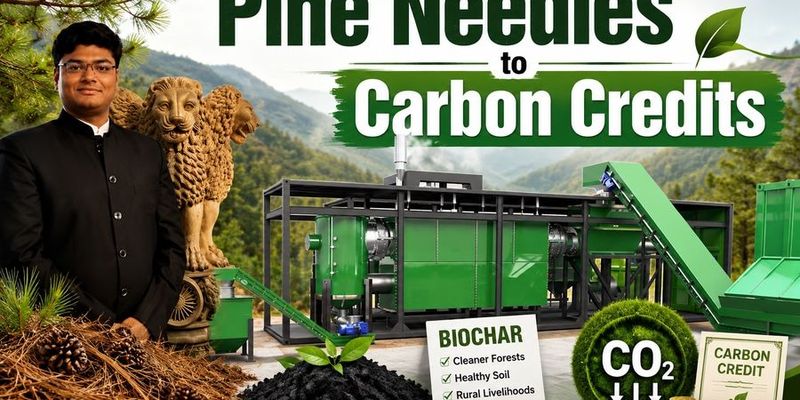
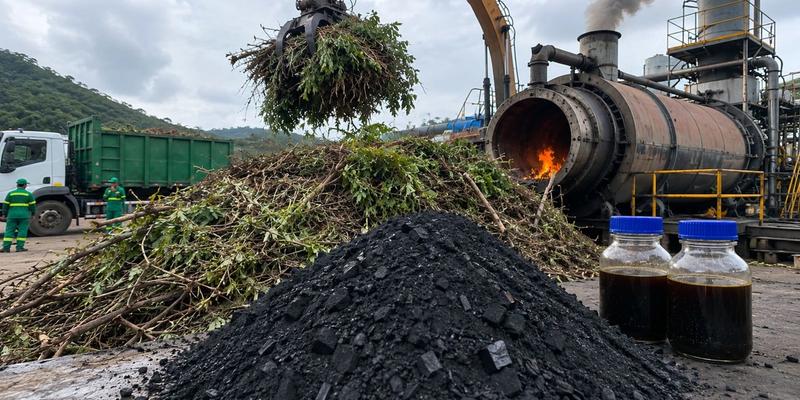
The International Virtual Institute of Global Changes and COMLURB have converted approximately one ton of urban tree trimmings in Rio de Janeiro into 300 kilograms of biochar and pyrolytic oil using pyrolysis. This initiative transforms municipal green waste into valuable resources for soil improvement and energy research, highlighting a sustainable approach to waste management in the carbon materials sector.
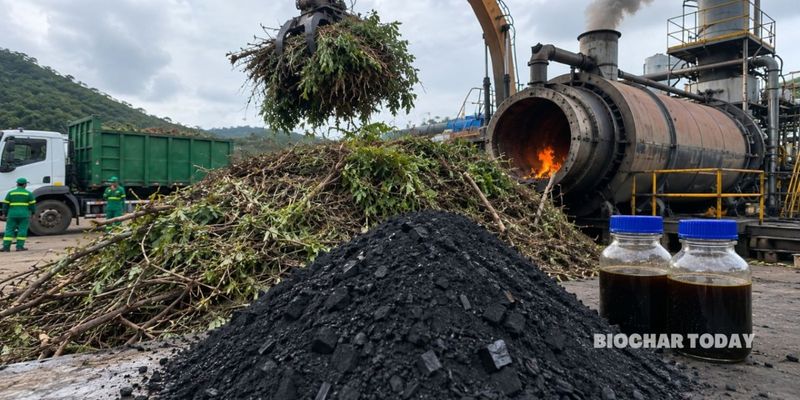
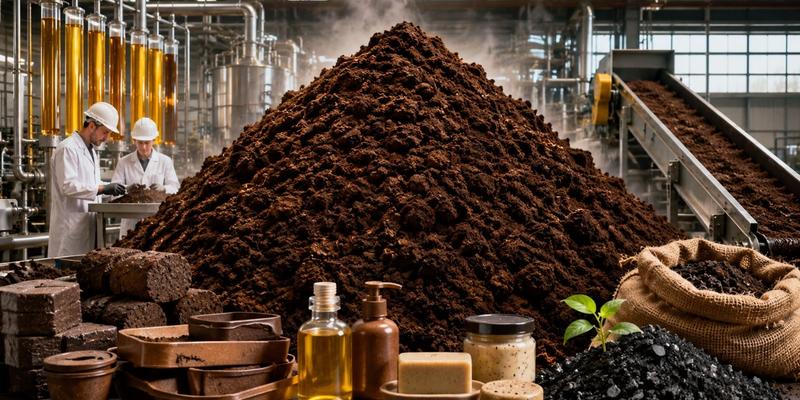
Coffee!Up in the Czech Republic is transforming used coffee grounds into products like natural soap, coffee oil, biomass, and biochar, as highlighted by the European Commission. This initiative is significant for the advanced carbon materials sector because it demonstrates the potential for waste coffee grounds to be converted into valuable materials such as biochar, which can improve soil health and contribute to carbon sequestration efforts.
Researchers at the International Virtual Institute of Global Changes, COPPE/UFRJ, in partnership with COMLURB, have converted one ton of urban pruning waste in Rio de Janeiro into approximately 300 kilos of biochar and pyrolytic oil. This initiative demonstrates the potential of using urban plant waste as a raw material for producing carbon-rich biochar, which can be used as a soil conditioner and for carbon storage, contributing to sustainable waste management and decarbonization efforts.
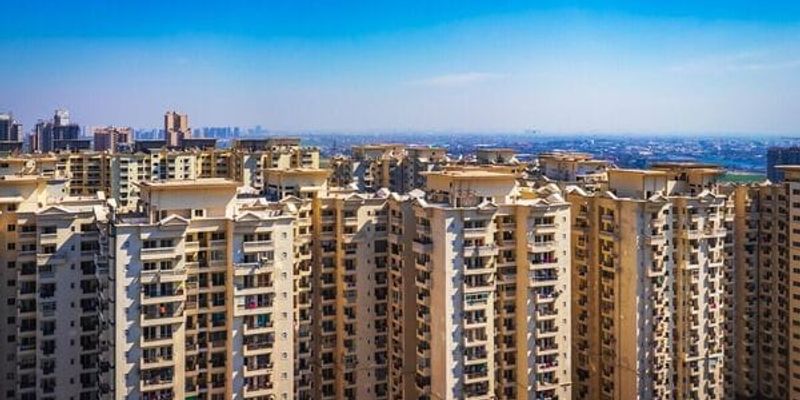
Ant Studio in Noida has designed a sustainable home for Kamran Haider using green cement and biochar to offset carbon emissions. This approach highlights the potential for advanced carbon materials like biochar to enhance sustainability in building design by reducing embodied carbon and improving energy efficiency.
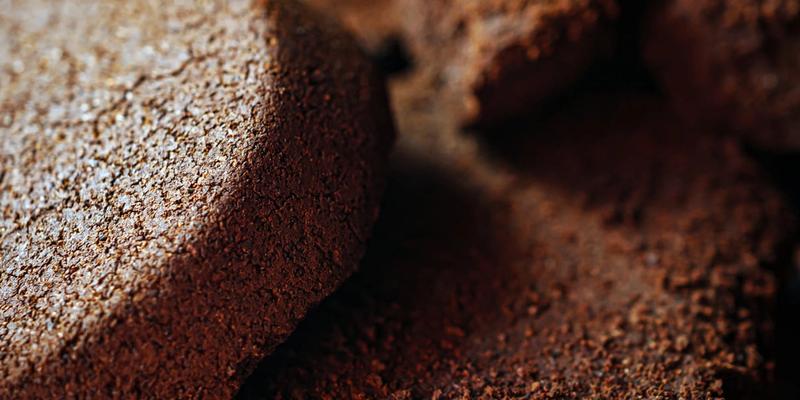
Researchers at RMIT University published a study in the Journal of Cleaner Production showing that spent coffee grounds processed via pyrolysis into biochar can increase concrete strength by up to 30%. The finding is relevant to the biochar sector as it demonstrates a scalable pathway for converting organic waste into a functional carbon-based construction material, potentially reducing landfill volumes and demand for natural sand.
Holcim conducted biochar concrete pilot projects across Europe in 2025, including test pours with Canary Wharf Group using biochar from forestry residues and coffee grounds, producing their first net-zero concrete mix. The trials signal a shift for the biochar sector from experimental additive to commercial-scale construction material, with Holcim describing it as a high-performance emissions-reduction input rather than a niche product.

The Advanced Carbons Council highlights graphene and related carbon materials being adopted in construction applications including concrete additives (Concretene, First Graphene), graphene-reinforced 3D-printed components (Versarien), asphalt modification, and corrosion-resistant coatings (Petronas). For the advanced carbon materials sector, construction has emerged as a leading commercial deployment area, with multiple suppliers demonstrating validated, scalable products that improve strength, durability, and emissions performance without requiring major process changes.