News5 October 2026· Biochar Feed
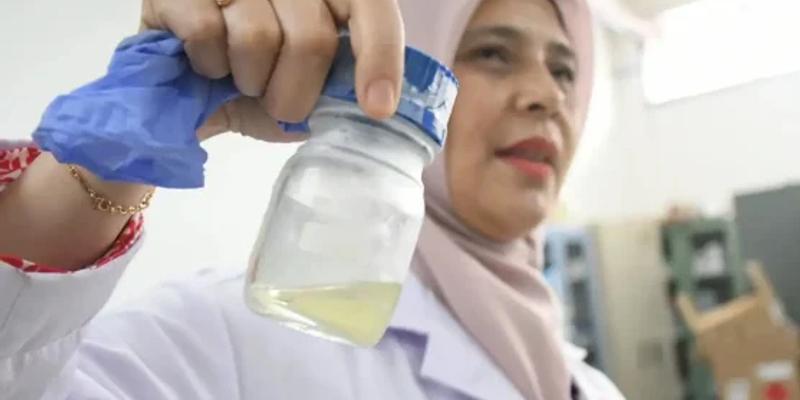
Banana peels become catalysts to enhance bio-oil from sewage sludge
BiocharEnergy GenerationCarbon CaptureSustainabilityResearch & InnovationSafety & Toxicology
52 articles on Biochar in Energy Generation.
Researchers in Qatar discovered that non-activated biochar from banana peels increased biocrude yield from sewage sludge to 37.88%, thanks to its high potassium content.
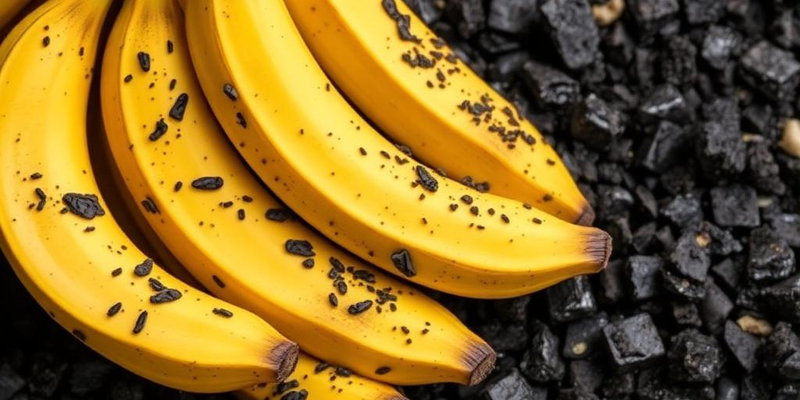
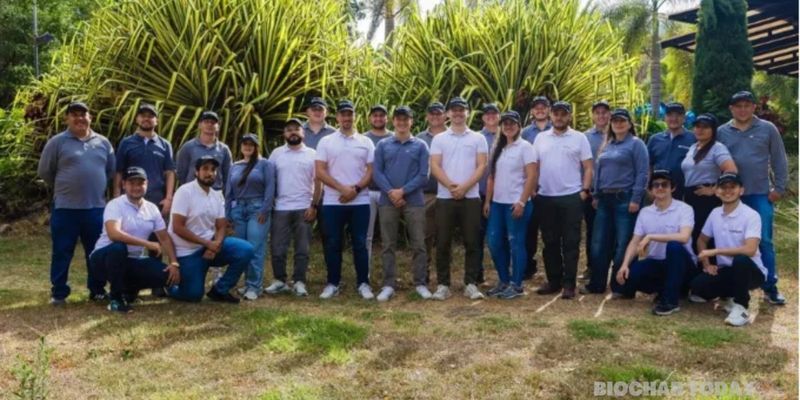
Cotierra raised $3 million to expand its decentralized biochar systems for tropical agriculture. The funding, led by Carbon Removal Partners and PINC, will support commercial scaling.
Researchers evaluated biochar as a sustainable substitute for coal and coke in steelmaking, focusing on its metallurgical, technical, and environmental impacts from input to steel production.
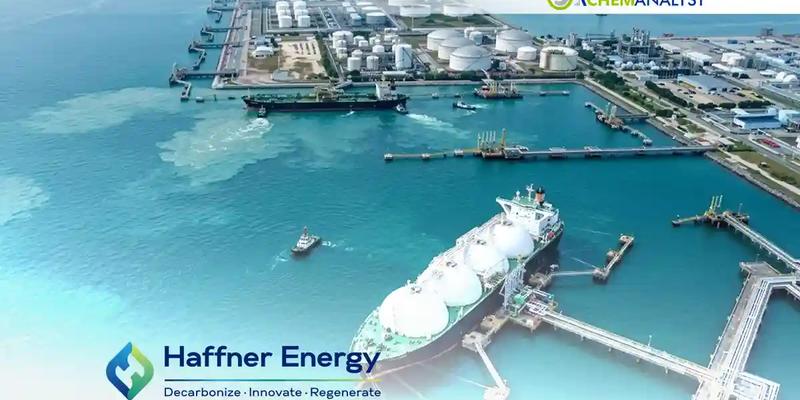
Haffner Energy received a €3.2 million contract to develop Quebec's inaugural Multi-Energy Hub, facilitating biochar and renewable fuel production.
Exomad Green and Carbonfuture will supply 1.1 million tonnes of biochar carbon removal by 2035, tackling Bolivia's supply issues with certified pyrolysis and comprehensive digital tracking.
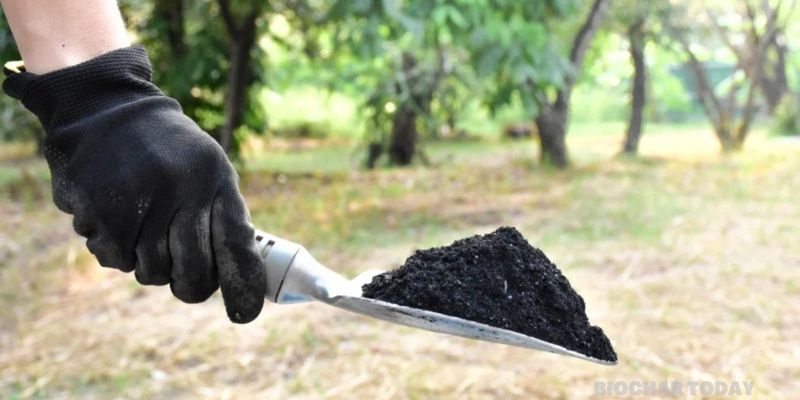
The Advanced Carbons Council calls for a U.S. carbon materials innovation platform focused on standards, testing and buyer qualification. The paper links engineered-carbon supply chains to manufacturing, energy, defense and AI infrastructure. Serves as a model for governments world-wide.
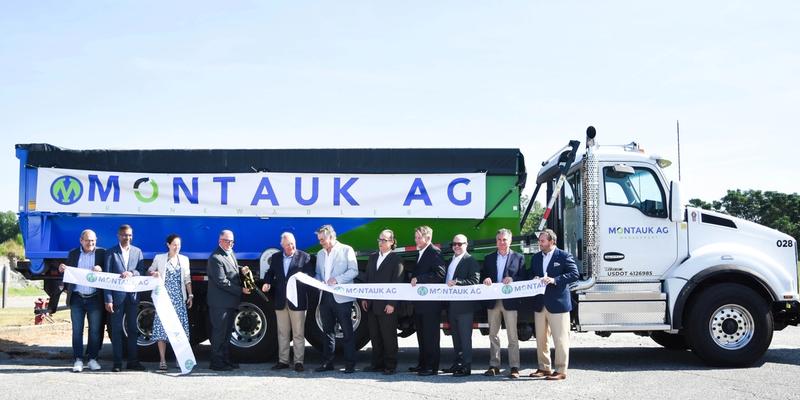
Montauk Renewables has opened a $200 million facility in Sampson County, North Carolina, turning swine waste into renewable energy and biochar.
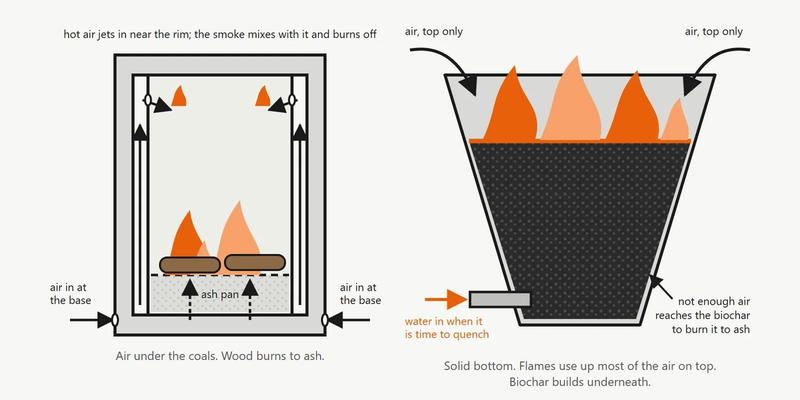
Smokeless fire pits efficiently burn wood by heating air between double walls for a cleaner burn, but they are not designed to produce biochar, which requires restricted airflow.
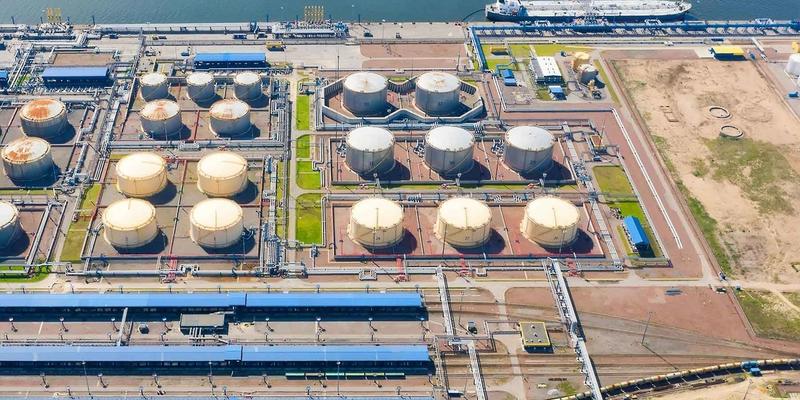
OroCarbo has reserved 12 Haffner systems for renewable hydrogen hubs planned in California, Oregon, and Washington State, utilizing residual biomass for clean energy production.
Researchers at Kunming University of Science & Technology measured the electron-transfer rate constant of dissolved black carbon, finding it increases with pyrolysis temperature, enhancing its electron-shuttle capability.

Carbon Hill's upgraded biochar plant in Wales now produces 2.5–3.0 tonnes daily, enhancing carbon sequestration efforts.
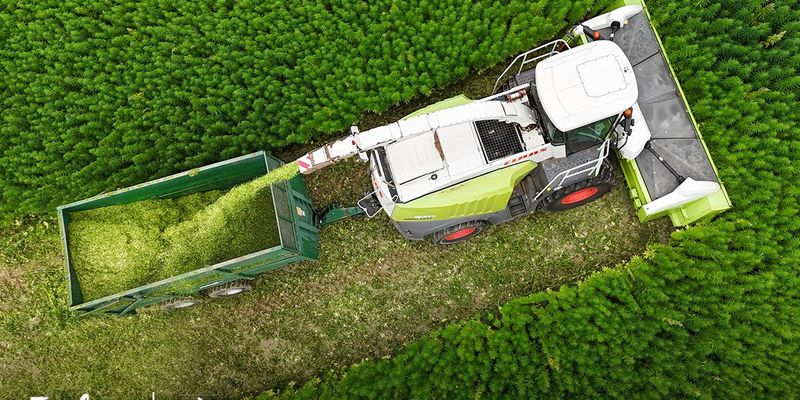
WasteX, a Singapore-based biochar pyrolysis manufacturer, has completed the first sale of its new model.
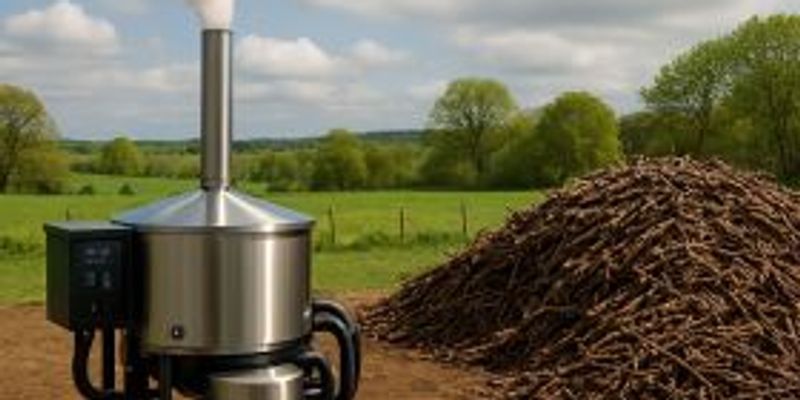
Researchers at the University of Castilla-La Mancha used zinc chloride to activate biochar from olive stones, creating a catalyst that achieved 20% CO2 conversion to methane.
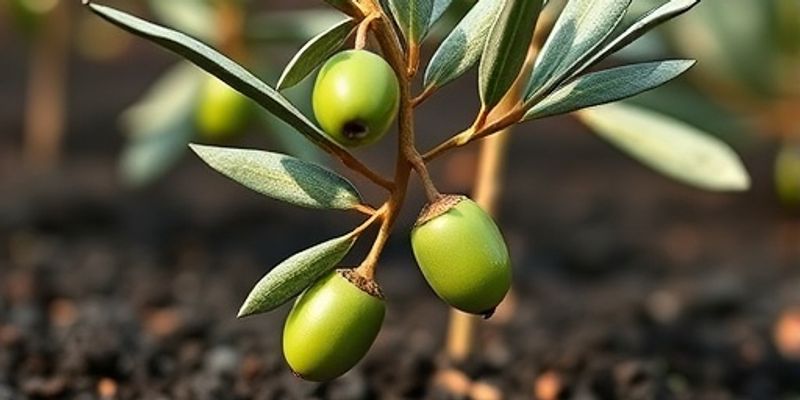
Nova Pangaea Technologies finished testing its biomass process, handling up to three tonnes of softwood residues daily. The company plans to establish its first commercial plant.

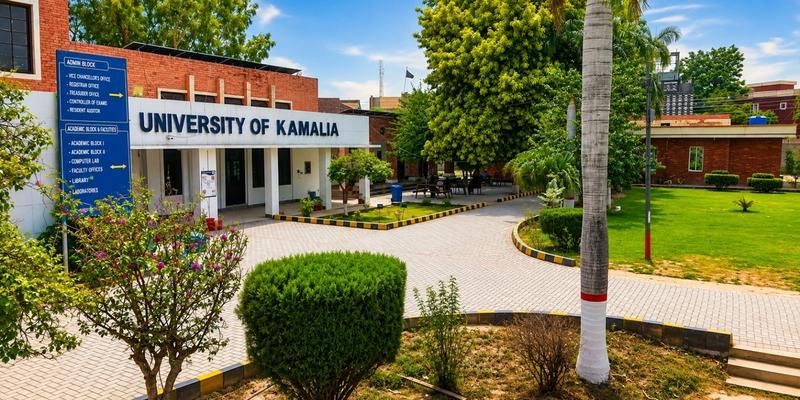
Kamalia University has initiated the SAFER PLUS project to convert agricultural residues into biochar, electricity, and surplus heat using an integrated system.
ABII and IDSurvey are enhancing standards, testing, and certification to meet rising global demand for Indonesian biochar.
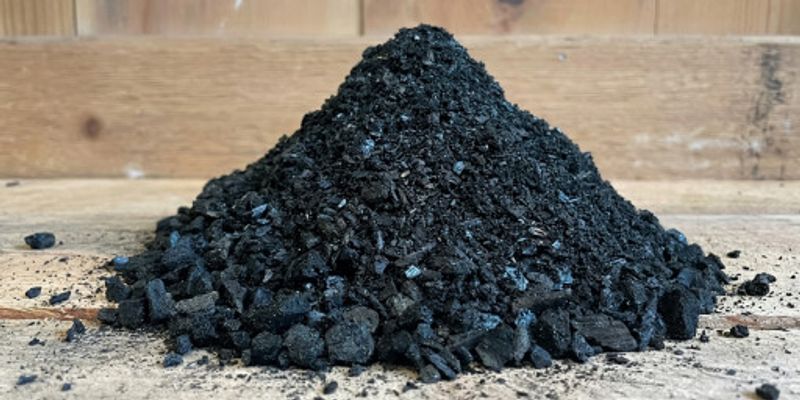
Researchers and industry leaders in Jakarta urge converting Palm Oil Mill Effluent into biogas. Indonesia's vast effluent pool remains largely untapped due to a lack of binding regulations.
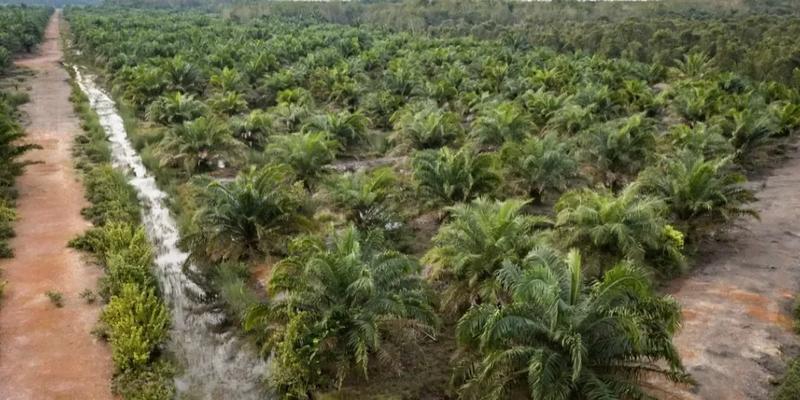
Aviva is repurposing its gasification facility to produce biochar, generating 12 MW of electricity and around 47,000 carbon-removal units.
A review indicates that adding biochar to anammox reactors could enhance their efficiency by acting as a conductive interface.
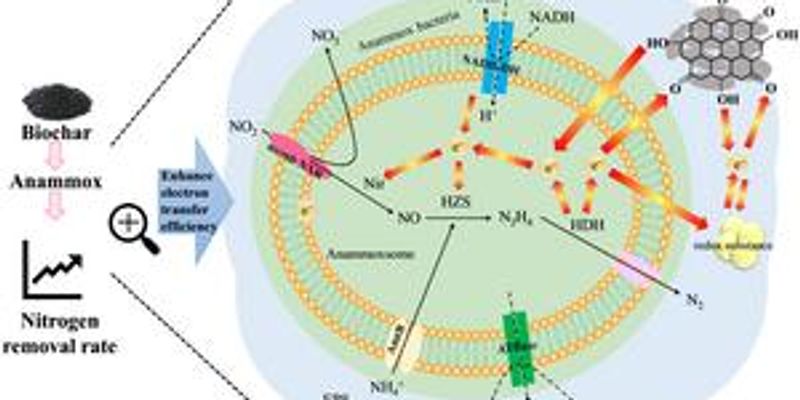
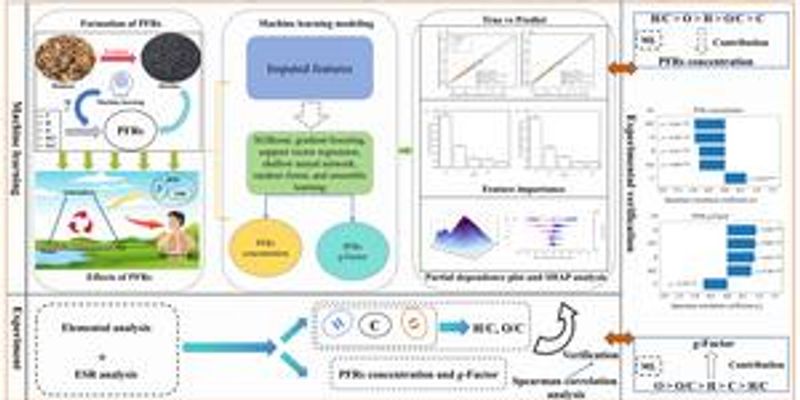
Researchers have used machine learning to predict the concentration of persistent free radicals and g-Factor in lignocellulose-derived biochar based on its elemental composition.
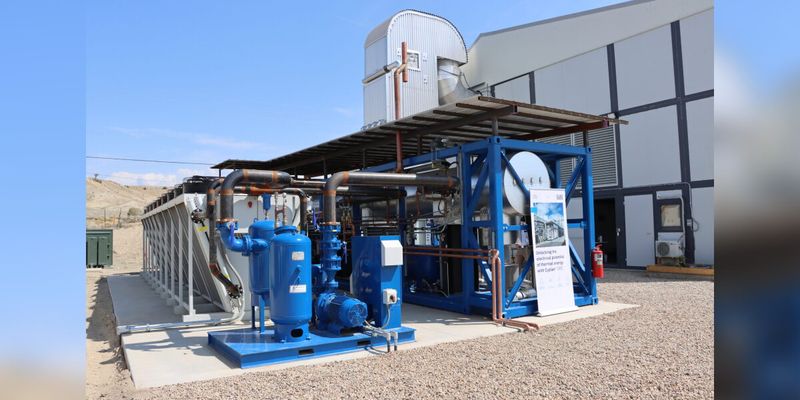
CO2 Sync has opened an emissions-free energy plant in Price, Utah, producing biochar to enhance soil nutrient retention.
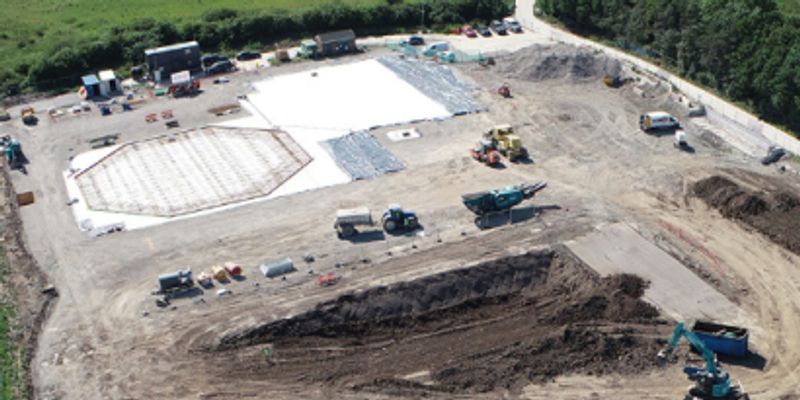
The Ellington anaerobic digestion facility will use 115 tons of Arigna biochar for ground stabilization, aiding carbon offset in construction. Completion is expected in approximately 18 months.
Researchers found that the gas environment during biomass heating significantly impacts biochar quality, alongside temperature.
The North Carolina Department of Environmental Quality awarded $1 million for mobile biochar equipment to convert Hurricane Helene debris into a soil amendment for flood-damaged farmland in Haywood County.
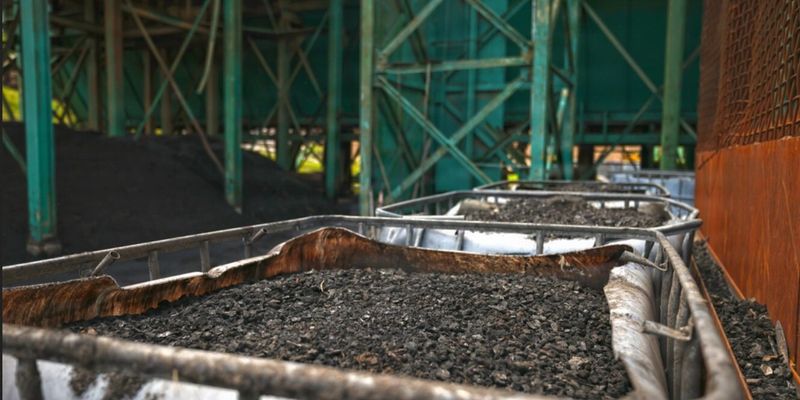
Penn State researchers are assessing the sustainability of Woodland Biomass Innovations' plan to convert 1,000 tons of wood residues daily into gasoline and biochar in Tioga County, Pennsylvania.
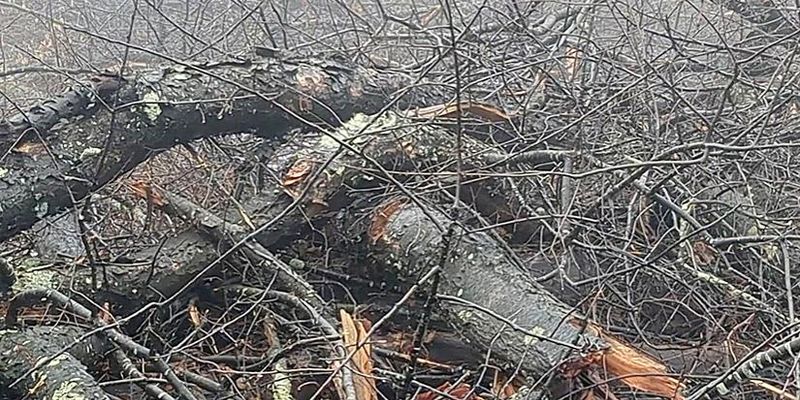
Himachal Pradesh has launched India's first indigenous biochar plant, processing 1.5 tonnes of pine needles daily to combat forest fires and climate change.
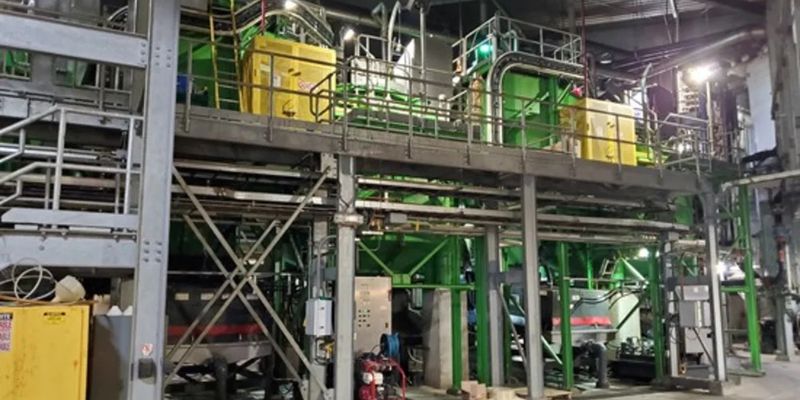
CCI BioEnergy has secured a contract to supply equipment for the Disco Road Organics Processing Facility in Toronto.
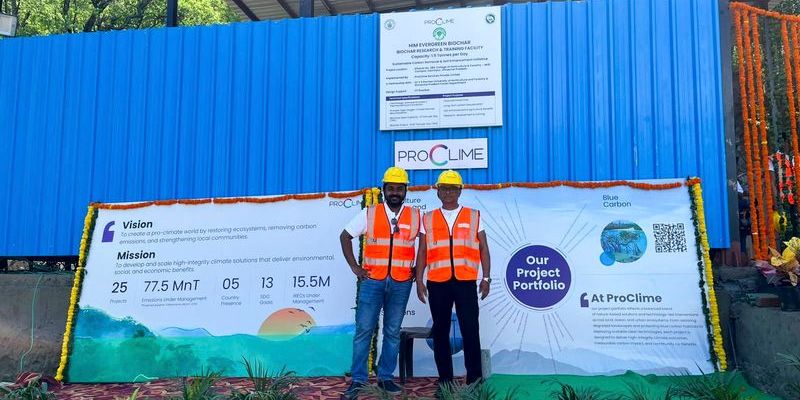
A new Biochar Research and Training Facility with a 1.5-ton daily processing capacity opened at Y.S. Parmar University in Himachal Pradesh to address forest fire hazards.

Vietnamese researchers are producing biochar and charcoal pellets from durian peels to reduce waste and increase the value of agricultural byproducts.
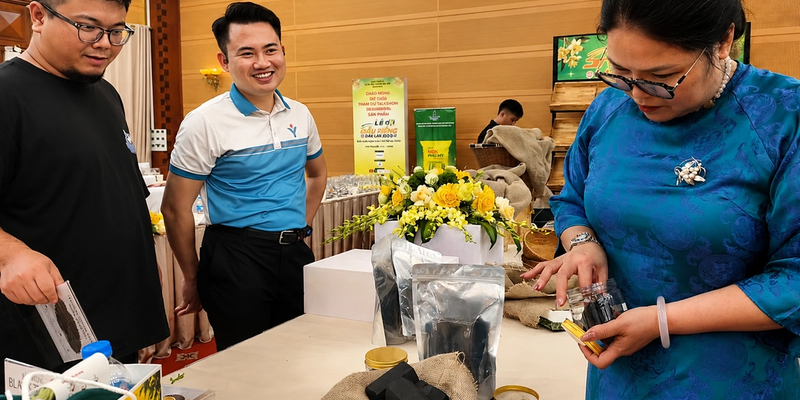
Vink Chemicals and pyropower GmbH celebrated the topping-out of a new biochar power plant in Schwerin, Germany, designed to supply energy to Vink's production site.

Researchers at Punjab Agricultural University review biochar's production routes and its use across environmental remediation, energy and catalysis, mapping how its physicochemical properties drive each application.
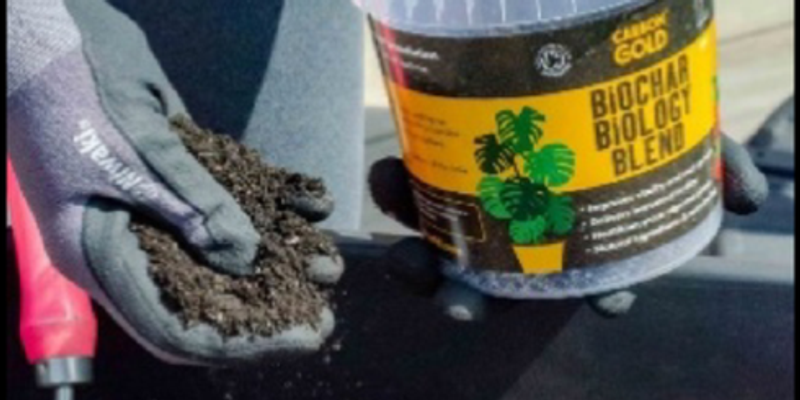
Weiwa Machinery shipped a continuous carbonization furnace to Pakistan, designed for high-capacity biochar production from local agricultural residues like coconut shells and rice husks.
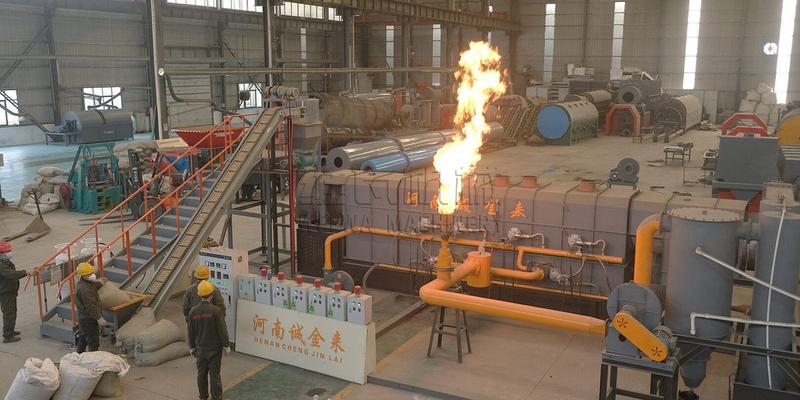
Eramet and the Gabonese Republic signed a memorandum to develop a biochar production sector using forestry by-products. An industrial seed fund "Made in Gabon" will also be launched.

Researchers at the World Resources Institute report that current global CO₂ removal capacity is insufficient to meet the 2030 target of one billion tonnes, with technologies like Direct Air Capture and biochar facing high costs and scalability challenges. This shortfall impacts the advanced carbon materials sector, as these technologies are crucial for achieving net-negative emissions and supporting the sustainable use of biochar and other carbon-based solutions.
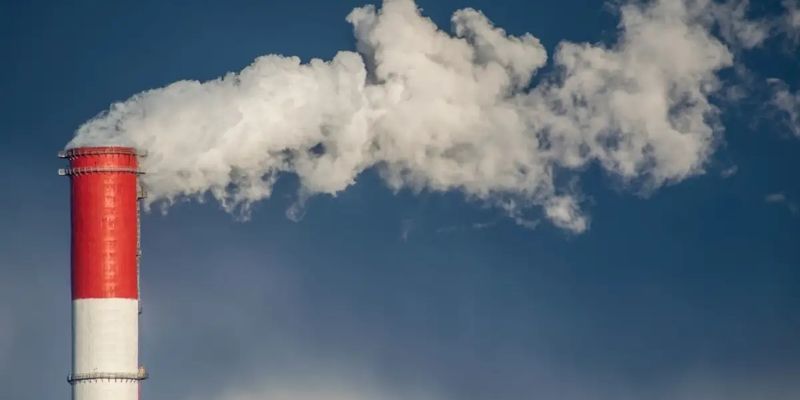
A report on biochar plants in Rajasthan indicates that UV treatment effectively maintains faecal coliform levels within permissible limits in treated liquids at most sites. This is significant for the biochar sector as it highlights the potential of biochar to be used in wastewater management while addressing environmental safety concerns.
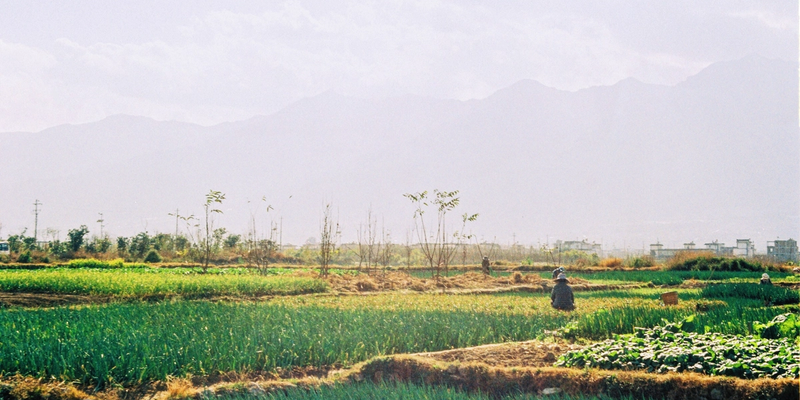
The Government of Québec has announced its Plan de gestion intégrée des ressources énergétiques (PGIRE), committing $87 billion over 25 years to boost renewable energy, including forest bioenergy. This investment could significantly advance the production of renewable natural gas and biocarbon, both critical for decarbonizing industries reliant on carbon-based fuels.
Valency International has opened Africa's first large-scale biochar plant using cashew nut shells in Côte d'Ivoire. This development could enhance the production of biochar, a carbon-rich material, from agricultural waste, promoting sustainable practices in the region.
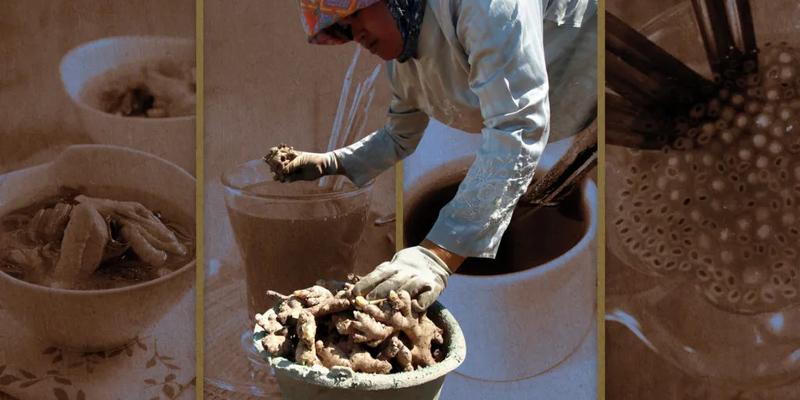
Researchers at the National Research and Innovation Agency have developed biobriquettes from ginger rhizome waste, offering an alternative energy source. This innovation not only reduces environmental pollution from ginger waste but also supports the clean energy transition by utilizing biochar derived from lignocellulose-rich materials.
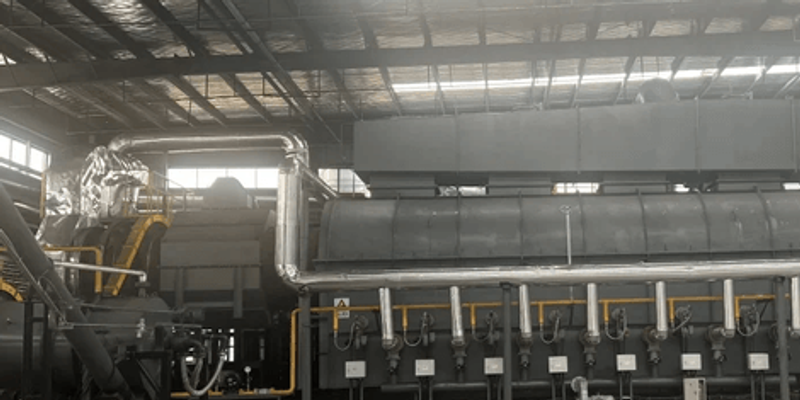
Researchers at the Institute of Environment under the Hefei Comprehensive National Science Center have developed a technology for large-scale biochar production from agricultural and forestry biomass, capable of producing over 50,000 tonnes annually. This advancement in biochar technology supports environmental sustainability by transforming agricultural waste into a high-value carbon-rich material, with applications in soil enhancement, energy storage, and more.
BrandName has introduced a continuous bamboo pyrolysis machine designed to convert waste bamboo materials into biochar. This development is significant for the biochar sector as it offers a sustainable method to recycle flue gas as heating fuel, enhancing the efficiency and environmental impact of biochar production.
The Government of Himachal Pradesh, in collaboration with Dr Y.S. Parmar University of Horticulture and Forestry and ProClime Services Private Limited, has launched India's first indigenous biochar project in Hamirpur district, aiming to convert forest biomass into biochar to reduce fire risks and generate carbon credits. This initiative is significant for the advanced carbon materials sector as it transforms waste biomass into biochar, a stable carbon-rich material, thereby contributing to carbon sequestration and offering a sustainable model for forest management and rural livelihoods.
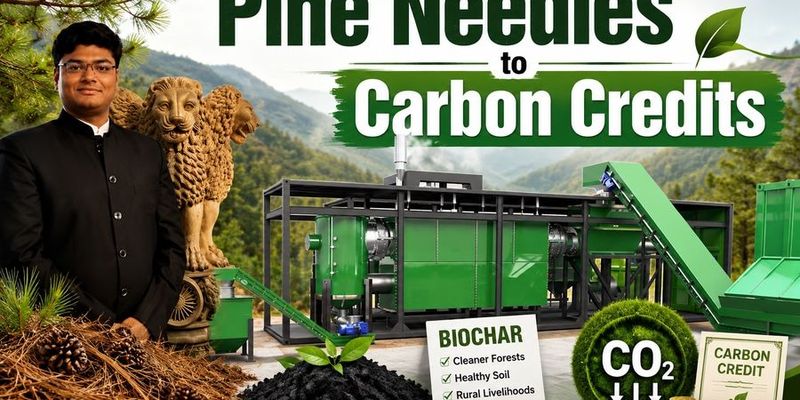
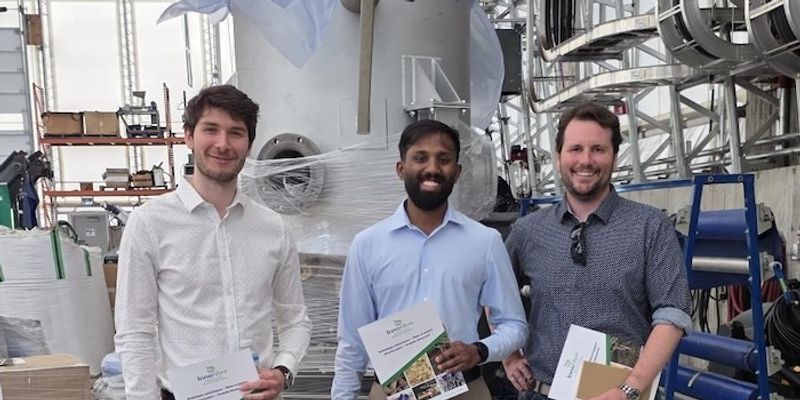
Innofibre is collaborating with PyroGenesis to convert biomass into syngas, focusing on the development and commercialization of bio-based products. This collaboration is significant for the advanced carbon materials sector as it enhances the production and application of biochar, a valuable carbon material.
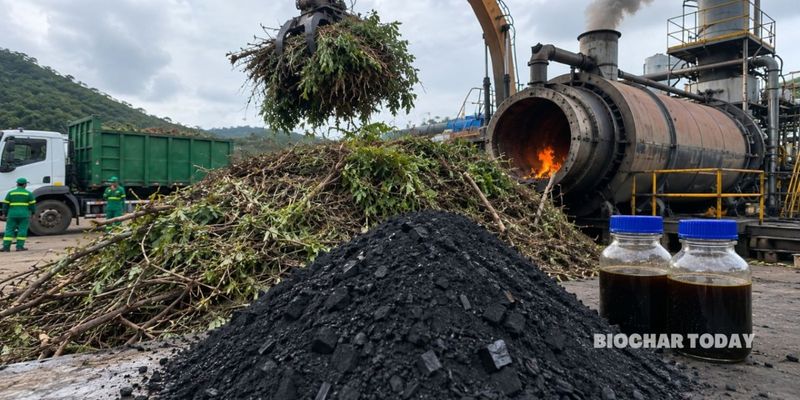
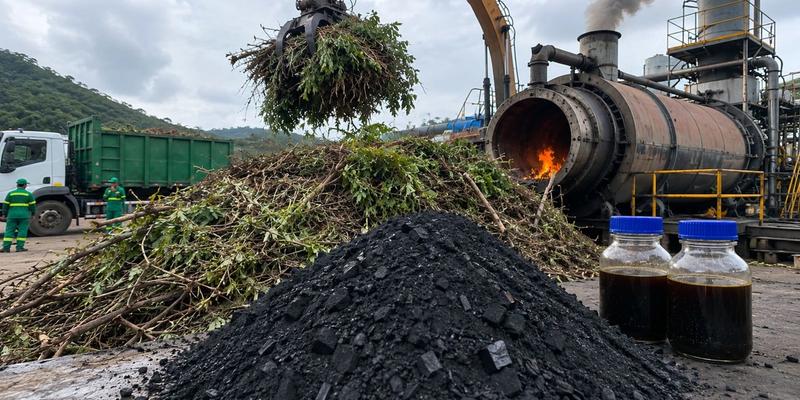
The International Virtual Institute of Global Changes and COMLURB have converted approximately one ton of urban tree trimmings in Rio de Janeiro into 300 kilograms of biochar and pyrolytic oil using pyrolysis. This initiative transforms municipal green waste into valuable resources for soil improvement and energy research, highlighting a sustainable approach to waste management in the carbon materials sector.
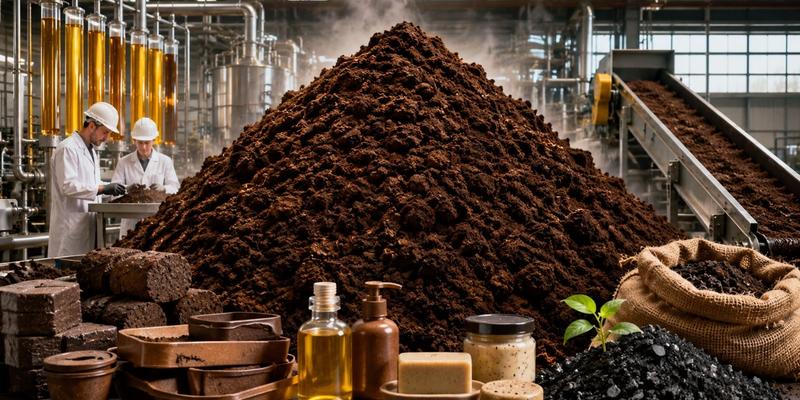
Coffee!Up in the Czech Republic is transforming used coffee grounds into products like natural soap, coffee oil, biomass, and biochar, as highlighted by the European Commission. This initiative is significant for the advanced carbon materials sector because it demonstrates the potential for waste coffee grounds to be converted into valuable materials such as biochar, which can improve soil health and contribute to carbon sequestration efforts.
W&nergy and Enerfip in France have launched a crowdfunding campaign to finance the conversion of local biomass into renewable syngas and high-stability biochar. This initiative could enhance biochar production, which is valued for its potential to improve soil health and sequester carbon.
Researchers at the International Virtual Institute of Global Changes, COPPE/UFRJ, in partnership with COMLURB, have converted one ton of urban pruning waste in Rio de Janeiro into approximately 300 kilos of biochar and pyrolytic oil. This initiative demonstrates the potential of using urban plant waste as a raw material for producing carbon-rich biochar, which can be used as a soil conditioner and for carbon storage, contributing to sustainable waste management and decarbonization efforts.
Ant Studio in Noida has designed a sustainable home for Kamran Haider using green cement and biochar to offset carbon emissions. This approach highlights the potential for advanced carbon materials like biochar to enhance sustainability in building design by reducing embodied carbon and improving energy efficiency.

Bakkafrost Scotland showcased its Applecross recirculating aquaculture system (RAS) facility during a visit by Scotland’s marine minister, highlighting its strategy of rearing salmon longer in freshwater conditions. The facility plans to install pyrolysis technology to convert hatchery waste into biochar, aligning with efforts to reduce environmental impact and enhance sustainability in aquaculture.
A review published in the journal Biochar highlights the potential of biochar-based porous materials for sustainable uranium capture. This is significant for advanced carbon materials as it suggests a new application for biochar in environmental remediation and resource recovery.
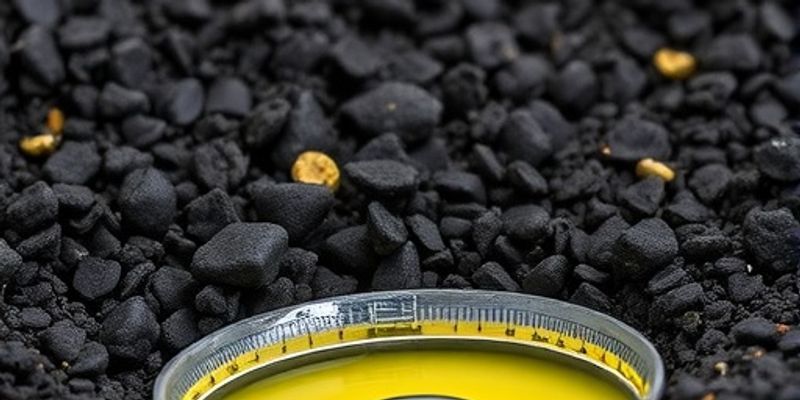
Researchers developed a biochar-based catalyst to convert microalgae into cleaner fuels, as reported on June 30, 2026. This advances biochar's role beyond soil amendment into catalytic applications, expanding its relevance within the advanced carbon materials sector.
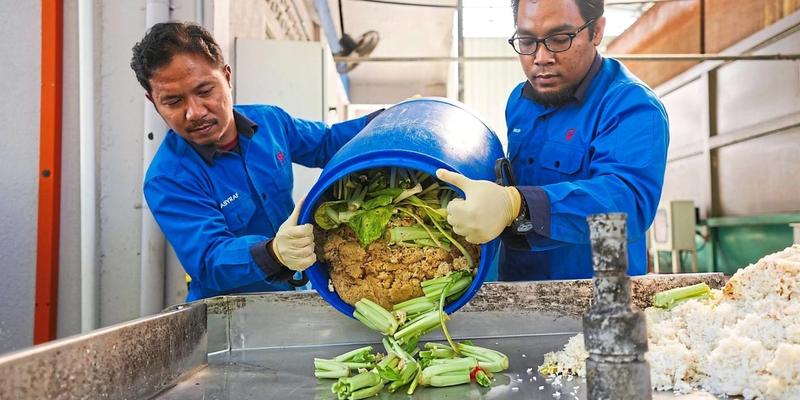
TNB Research has operated an anaerobic digestion and torrefaction pilot facility in Kajang since 2018, processing up to 350kg of food waste daily to produce biogas with 60–65% methane content and 10–30kg of biochar per torrefaction cycle. The biochar output is being evaluated for carbon material applications, soil improvement, and solid fuel enhancement, with data from the pilot intended to inform future scale-up decisions.
BRIN's Molecular Chemistry Research Center used slow pyrolysis to convert empty oil palm fruit bunch waste into bio-oil, liquid smoke, and biochar, with processing times of two to four hours. The process yields biochar as a value-added carbon material and bio-oil containing phenolic compounds usable as industrial boiler fuel or potential fuel additives.