News12 October 2026· Biochar Feed
Sitos Treehouse Plant Releases Almond Shell Biochar From $10 Million Facility
BiocharCarbon CaptureSustainabilityResearch & InnovationInvestment & Capital
60 articles on Biochar in Carbon Capture.
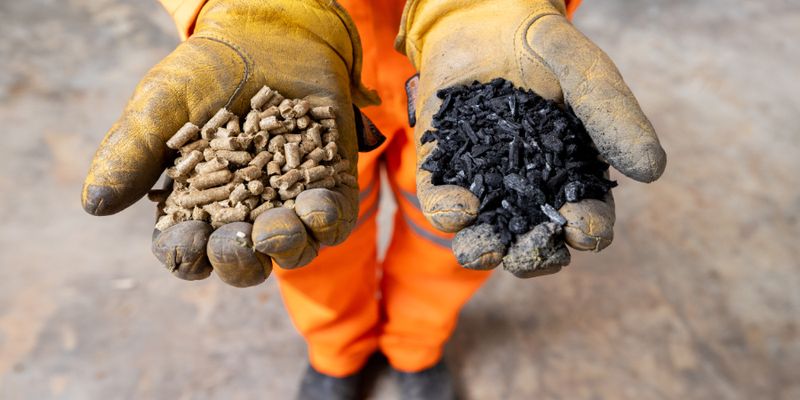
Sitos Treehouse Plant has released its first batch of almond shell biochar, produced using slow pyrolysis.
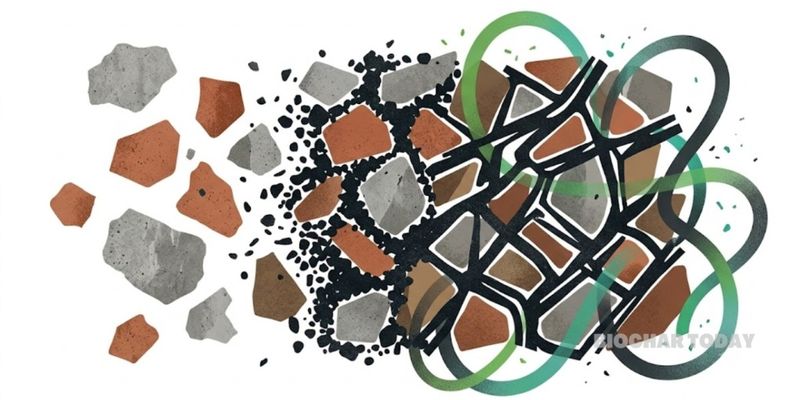
Researchers led by Weizhuo Zhang found that alkali-modified biochar in construction waste aggregates boosts carbon dioxide uptake and increases compressive strength by up to 851% through enhanced carbonation.
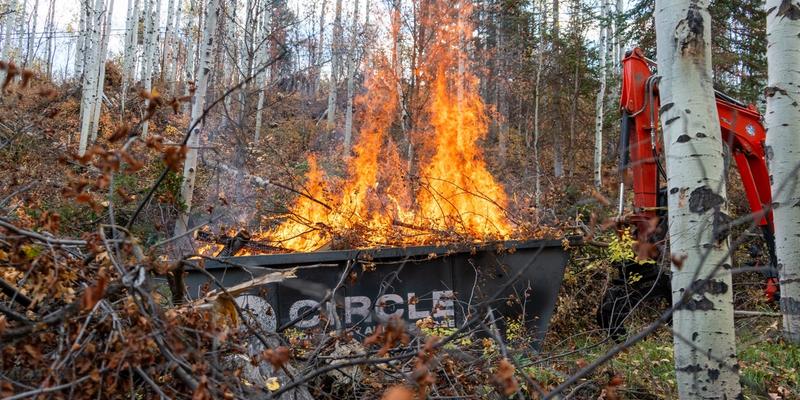
Park City is piloting biochar production in Thaynes Canyon to reduce wildfire risks and improve soil health. The project covers 200 acres and aims to enhance water retention.
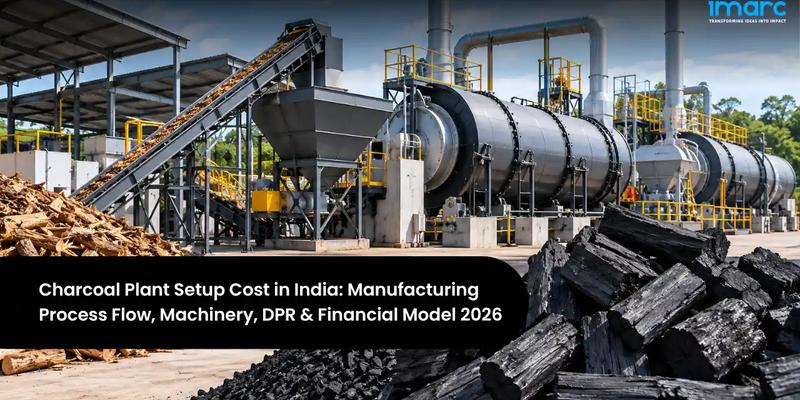
A new biochar manufacturing plant is being established in India, utilizing abundant local resources like coconut shells and agricultural residues.
Researchers at Henan University used CatBoost machine learning models to predict cadmium adsorption on biochar with over 94% accuracy.
NorSAF and Nova Pangaea Technologies are collaborating to create a supply chain converting waste biomass into sustainable aviation fuel, with biochar as a carbon-negative byproduct.

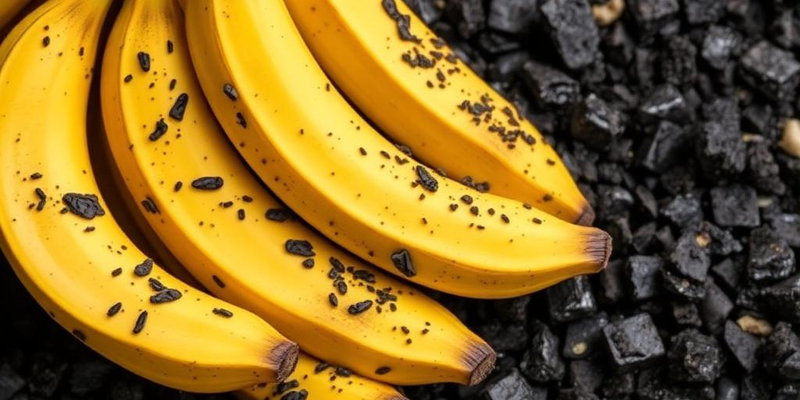
Researchers in Qatar discovered that non-activated biochar from banana peels increased biocrude yield from sewage sludge to 37.88%, thanks to its high potassium content.
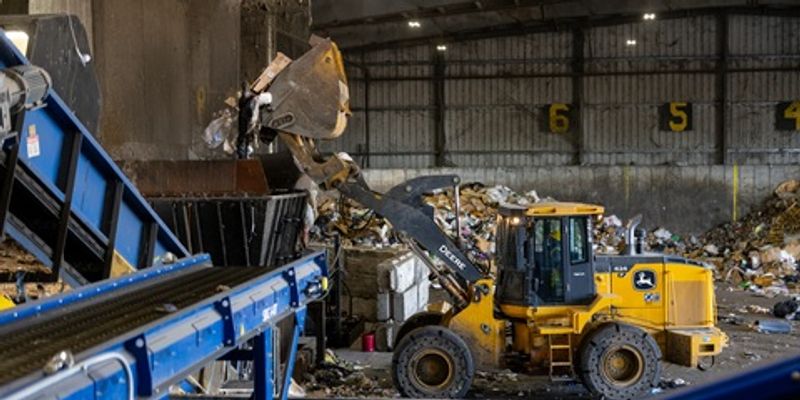
AMP has secured $70 million in financing led by Galvanize to expand its AI-powered waste processing in Portsmouth, Virginia. The facility will process over 500,000 tons of waste annually.
Cotierra raised $3 million to expand its decentralized biochar systems for tropical agriculture. The funding, led by Carbon Removal Partners and PINC, will support commercial scaling.
Researchers tested concrete mixes with bamboo biochar replacing cement at up to 1.5% and zeolite replacing fine aggregate at up to 50%.
The University of Florida has chosen Myno Carbon to convert sargassum seaweed into biochar, aiming to address coastal environmental issues.
Researchers highlight biochar's potential for carbon sequestration by converting biomass into stable carbon storage. Biochar can be produced globally and offers additional agricultural benefits when added to soil.
Exomad Green and Carbonfuture will supply 1.1 million tonnes of biochar carbon removal by 2035, tackling Bolivia's supply issues with certified pyrolysis and comprehensive digital tracking.
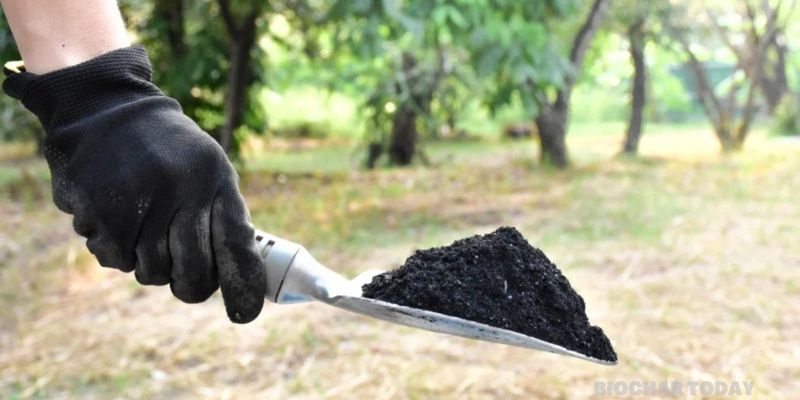
The Advanced Carbons Council calls for a U.S. carbon materials innovation platform focused on standards, testing and buyer qualification. The paper links engineered-carbon supply chains to manufacturing, energy, defense and AI infrastructure. Serves as a model for governments world-wide.
BIG has obtained $1.5 million in pre-seed funding to expand biochar carbon removal initiatives throughout Africa.
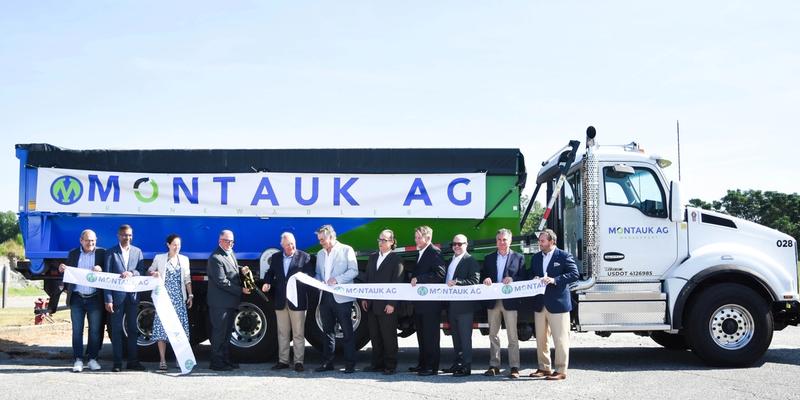
Montauk Renewables has opened a $200 million facility in Sampson County, North Carolina, turning swine waste into renewable energy and biochar.
Mepco Schlenk Engineering College researchers developed a concrete mix with zeolite and bamboo biochar, increasing compressive strength by 7.48% and absorbing 1.2 grams of CO2 daily.

Green Carbon and ATOA Carbon plan to build biochar facilities in India, each processing 50 tons of biomass daily and generating carbon credits.
Carbon Hill's upgraded biochar plant in Wales now produces 2.5–3.0 tonnes daily, enhancing carbon sequestration efforts.
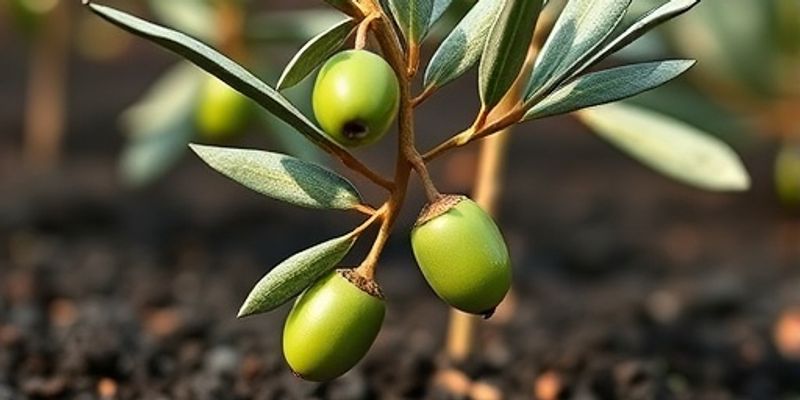
Researchers at the University of Castilla-La Mancha used zinc chloride to activate biochar from olive stones, creating a catalyst that achieved 20% CO2 conversion to methane.
Char Technologies is launching its first commercial-scale pyrolysis plant in Thorold, Ontario, this month. The facility will produce biocarbon and renewable natural gas from woody biomass.
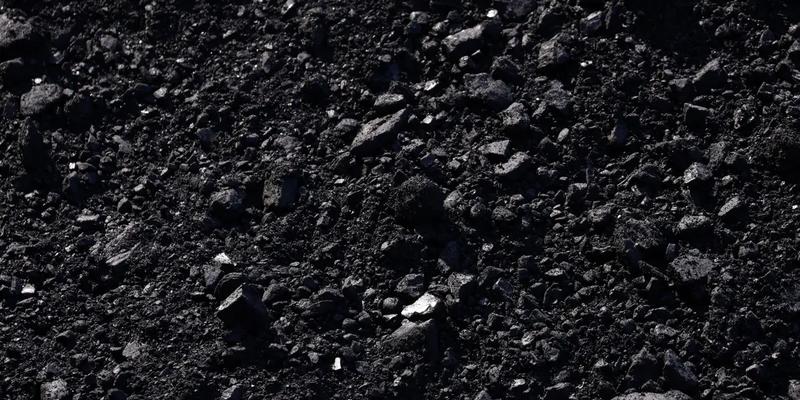
Nova Pangaea Technologies finished testing its biomass process, handling up to three tonnes of softwood residues daily. The company plans to establish its first commercial plant.
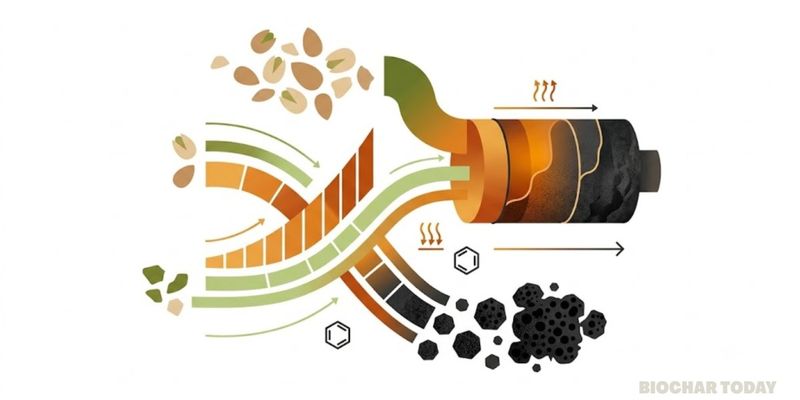
Researchers achieved biochar yields of up to 41.3% from almond shells using fixed-bed pyrolysis at temperatures between 400 and 500 degrees Celsius.
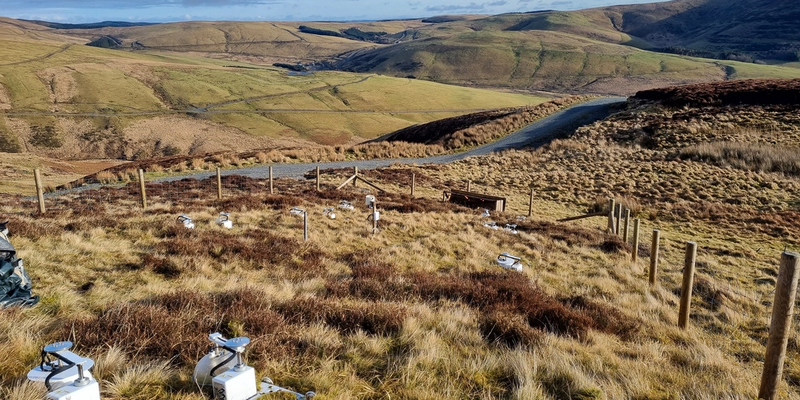
The CO₂RE Greenhouse Gas Removal Hub is developing a biochar demonstrator to enhance soil health and increase nutrient availability in acidic soils.
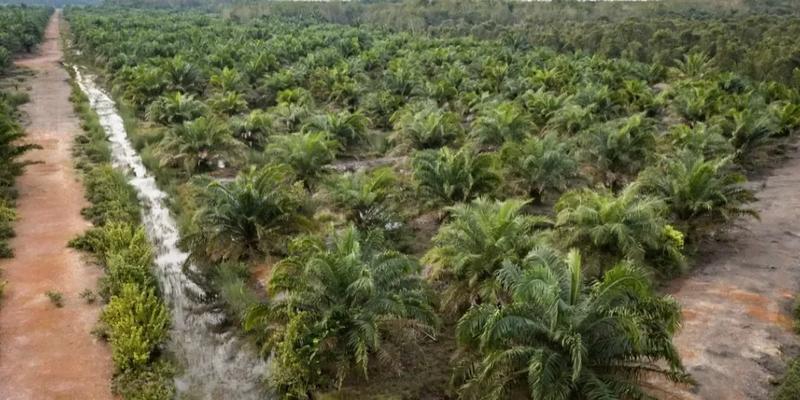
Researchers and industry leaders in Jakarta urge converting Palm Oil Mill Effluent into biogas. Indonesia's vast effluent pool remains largely untapped due to a lack of binding regulations.
Researchers at Nankai University have developed Sar-KOH, a Sargassum-derived biochar with a CO2 adsorption capacity of 120.5 mg/g, using potassium hydroxide treatment before pyrolysis.
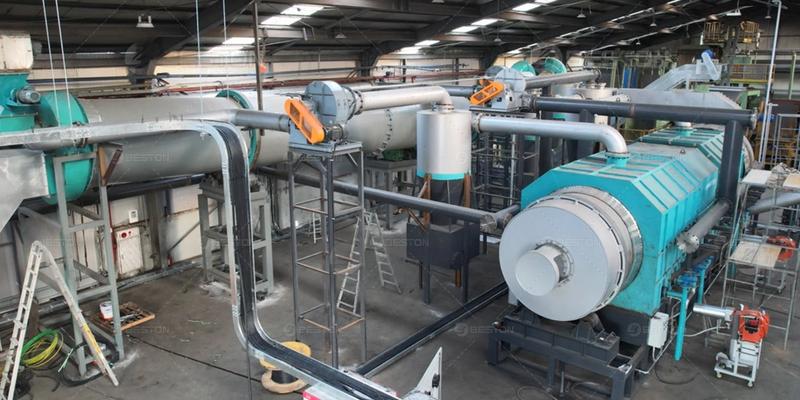
Biochar production equipment transforms organic waste into biochar, enabling waste management facilities to earn carbon credits.
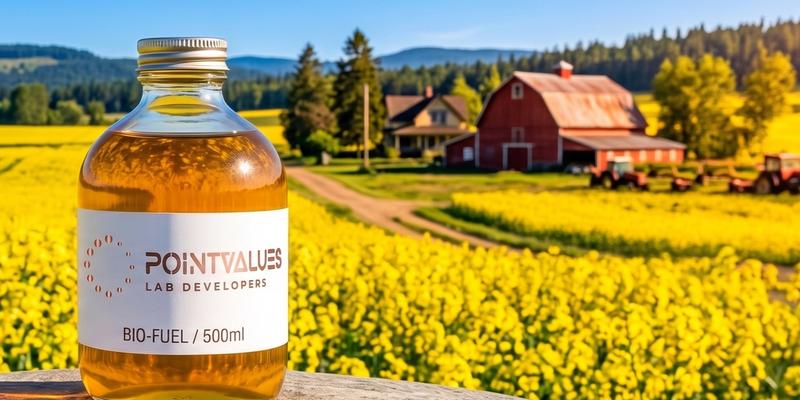
POINTVALUES, a BC Tech finalist, is transforming mustard waste into biochar and bio-oil, enhancing carbon sequestration and soil remediation capabilities.
The North Carolina Department of Environmental Quality awarded $1 million for mobile biochar equipment to convert Hurricane Helene debris into a soil amendment for flood-damaged farmland in Haywood County.
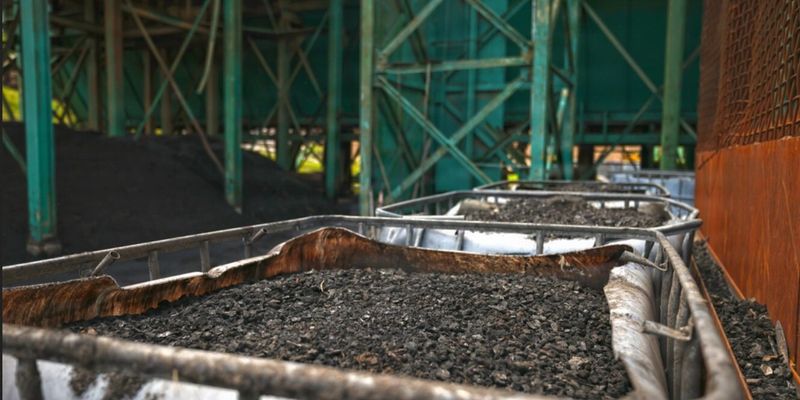
The federal government is providing $7 million to the Capital Regional District for a biosolids project on Vancouver Island, transforming wastewater treatment leftovers into biochar.
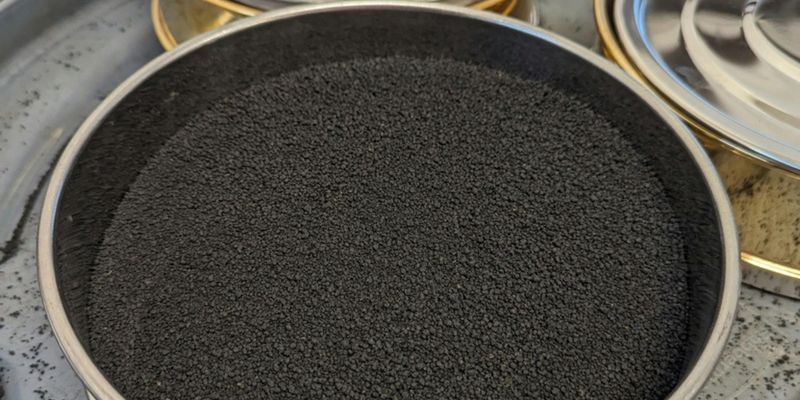
Researchers at Yunnan Minzu University developed a biochar catalyst from spent coffee grounds that converts over 99% of hydrogen sulfide into elemental sulfur, offering a sustainable waste treatment solution.

A new walkway in Nairobi's Upper Hill uses carbon-capturing concrete with biochar to test carbon-negative construction methods.
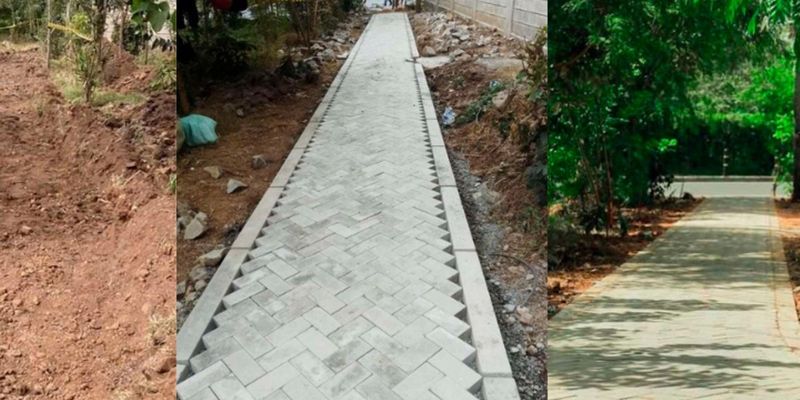
The European Commission released new certification rules for EU-wide permanent carbon removals, addressing DACCS, BioCCS, and biochar.
A new Biochar Research and Training Facility with a 1.5-ton daily processing capacity opened at Y.S. Parmar University in Himachal Pradesh to address forest fire hazards.
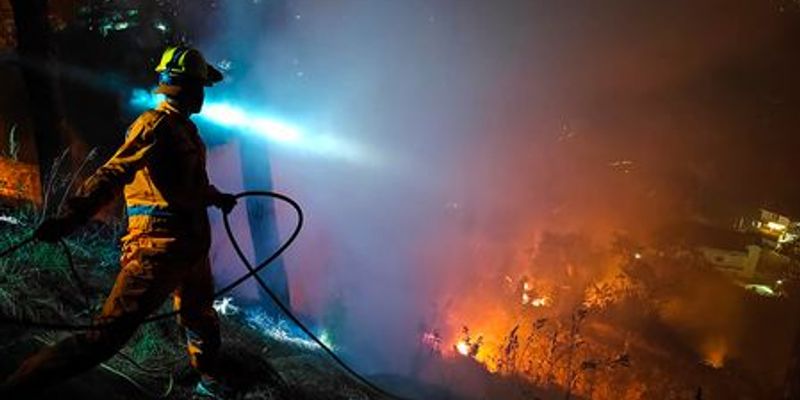
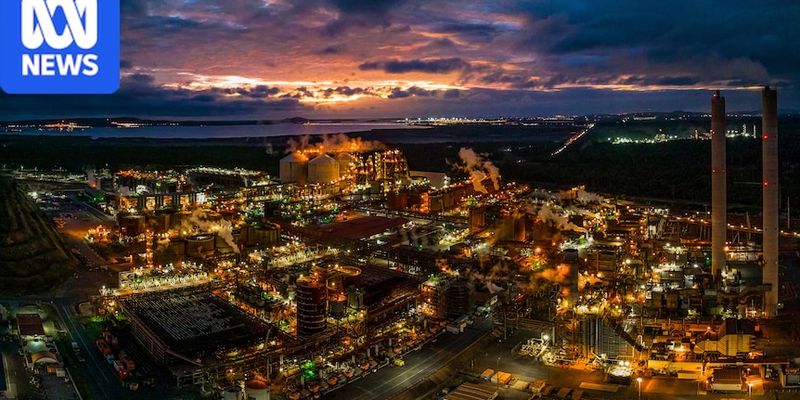
An Australian company plans a $30 million biochar facility in central Queensland, with Rio Tinto committing to purchase the biochar to potentially reduce coal use in its operations.
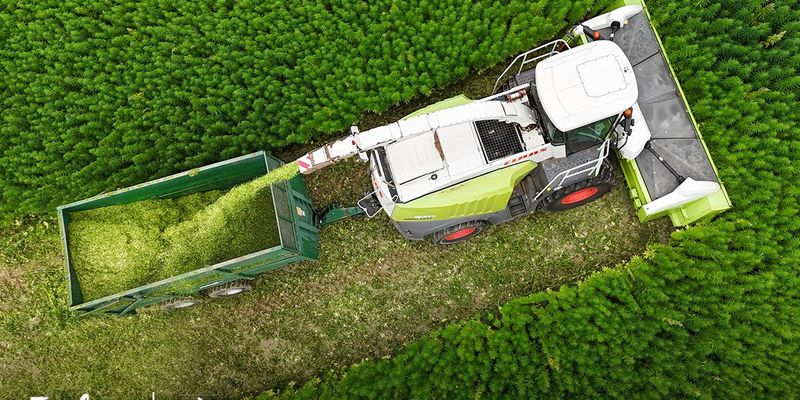
The EU's proposed carbon market update could allow hemp-based carbon storage technologies to qualify for trading in the Emissions Trading System starting in 2030.
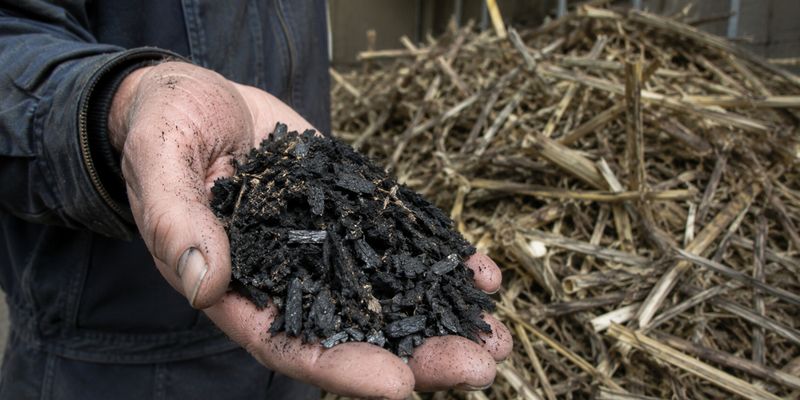
Biochar from carbonization plants is now recognized as a valuable engineered carbon sink, offering new revenue opportunities beyond its traditional use as a soil amendment.
A team from UAS-B is training 100 farmers across Karnataka to create biochar from crop residue using an affordable, portable drum method.
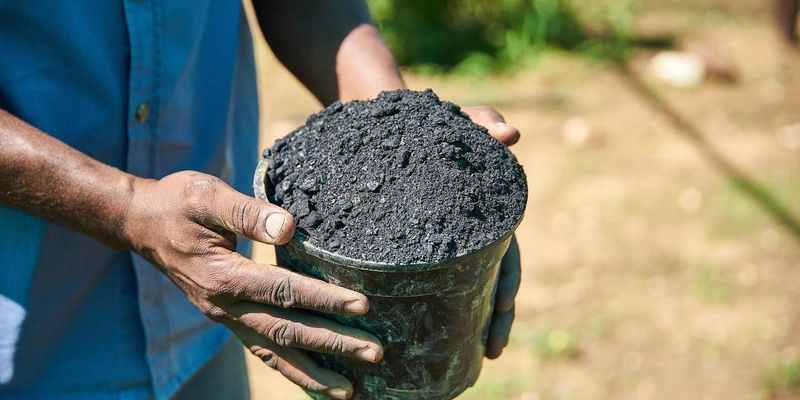
The EU plans a €50 billion Emissions Trading System market for carbon removal, initially excluding lower-tech options like biochar. Future reviews may consider these technologies.

Researchers at the World Resources Institute report that current global CO₂ removal capacity is insufficient to meet the 2030 target of one billion tonnes, with technologies like Direct Air Capture and biochar facing high costs and scalability challenges. This shortfall impacts the advanced carbon materials sector, as these technologies are crucial for achieving net-negative emissions and supporting the sustainable use of biochar and other carbon-based solutions.
The Government of Québec has announced its Plan de gestion intégrée des ressources énergétiques (PGIRE), committing $87 billion over 25 years to boost renewable energy, including forest bioenergy. This investment could significantly advance the production of renewable natural gas and biocarbon, both critical for decarbonizing industries reliant on carbon-based fuels.
Converting accumulated forest biomass into biochar is being put forward as a wildfire prevention measure, tackling the untreated combustible material that satellite monitoring shows is driving record burn areas.

Researchers at the Institute of Environment under the Hefei Comprehensive National Science Center have developed a technology for large-scale biochar production from agricultural and forestry biomass, capable of producing over 50,000 tonnes annually. This advancement in biochar technology supports environmental sustainability by transforming agricultural waste into a high-value carbon-rich material, with applications in soil enhancement, energy storage, and more.
Verde Resources, through its subsidiary Verde Renewables, has signed a 10-year Master Commercialization and Collaboration Agreement with Ergon Asphalt & Emulsions to supply engineered biochar for road paving and manage associated carbon removal credits. This partnership positions Verde as a key supplier in the asphalt industry, leveraging biochar to create sustainable infrastructure solutions and potentially generating additional revenue through carbon credits.

Verde Resources and Ergon Asphalt & Emulsions have signed a 10-year agreement to advance the use of engineered biochar in cold paving applications, moving their collaboration into a commercial phase. This development is significant for the advanced carbon materials sector as it tests biochar's practical performance in real-world infrastructure projects, potentially paving the way for wider adoption of carbon-storing materials in road maintenance and construction.
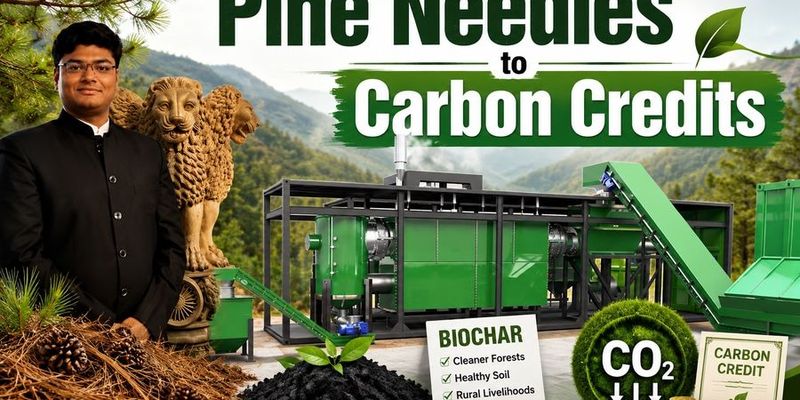
The Government of Himachal Pradesh, in collaboration with Dr Y.S. Parmar University of Horticulture and Forestry and ProClime Services Private Limited, has launched India's first indigenous biochar project in Hamirpur district, aiming to convert forest biomass into biochar to reduce fire risks and generate carbon credits. This initiative is significant for the advanced carbon materials sector as it transforms waste biomass into biochar, a stable carbon-rich material, thereby contributing to carbon sequestration and offering a sustainable model for forest management and rural livelihoods.
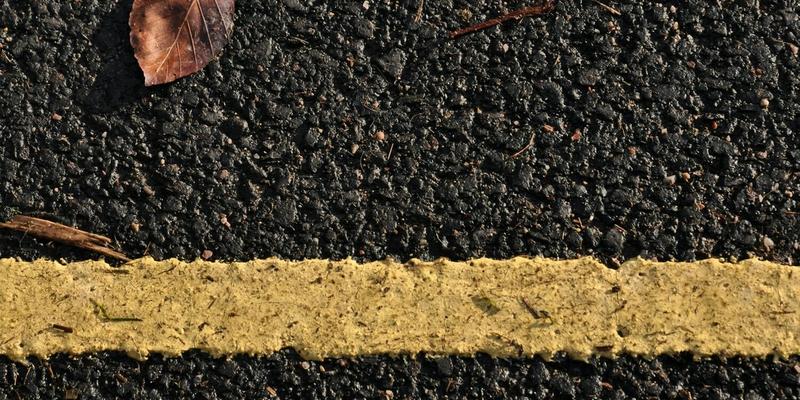
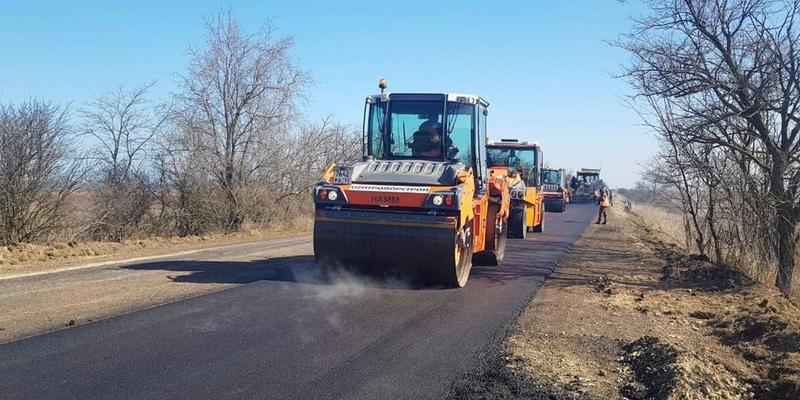
Barcelona City Hall, in collaboration with the BIT Habitat foundation and BIMSA, is trialling asphalt mixed with biochar from olive pits and pine biomass, starting in September with monitoring through 2027. This initiative aims to reduce CO2 emissions by up to 76% and store carbon in the road itself, potentially transforming road infrastructure into a long-term carbon sink using biochar.
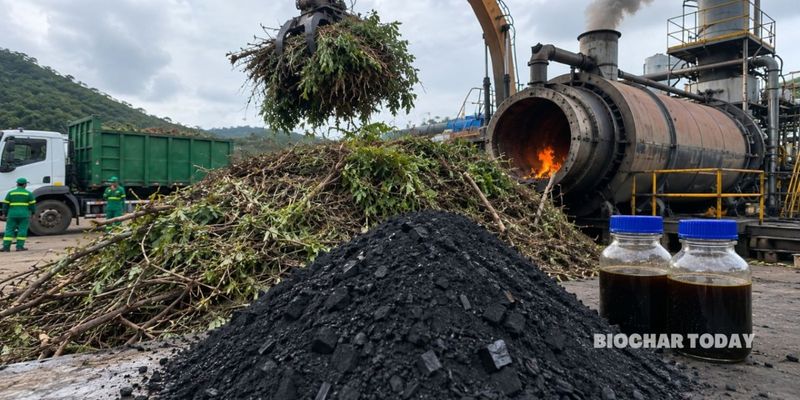
The International Virtual Institute of Global Changes and COMLURB have converted approximately one ton of urban tree trimmings in Rio de Janeiro into 300 kilograms of biochar and pyrolytic oil using pyrolysis. This initiative transforms municipal green waste into valuable resources for soil improvement and energy research, highlighting a sustainable approach to waste management in the carbon materials sector.
Rainbow has updated its BioCCS methodology to align with the EU CRCF framework, including biochar as an eligible CO2 capture module. This alignment could enhance the adoption of biochar in carbon capture and storage strategies within the EU.
Researchers at the International Virtual Institute of Global Changes, COPPE/UFRJ, in partnership with COMLURB, have converted one ton of urban pruning waste in Rio de Janeiro into approximately 300 kilos of biochar and pyrolytic oil. This initiative demonstrates the potential of using urban plant waste as a raw material for producing carbon-rich biochar, which can be used as a soil conditioner and for carbon storage, contributing to sustainable waste management and decarbonization efforts.
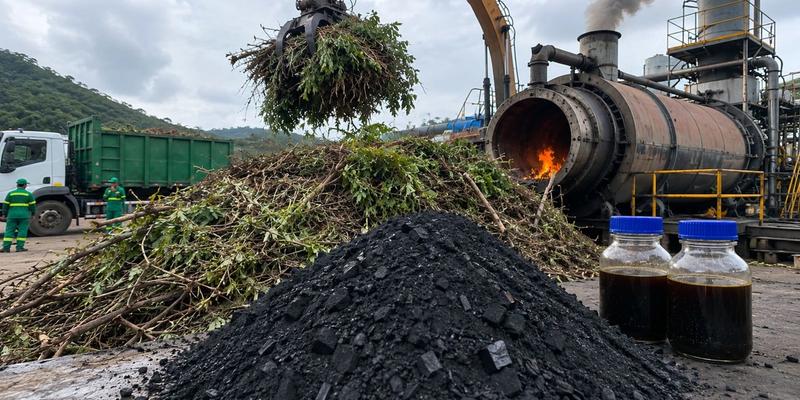
Chief Minister Sukhvinder Singh Sukhu announced that biochar plants under construction in Hamirpur, Himachal Pradesh, will contribute to earning carbon credits and creating employment. This development is significant for the biochar sector as it highlights the potential of biochar to support sustainable economic growth and carbon management.
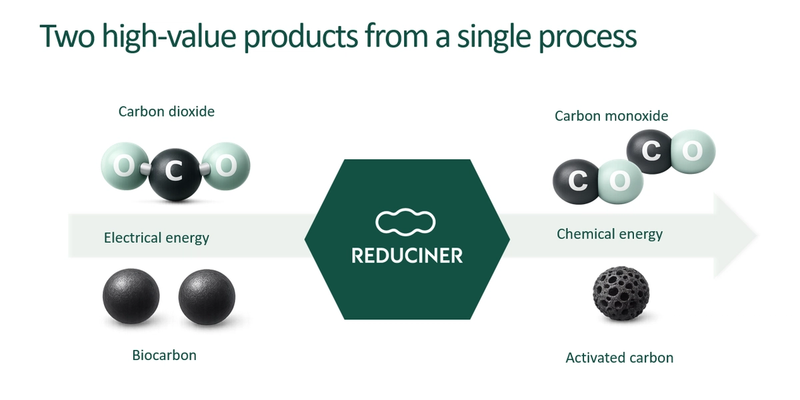
Researchers have developed an electrified process to convert CO2 and biochar into carbon monoxide and activated carbon. This advancement could enhance the production of activated carbon, a material crucial for water treatment, metals recovery, and air purification.
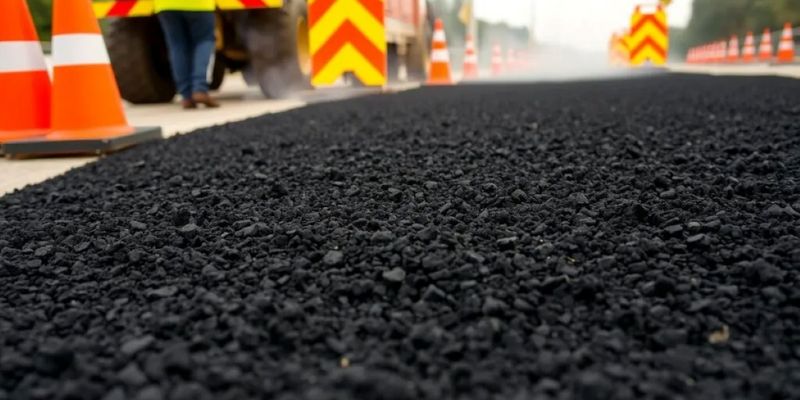
AMSA, ELSAN, and the Universitat Politècnica de Catalunya developed an asphalt mixture incorporating biochar derived from olive pits and pine residues via pyrolysis, with lab tests showing up to 75% emissions reduction in the treated pavement layer. The development expands biochar applications into road construction, positioning agricultural and forestry waste as a carbon-sequestering input for infrastructure materials.
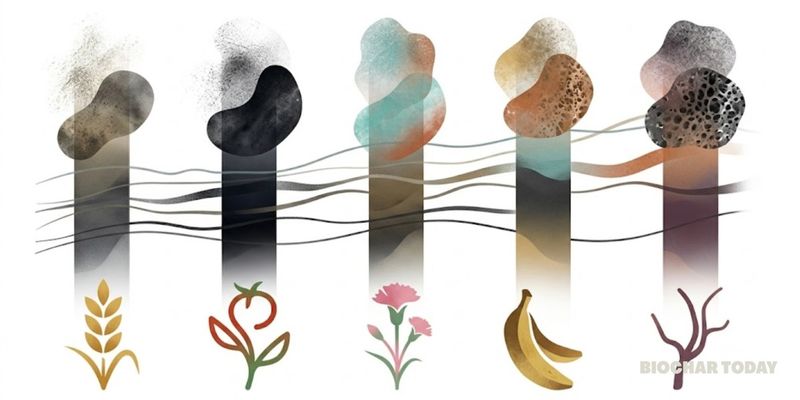
Yilmaz et al. tested pyrolysis conditions across 45 experiments using five agricultural waste streams—wheat straw, tomato waste, carnation stalks, banana residues, and vineyard prunings—finding that higher temperatures reduce yield but increase stable fixed carbon content, with feedstock type and peak temperature being the dominant variables. For the biochar sector, the results provide feedstock-specific processing parameters that directly inform production decisions where carbon stability and mineral retention are quality targets.
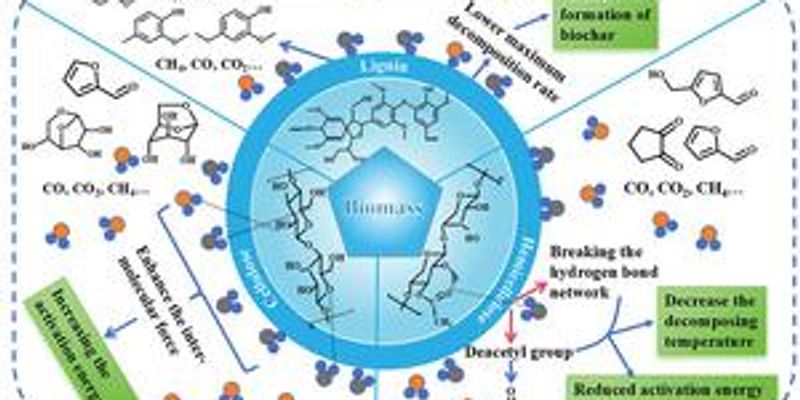
A study published in *Biochar* found that free and bound water in plant biomass reduce pyrolysis reaction intensity and increase biochar yield, with bound water lowering activation energy for hemicellulose decomposition while raising it for cellulose, and a 30% moisture content identified as a practical operating point. The findings give biochar producers a molecular-level basis for managing feedstock moisture to improve yield and char stability rather than treating water solely as a processing inefficiency.
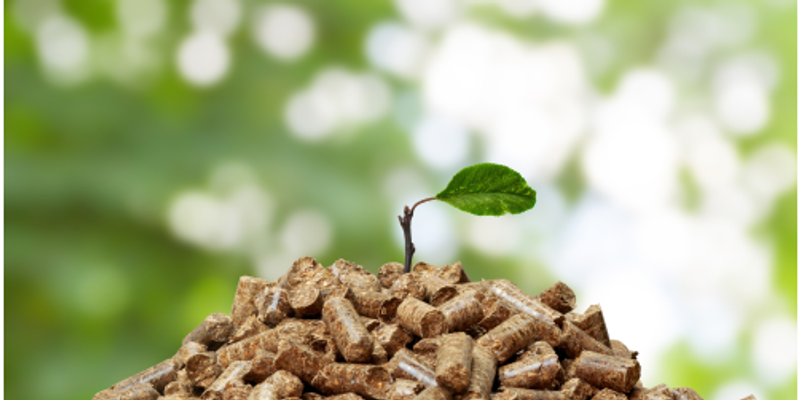
Holcim conducted biochar concrete pilot projects across Europe in 2025, including test pours with Canary Wharf Group using biochar from forestry residues and coffee grounds, producing their first net-zero concrete mix. The trials signal a shift for the biochar sector from experimental additive to commercial-scale construction material, with Holcim describing it as a high-performance emissions-reduction input rather than a niche product.

A study published in *Biochar* (2026) found that both free and bound water in lignocellulosic biomass slow pyrolysis reaction intensity and increase biochar yield, with ~30% moisture content identified as a practical optimum balancing yield and energy demand. For the biochar sector, the findings provide a molecular-level basis for using feedstock moisture as a controllable process variable to tailor biochar yield and properties without pre-drying.
The EU-funded HOOP project helped eight European cities and regions mobilise EUR 124 million to convert urban biowaste into circular bioeconomy outputs including biochar, biogas, bioplastics, and agricultural nutrients. Biochar production via pyrolysis emerged as a replicable pathway across multiple territories, with Kuopio (Finland) establishing an operational pilot plant and Münster (Germany) confirming technical feasibility, signaling growing municipal-scale demand for pyrolysis infrastructure relevant to the biochar sector.
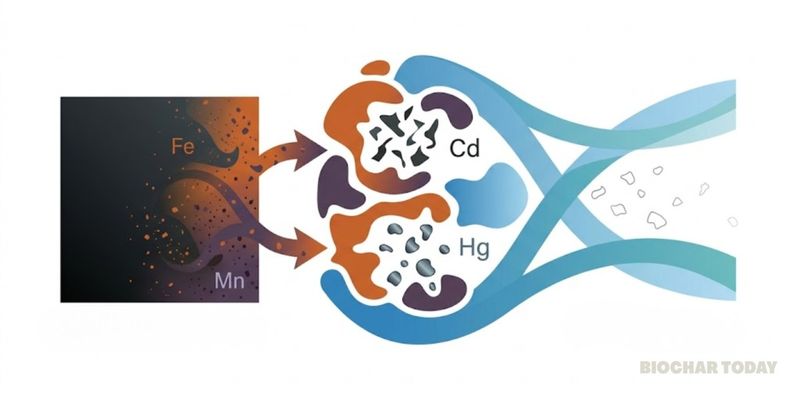
Tong Sun and colleagues published a study in *Biochar* (2026) showing that iron-manganese oxide modified biochar combined with either continuous flooding or aerobic irrigation reduces grain cadmium to 0.05 mg/kg and total mercury to 0.02 mg/kg in co-contaminated rice paddies. The findings demonstrate a functional agricultural application for engineered biochar, where surface chemistry modifications directly determine remediation performance across competing heavy-metal pathways in soil.
Alastair Collier, chief R&D officer of A Healthier Earth, argues in this op-ed that the carbon removal sector's primary obstacle is no longer technological but structural, citing fragmented credit markets, misaligned procurement timelines, and the absence of durable policy frameworks as the core barriers to scale. For the biochar and broader CDR industry, the piece highlights that integrating high-integrity removals into mechanisms like the UK and EU ETS could provide the long-term demand signals and price certainty needed to move projects from pilots to industrial-scale infrastructure.